

Trade and Supply Chains

The Optimized Life - Part 4: The Doctrine of Necessary Margin
·904 words·5 mins
Examining frameworks and movements that reintroduce margin, durability, and regeneration into systems design, from biomimicry to circular economics to epistemic humility.

The Optimized Life - Part 3: The Frictionless World and Its Hidden Costs
·830 words·4 mins
Exploring how the pursuit of frictionless efficiency in logistics, labor, and governance creates societies that are optimized for performance but fragile under stress.

The Optimized Life - Part 2: The Slot Machine in Your Pocket
·775 words·4 mins
How social media platforms and digital services use sophisticated algorithmic optimization to maximize engagement and extract human attention as a commodity.

The Optimized Life: When Efficiency Becomes Extraction
·316 words·2 mins
A critical exploration of how optimization—from product design to platforms to labor—has shifted from serving human flourishing to extracting it, and how a doctrine of necessary margin offers a way forward.

The Optimized Life - Part 1: The Last Bricks of the Cathedral
·946 words·5 mins
Examining how engineering philosophy shifted from building products to last generations to designing for rapid replacement and profit maximization.
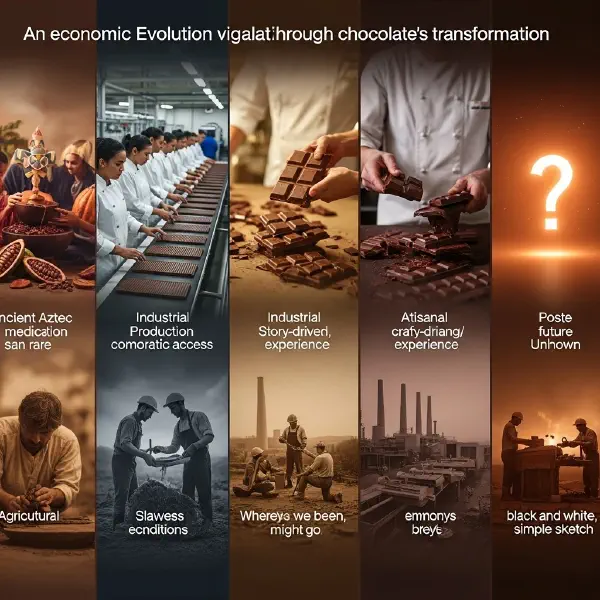
The Hidden Economics of Food - Part 17: Can Wealthy Nations Survive Without Factories?
·1263 words·6 mins
Chocolate went from bitter medicine to mass commodity to artisanal luxury. Its journey maps the economy's past and hints at its future—where meaning matters more than material.
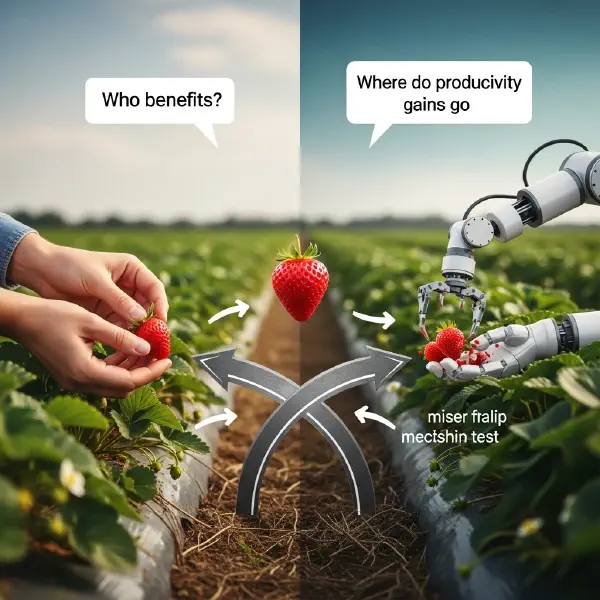
The Hidden Economics of Food - Part 16: The Robot in the Field
·1242 words·6 mins
Strawberries are still picked by hand—automation hasn't replaced farmworkers. But other jobs have vanished. What determines whether technology helps or harms workers?
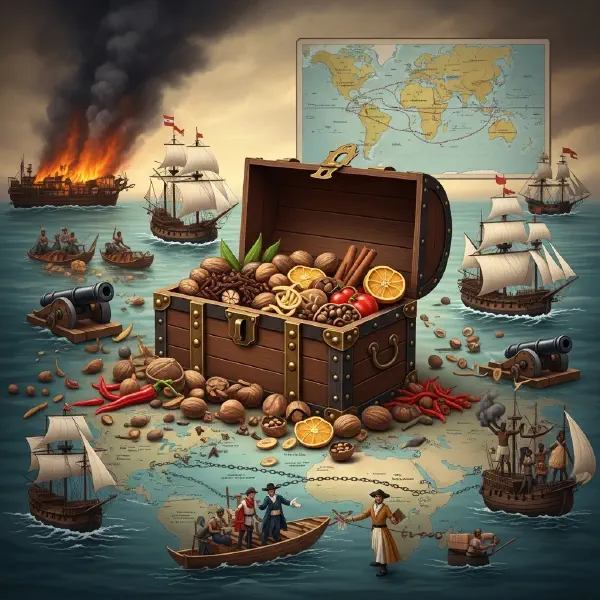
The Hidden Economics of Food - Part 15: The Taste of Empire
·1213 words·6 mins
Spices built empires and funded revolutions. The spice trade created the first global economy—through monopoly, violence, and state power. Modern trade pretends this history didn't happen.
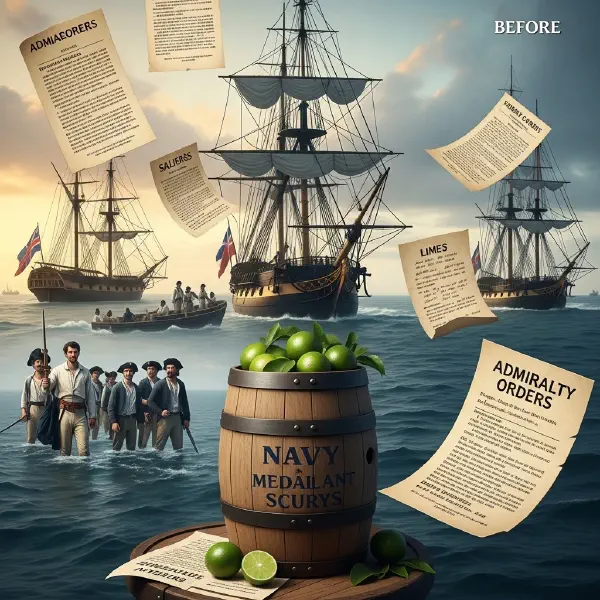
The Hidden Economics of Food - Part 14: The Vitamin Illusion
·1215 words·6 mins
Limes saved British sailors from scurvy—not through market forces, but through government mandate. The 'Limey' nickname reminds us that states create knowledge markets can't produce.