Technological History

The Engineering Journey - Part 4: The Spy's Toolkit: Breaking Down Products to Build a Better Future

Not all problems are solved equally. This post explores the fundamental difference between fixed analysis and open design, detailing the systematic strategies engineers use—from rigorous testing (robust design) to forensic disassembly (reverse engineering)—to master complexity.


The Arithmetic of Decarburization - Part 9: A Plan That Adds Up: The Arithmetic of Decarburization for Industrialized Economies

The Challenge Recapitulated # Over this series, we have examined Austria's energy system in detail. Let us summarize the key findings: Current state: Total primary energy: 1,381 PJ (~384 TWh) Fossil fuel share: 63% CO₂ emissions: ~70 Mt/year (energy-related) Current renewable electricity: ~70 TWh Target state: Fossil fuel share: 0% CO₂ emissions: Near zero Required clean electricity: ~166 TWh

The Arithmetic of Decarburization - Part 8: The Gigawatt Gambit: Managing Fluctuations, Storage, and the Electric Vehicle Fleet

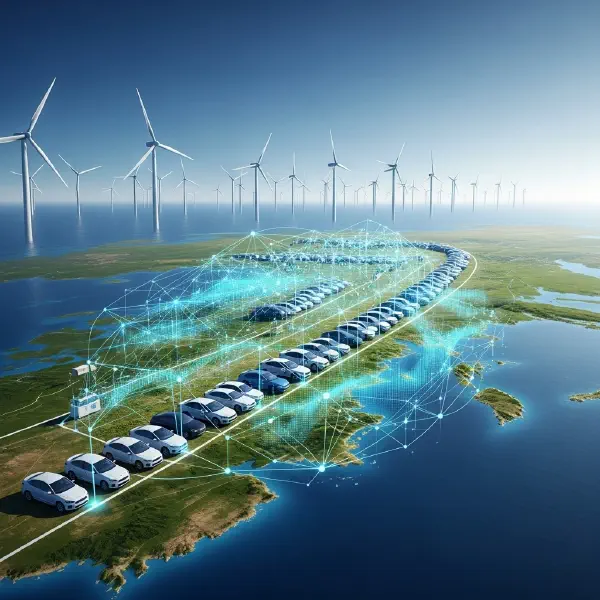
The Integration Challenge # Previous installments established that Austria could, in principle, generate 165 TWh of renewable electricity annually—enough for full decarbonization. But generating enough energy on average is not the same as having enough energy at every moment. The fundamental challenge of high-renewable systems is temporal mismatch: supply and demand rarely align perfectly, and the gap must be bridged by storage, demand flexibility, or interconnections.

The Arithmetic of Decarburization - Part 7: Beyond Fossil Fuels: The Calculus of Nuclear Fission, Fusion, and 'Clean' Coal

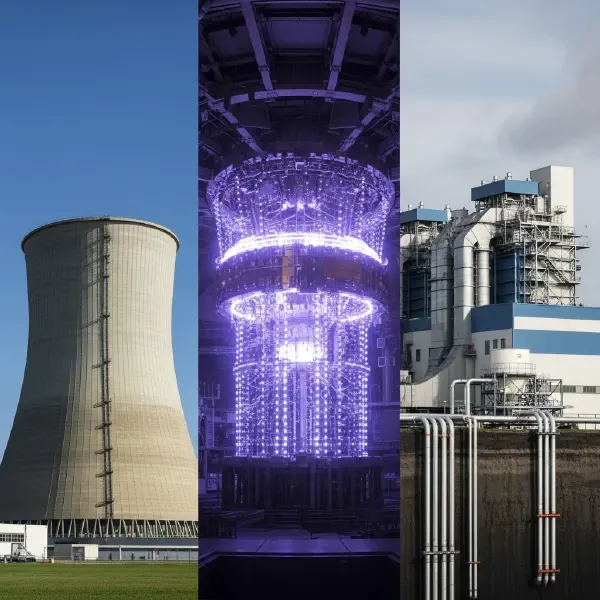
The Non-Renewable Options # So far, this series has focused on renewable energy: hydro, wind, and solar. But a complete assessment of decarbonization pathways must also consider non-renewable low-carbon sources: Nuclear fission: Mature technology, controversial politics Nuclear fusion: The eternal promise, now perhaps closer Carbon capture and storage (CCS): Making fossil fuels "clean" Hydrogen from fossil sources: Currently the dominant production method

The Arithmetic of Decarburization - Part 6: Sunshine Squared: Scaling Solar Power from Rooftops to Deserts

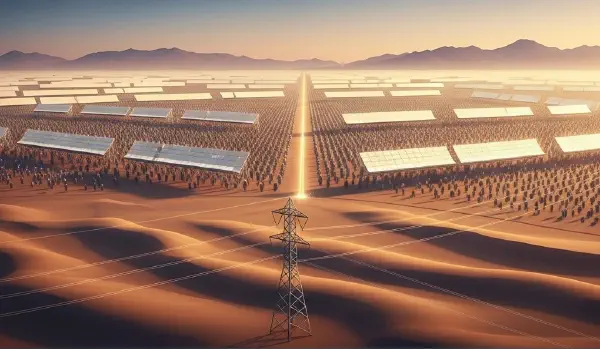
Solar PV: From Niche to Mainstream # Photovoltaic technology has undergone a remarkable transformation. Costs have fallen by over 90% since 2010, making solar the cheapest source of new electricity generation in most of the world. In Austria, solar PV represents the largest untapped renewable resource—estimated at 57 TWh/year RTP versus current generation of only 5 TWh/year. That means we are currently exploiting only 8.8% of our solar potential.

The Arithmetic of Decarburization - Part 5: The Physical Ceiling: Assessing the Limits of Local Renewable Resources

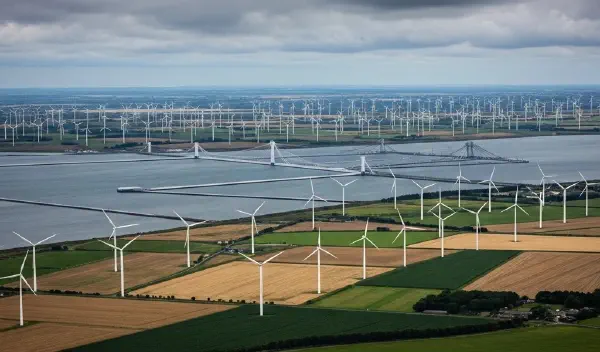
The Resource Question # We've established that decarbonizing Austria requires roughly 166 TWh of carbon-free electricity. But how much renewable energy can Austria actually produce within its borders? This question requires careful analysis. There are many ways to define "potential": Theoretical potential: How much energy is physically available (e.g., total solar radiation) Technical potential: What fraction can be captured with current technology Economic potential: What can be deployed cost-effectively Reduced Technical Potential (RTP): What can realistically be built given all constraints

The Arithmetic of Decarburization - Part 4: Winning the Heat War: Insulating Our Way to Sustainable Warmth

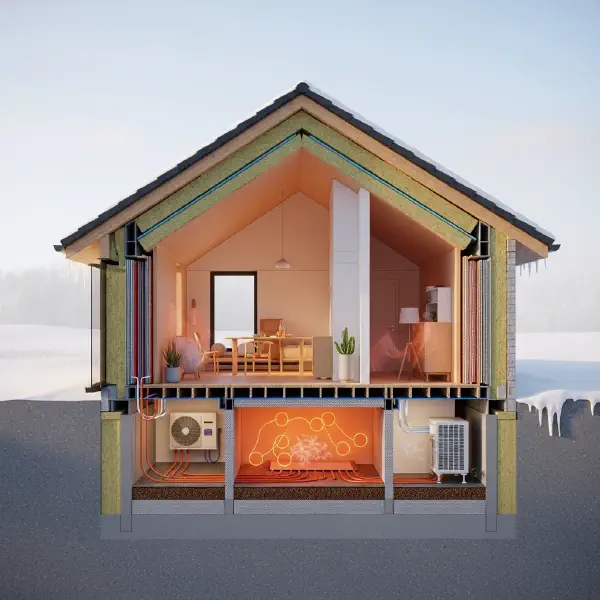
The Thermal Sector: A Hidden Giant # Heating and cooling buildings accounts for approximately 27.2% of final energy consumption in industrialized nations. In Austria, this amounts to roughly 300 PJ annually—most of it provided by natural gas, oil, and biomass. Unlike transport, where complete decarbonization requires entirely new vehicle technologies, the thermal sector can be addressed through a combination of demand reduction and efficiency improvement.