A three-part series examining civilization through the lens of physics, tracing how energy transitions power societal leaps and how accumulated waste precipitates systemic collapse.
Investigates the principles for a next-stage civilization capable of maintaining complexity through renewable gradients and closed-loop materials management.
Analyzes the Industrial Revolution as a thermodynamic discontinuity, examining the unprecedented energy flux it unleashed and the corresponding waste crisis it generated.
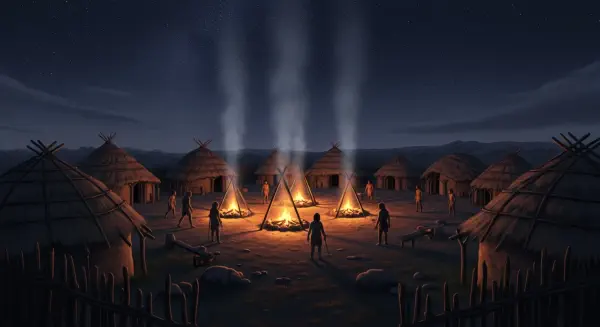
Explores humanity's first energy revolution—controlled fire—and how this thermodynamic breakthrough enabled cooking, tool-making, and the very foundation of social complexity.
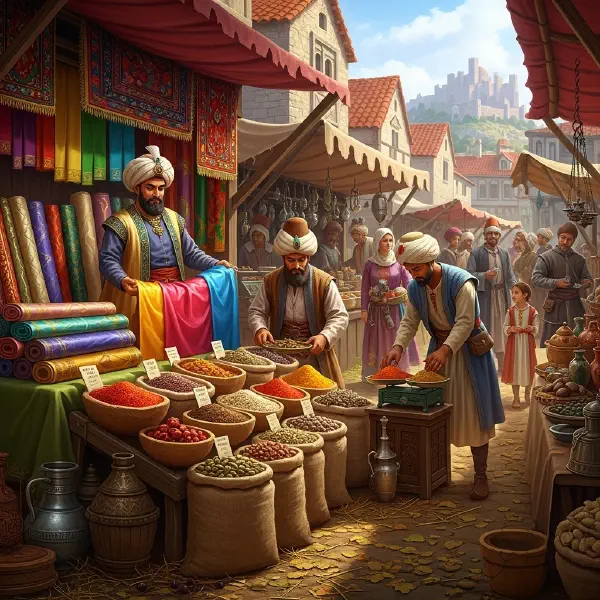
Analyzing how the East India Company systematically dismantled the Mughal Empire through economic extraction and administrative co-optation rather than military conquest.
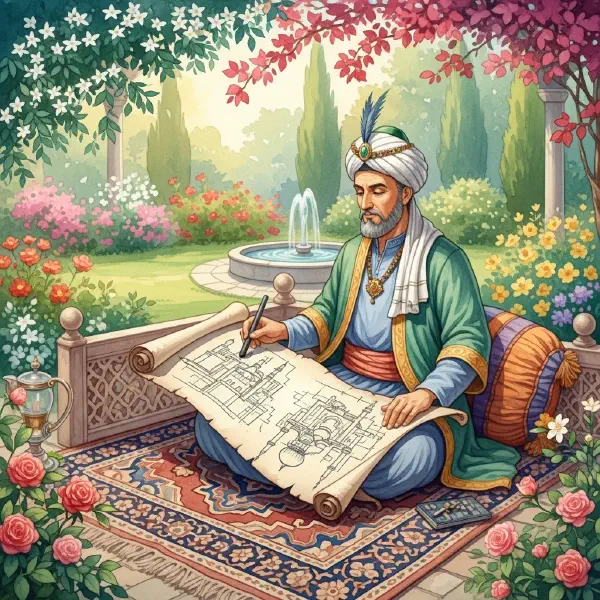
Examining the ideological conflict between Akbar's inclusive syncretism and Aurangzeb's orthodox rigidity, defining the apogee and beginning of the Mughal decline.