Examining how the formal end of empire left intact its underlying financial, legal, and cultural frameworks that continue to shape global inequalities today.
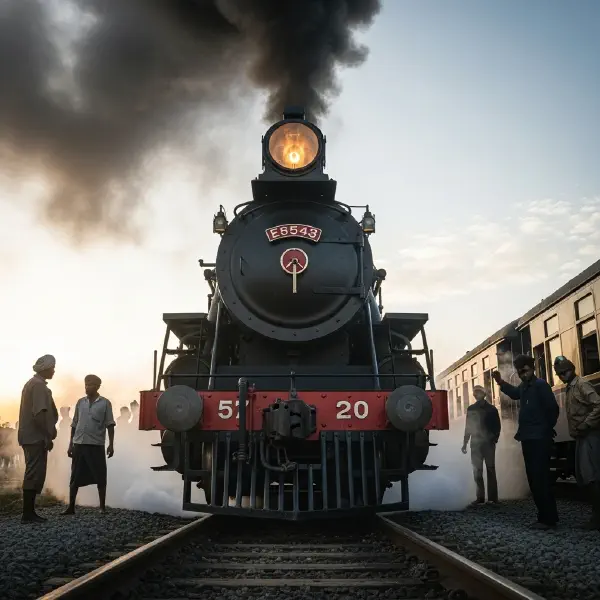
Analyzing how steam power, railways, and telegraphs transformed empire from coastal enclaves into continent-spanning systems of extraction and governance.
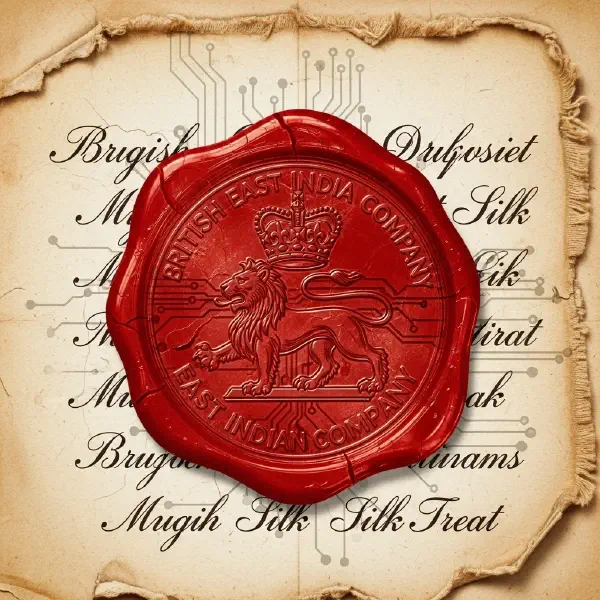
Investigating how the East India Company pioneered the corporate-state hybrid, enabling private profit-driven governance and extraction on an imperial scale.
Examining how the invention of credible public debt transformed war financing and enabled small nations to build world-spanning empires through securitized colonial wealth.
A critical analysis of how Europe's competitive fragmentation and imperial innovations created the modern global system of power, finance, and inequality.
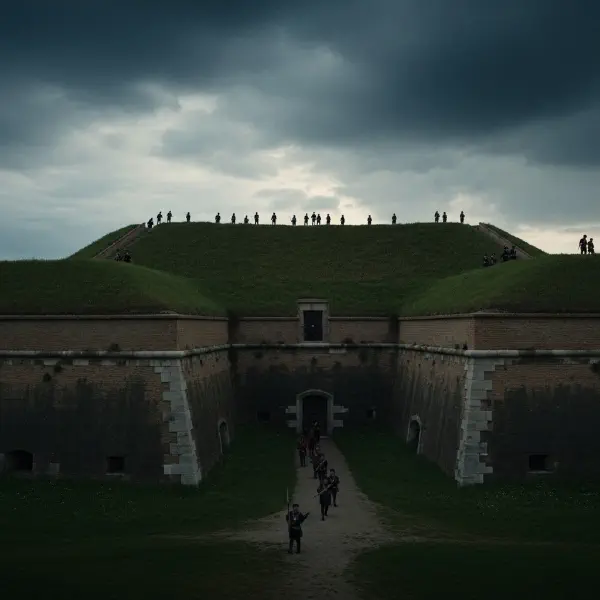
Exploring how Europe's division into rival states created a pressure cooker of innovation that drove the development of systems capable of global domination.
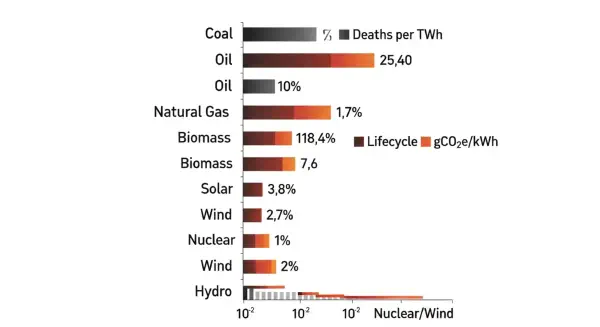
No energy source generates more fear per kilojoule produced or kills fewer people per terawatt-hour generated. The nuclear accounting problem is a problem of denominator confusion: the rare but vivid accidents receive the scrutiny that the continuous and ordinary deaths from air pollution do not. The Lifetime Risk-Adjusted Carbon Score compares every major electricity source on a common basis and the result inverts the conventional hierarchy of fear.