
Systems Thinking
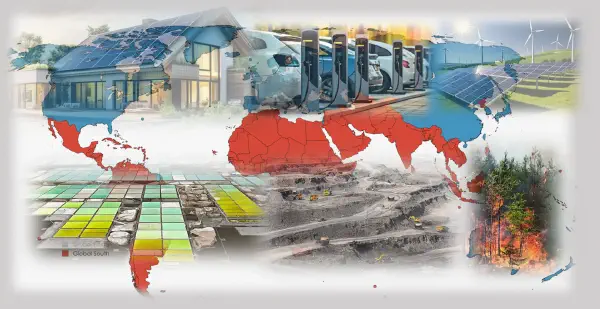
The Green Colonialism: How the Clean Energy Transition is Plundering the Global South
·3757 words·18 mins
The global shift toward a post-carbon economy is functionally a new phase of imperialism, where the ecological costs of renewable energy are externalized onto the Global South. This analysis examines the historical parallels between fossil fuel extraction and the emerging mineral economy, revealing how the 'green transition' reproduces colonial dependencies while exacerbating environmental destruction. We explore the devastating material demands of technologies like electric vehicles and batteries, the weaponization of lithium and rare earth minerals in geopolitical conflicts, and the systematic silencing of indigenous and marginalized communities whose lands are sacrificed for the sake of planetary salvation.
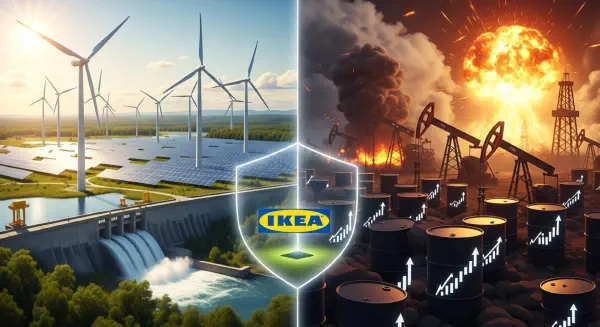
The Big Flat Bill: How IKEA Turned an Energy Crisis into a Competitive Moat
·2549 words·12 mins
IKEA's strategic investment in renewable energy has insulated it from global energy shocks, turning a potential crisis into a competitive advantage. This case study explores the timeline, economics, and strategic implications of IKEA's energy transition.
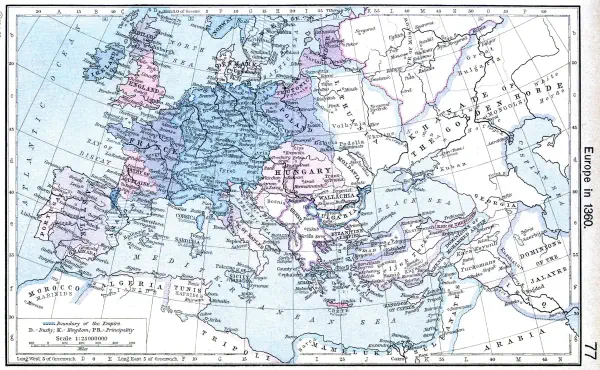
The Violence Tournament: How Europe Conquered the World
554 words
In 900 AD, western Europe was poorer, more violent, and more backward than China, India, or the Muslim Middle East. By 1914, Europeans controlled 84 percent of the world's land surface.
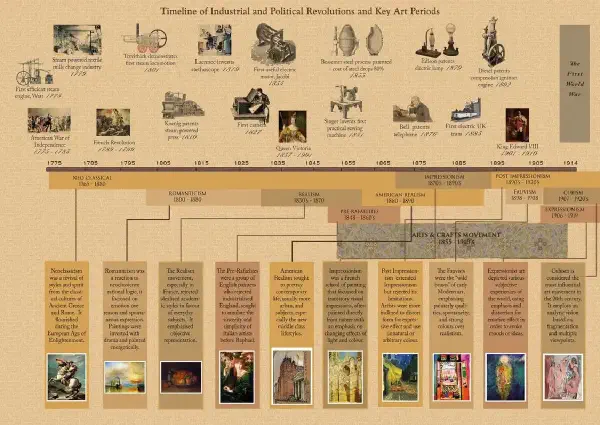
The Violence Tournament – Timeline of Key Events
·349 words·2 mins
Key events that shaped the trajectory of the violence tournament.
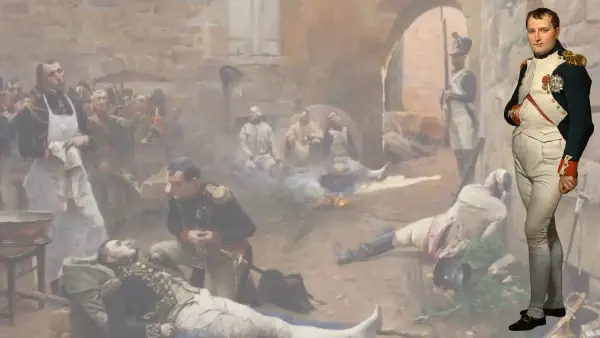
The Violence Tournament – Part 7: The Price of Winning
·1394 words·7 mins
The tournament that gave Europe global dominance also produced staggering costs.
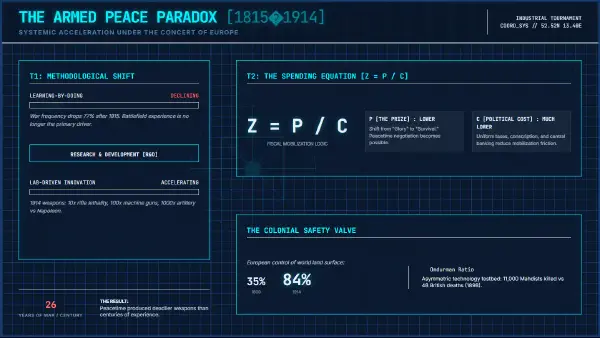
The Violence Tournament – Part 6: The Armed Peace Paradox
·1322 words·7 mins
Between 1815 and 1914, western Europeans spent only 26 years at war per century, down from 115 years in 1650-1815.
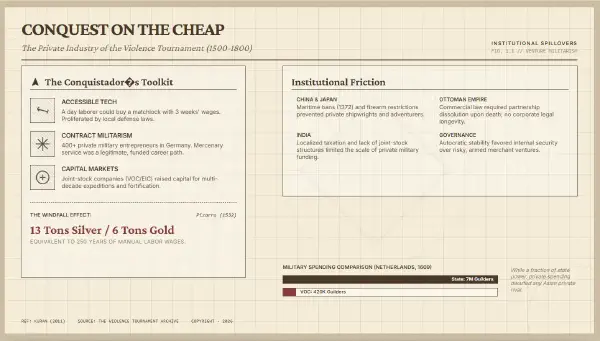
The Violence Tournament – Part 5: Conquest on the Cheap
·1414 words·7 mins
State-funded tournaments produced Europe's military lead, but private adventurers did most of the actual conquering. Cortés, Pizarro, da Gama, and the East India Company all operated with minimal government oversight.
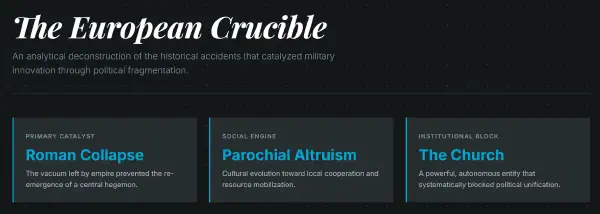
The Violence Tournament – Part 4: The Accidental Crucible
·1296 words·7 mins
Europe's political fragmentation and low-cost resource mobilisation were not products of geography or superior culture.
The Violence Tournament – Part 3: Where the Tournament Failed
·1268 words·6 mins
China, the Ottoman Empire, and eighteenth-century India all had frequent warfare and access to gunpowder weapons. None sustained military innovation at Europe's pace.