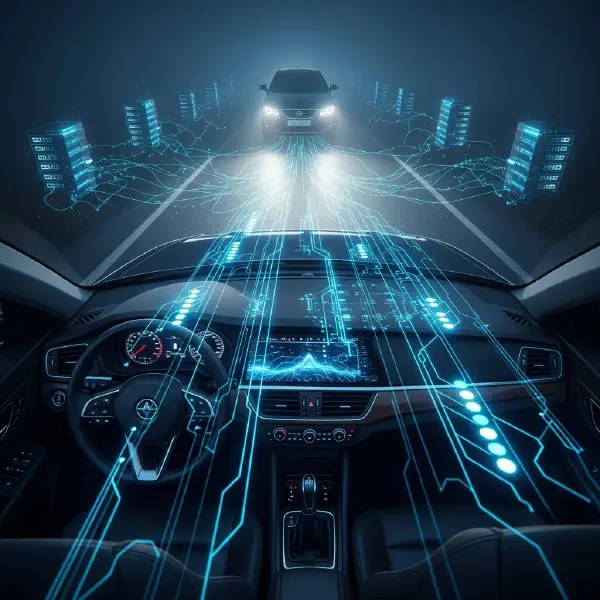
A comprehensive series exploring how modern cars have become data collection machines, the privacy implications, and strategies for reclaiming control over our digital driving experience.
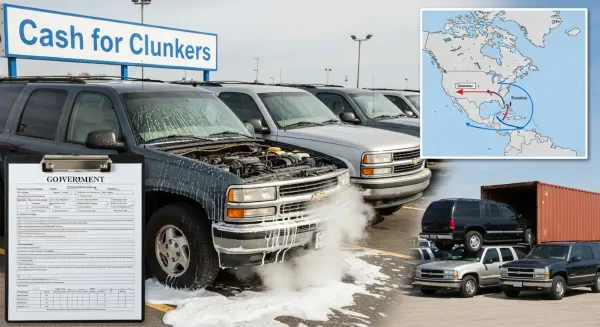
A four-part forensic series introducing the Scrappage Displacement Ratio to demonstrate that government vehicle scrappage programmes produce net global emission increases when the vehicles they retire are not destroyed but exported — displacing the remaining emissions and safety failures southward along established arbitrage trade routes.
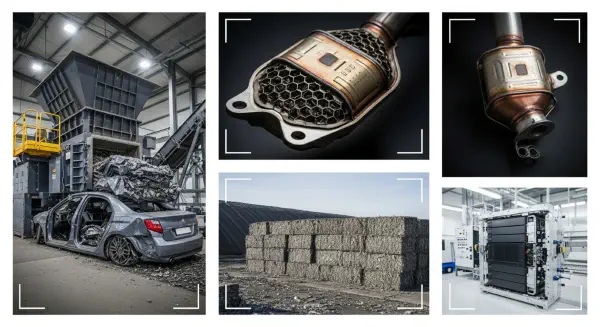
Analyses the economics of formal vehicle dismantling, catalytic converter theft as a value-signal for unpriced recycling asymmetries, and the shredder residue disposal costs that the vehicle lifecycle's last act accumulates.
Examines the second- and third-lifecycle repair economies that sustain old vehicles in destination markets, and traces the knowledge erasure that software-locked modern vehicles represent for the informal mechanics keeping them running.
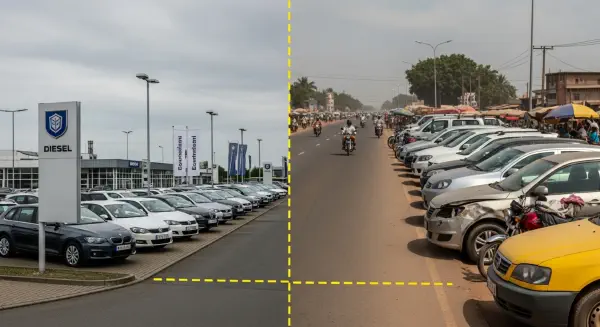
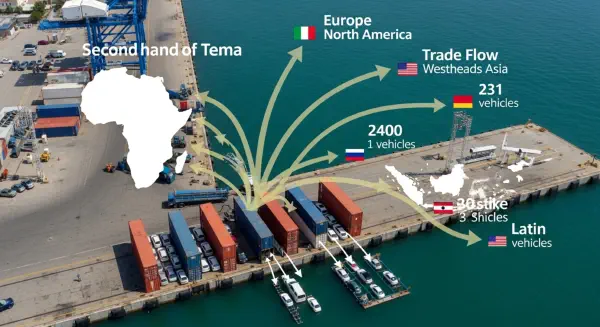
Maps the major vectors of the used vehicle export trade and documents the emissions, safety, and regulatory standards that vehicles bypass when they cross from high-income to low-income regulatory environments.
Introduces the Scrappage Displacement Ratio and applies it to the 2009 US Cash for Clunkers programme, showing that the domestic CO₂ savings were largely offset by import surges of equivalent vehicle classes into neighbouring markets.
A four-part forensic series introducing the Battery Break-Even Mileage metric and applying it to expose the grid-dependent, chemistry-dependent, and degradation-adjusted arithmetic that point-of-sale EV claims systematically omit.
Examines the institutional, industrial, and political economy reasons why BBM remains absent from every consumer-facing metric, subsidy framework, and legislative instrument — and what would change if it were required.