Power, Policy & Dependency Structures

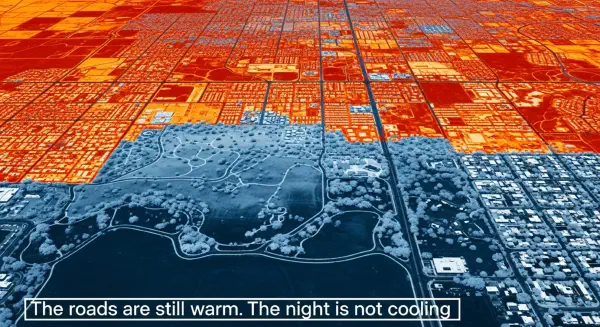
The Asphalt Ledger: Road Infrastructure, Hidden Subsidies, and the Induced Demand Trap

A three-part forensic series introducing the Road Subsidy Multiplier to quantify how every dollar of highway expansion generates more than one dollar in future public obligation — revealing the compound fiscal trap that standard infrastructure cost-benefit analysis is designed not to calculate.


The Asphalt Ledger – Part 2: The Induced Demand Machine — Why Every New Lane Builds the Case for the Next One

Documents the empirical relationship between lane-mile additions and vehicle-miles traveled, demonstrates how induced demand is systematically excluded from DOT cost-benefit models, and applies the RSM formula to documented highway expansion cases.

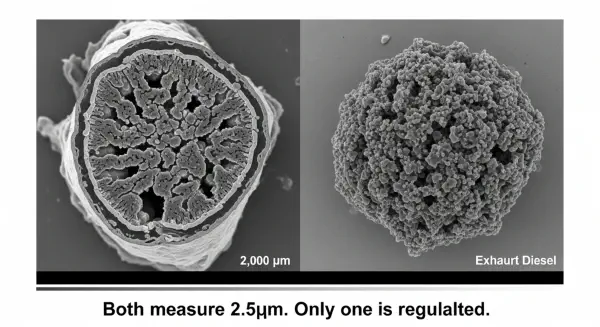
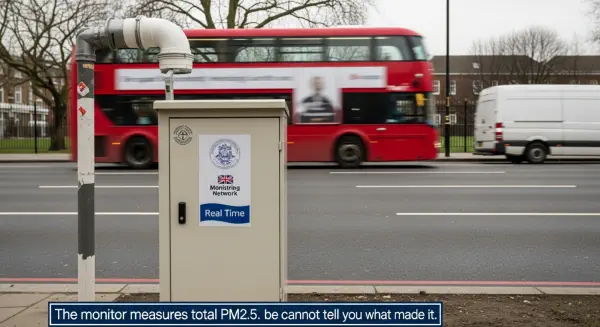
The Particulate Account

A four-part forensic series applying the Non-Exhaust Particulate Fraction (NEPF) metric to expose the tire, brake, and road abrasion emissions that dominate automotive PM₂.₅ output in both combustion and electric vehicles — entirely outside the regulatory frameworks that defined the transition to clean vehicles.

How to Build an Automotive Industry: Lessons from Malaysia, Mexico, and East Asia

Across the developing world, governments share a common ambition: to build a globally competitive automotive industry. The promise is immense—thousands of high-quality jobs, deep industrial linkages, technological spillovers, and a pathway to high-income status. Yet for every country that has succeeded, many more have failed. Worse, they have failed in ways that are systematic and predictable.