Analyzing the systemic fragility created by technological monocultures, innovation debt, and path dependence, with lessons for the electric vehicle transition.
Examining the evolution to subscription models where features are rented rather than owned, and the policy battles pushing back against manufacturer control over product capabilities.
Exploring the invisible frameworks of patents, standards, and supply chains that determine which automotive technologies succeed, using examples like the ICE ecosystem and charging standards.
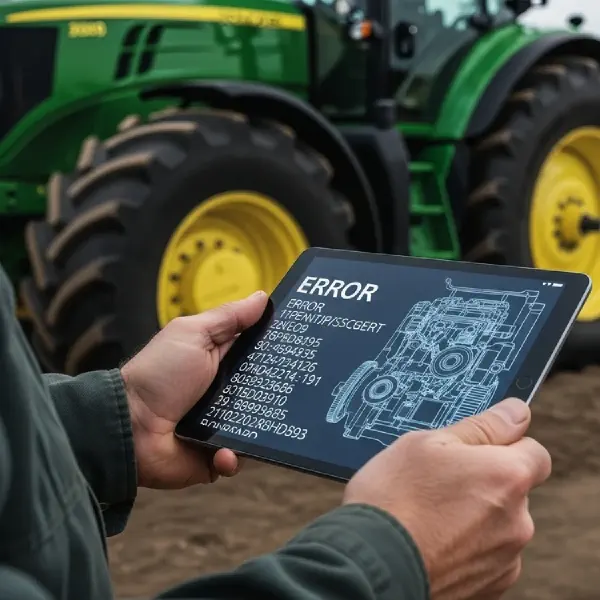
An exploration of the right to repair movement, examining how manufacturers use software locks and proprietary designs to control product lifecycles, from tractors to smartphones, and the battle for ownership rights.
An exploration of how superior automotive technologies fail in the marketplace due to ecosystem factors, path dependence, and industrial power structures, using examples like the rotary engine and EV1.
Tracing the origins of repair restrictions, from John Deere's software-locked tractors to Apple's glued components, and how manufacturers shifted from selling durable goods to controlling product lifecycles.
Examining how technically superior automotive technologies like the Wankel rotary engine and EV1 failed due to ecosystem factors beyond engineering excellence.
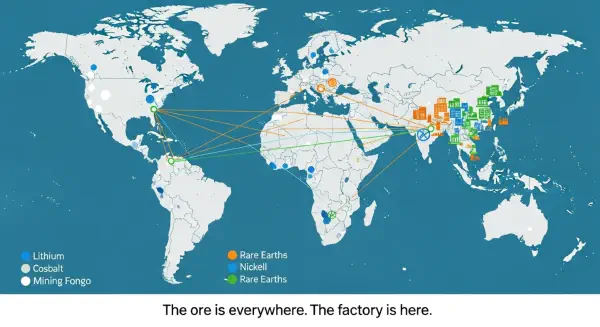
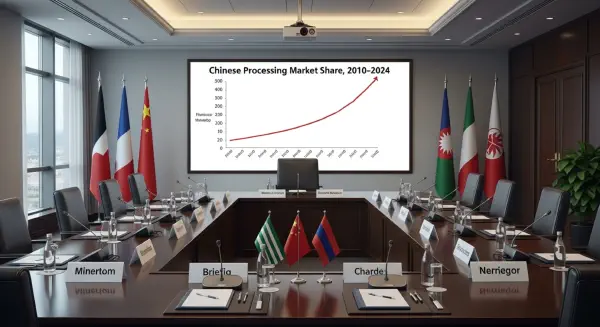
A four-part forensic series introducing the Processing Concentration Index (PCI) to reveal that the critical mineral supply chain's true vulnerability sits in the processing layer — a chokepoint three times more concentrated than mining, and one that current mineral security policy was designed not to measure.
Examines how resource-rich nations are using domestic processing mandates to capture value from refining, and traces the PCI response to this structural shift in the global critical minerals balance.
Audits the Minerals Security Partnership and bilateral mineral agreements against the PCI data to evaluate what is actually being secured versus what policy statements claim.