

Policy and Critique

The Architecture of Cognitive Dependency - Part 5: Structural Rupture and the Path to De-linking
·768 words·4 mins
The concluding analysis explores the conditions necessary for cognitive de-colonization: the deliberate dismantling of institutional structures that perpetuate Western dependency, the development of autonomous intellectual frameworks, and the construction of alternative paths to development.

The Architecture of Cognitive Dependency - Part 4: Mimetic Obsolescence and the Materialist Mirage
·739 words·4 mins
An examination of how post-colonial nations adopt 19th-century European industrial models just as the West has moved into post-industrial phases, creating a permanent structural lag that renders development strategies obsolete before implementation.

The Architecture of Cognitive Dependency - Part 3: The Bourgeois Bottleneck
·600 words·3 mins
This analysis examines how colonial powers deliberately maintained a weak middle class to prevent the emergence of indigenous capitalism, creating a structural dependency where the local bourgeoisie remains trapped as intermediaries rather than becoming true national agents.
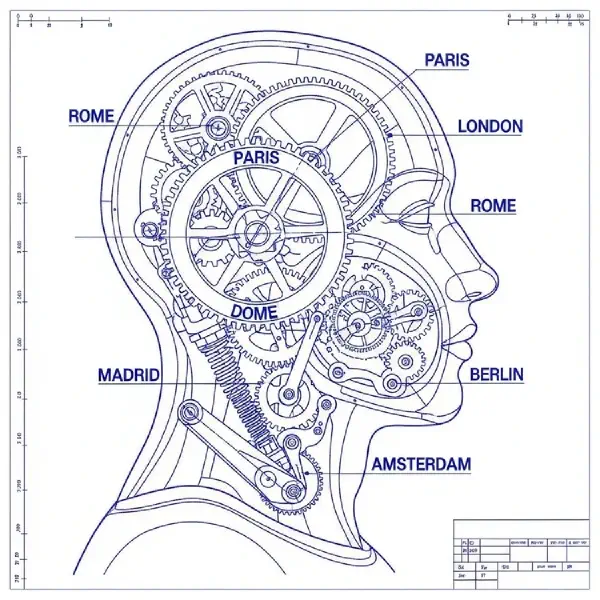
The Architecture of Cognitive Dependency - Part 2: Pedagogy and the Manufactured Elite
·520 words·3 mins
This installment explores how colonial powers deliberately trained local elites in Western institutions to serve as permanent structural intermediaries, creating a 'brain colonization' that outlasts military occupation.

The Architecture of Cognitive Dependency: Structural Legacies of the Colonial Project
·338 words·2 mins
A critical examination of how colonialism created permanent psychological and institutional structures that persist long after formal independence, trapping former colonies in cycles of intellectual and economic dependency.

The Architecture of Cognitive Dependency - Part 1: The Linguistic Corset
·530 words·3 mins
The first installment examines how colonialism uses language as its primary tool of cognitive capture, creating psychological dissociation that persists long after political independence.

The Poisoned Chalice
·289 words·2 mins
Exploring leaders who inherited impossible challenges and the tragic consequences of their attempts to reform decaying systems
The Water Ledger
·669 words·4 mins
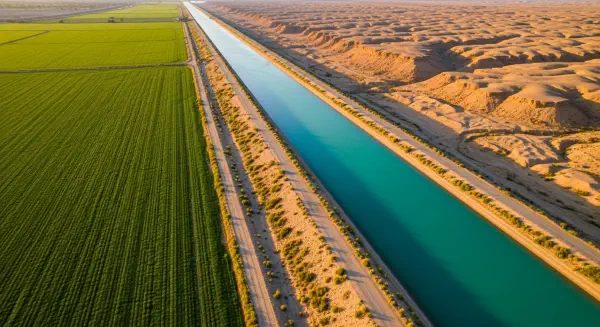
Freshwater is the binding physical constraint on food production, population geography, and geopolitical stability — yet most of it is priced at zero, measured poorly, and allocated by nineteenth-century law. The Water Productivity Gap quantifies how far below maximum efficiency the world operates, and what the gap means for a planet of 10 billion.

The Water Ledger – Part 4: Pricing the River
·1459 words·7 mins
Examines the governance architecture of water — nineteenth-century law, political seniority allocation, and sub-economic pricing — against the arithmetic of transboundary conflict, desalination economics, and governed commons.