

Policy and Critique
The Plastic Externality
·958 words·5 mins
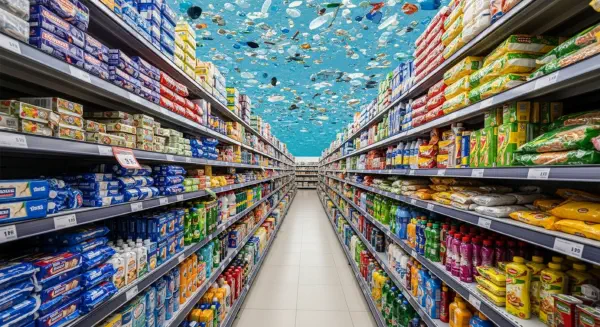
Every tonne of plastic produced carries environmental and health costs that no producer has ever paid. The Plastic Cost Coverage Ratio compares what producers actually pay to the full external cost their production imposes on the environment and on human health — consistently between 0.01 and 0.05, meaning plastic producers capture less than five cents in environmental liability for every dollar of damage their products create.
The Plastic Externality, Part 4: Who Pays?
·1306 words·7 mins
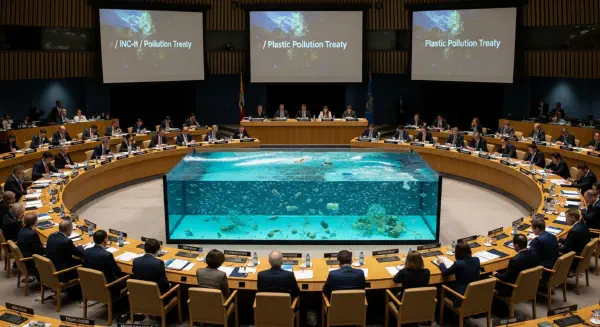
Audits the EU Plastics Strategy, Extended Producer Responsibility regimes, and the UN Global Plastics Treaty INC process against the Plastic Cost Coverage Ratio, demonstrating the gap between policy ambition and industrial accountability.

The Plastic Externality, Part 3: The Microscopic Crisis
·1389 words·7 mins
Documents the discovery of microplastics in human blood (2020) and nanoplastics in human brain tissue (2023), and applies precautionary arithmetic to the incomplete and contested epidemiology of plastic particle health effects.
The Plastic Externality, Part 2: The River That Never Stops
·1364 words·7 mins
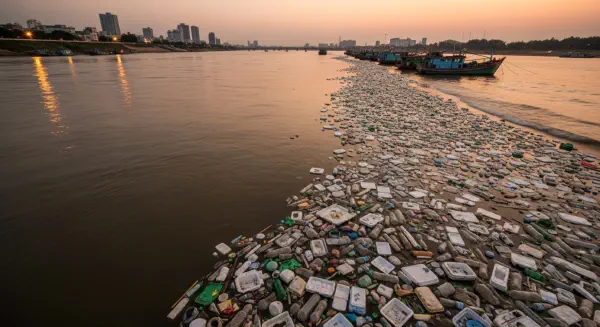
Maps the source geography of ocean plastic flows — which rivers, countries, and economic conditions deliver the most plastic to the sea — and traces the geopolitical structure of the Plastic Cost Coverage Ratio's geography.
The Plastic Externality, Part 1: The Invoice That Was Never Sent
·1341 words·7 mins
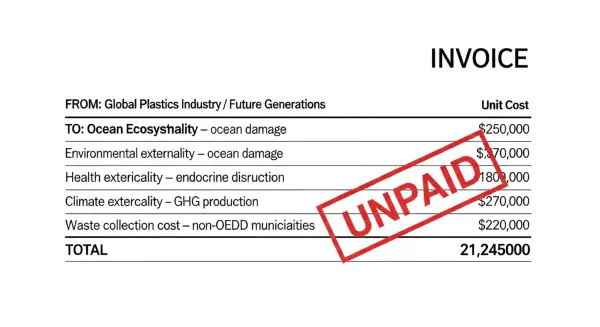
Introduces the Plastic Cost Coverage Ratio and applies it to the Ellen MacArthur Foundation data showing that plastic producers capture less than 5 cents in liability for every dollar of environmental damage their products create.
The Ocean Economy
·939 words·5 mins
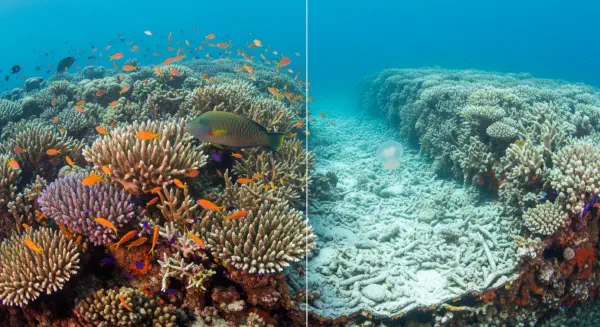
The ocean generates more economic value annually than it extracts — but it earns its revenue in services that go unpriced while its losses are recorded in fish landings and mineral royalties. The Marine Extraction Ratio compares what we take from the ocean to what the ocean generates for us, and reveals why the accounting gap is the engine of overfishing, acidification, and the now-imminent expansion of deep-sea mining.
The Ocean Economy, Part 4: The Floor Below the Floor
·1796 words·9 mins
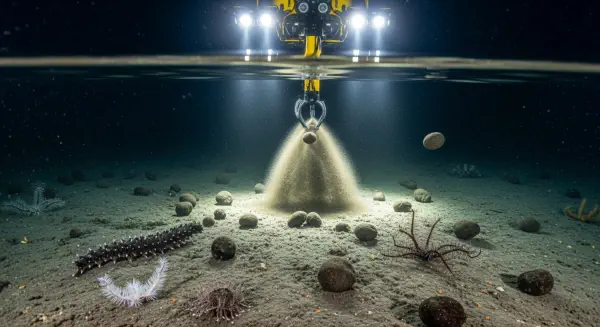
Examines deep-sea mining proposals against the Marine Extraction Ratio, documenting that the ISA has licensed exploratory access to seabed ecosystems whose service value dwarfs the mineral value being extracted — with no agreed authority to approve the transaction.
The Ocean Economy, Part 3: The Acid Account
·1609 words·8 mins
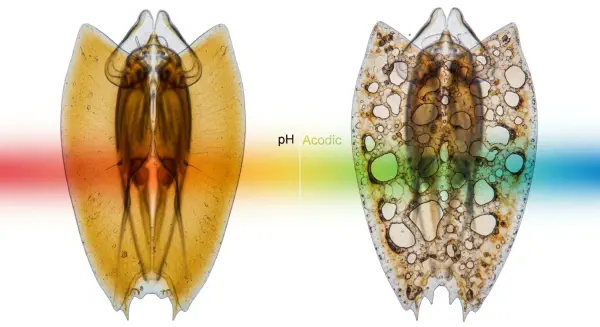
Quantifies the economic cost of ocean acidification by tracing a 30% acidity increase against the calcium carbonate-dependent ecosystem services it is progressively destroying — a cost that has never been formally entered into any national balance sheet.
The Ocean Economy, Part 2: The Cod That Wasn't There
·1579 words·8 mins
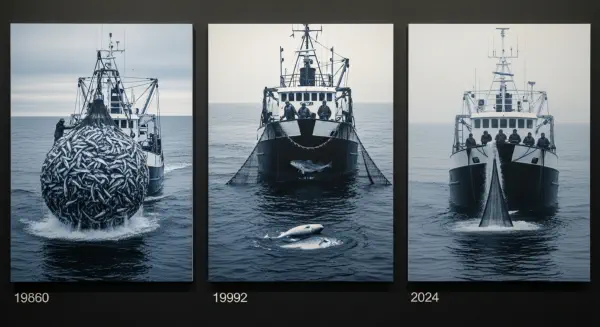
Reconstructs the arithmetic of the 1992 Northwest Atlantic cod collapse — visible decades before the moratorium — and applies it to current fishery dynamics to assess where the Marine Extraction Ratio is approaching comparable thresholds.