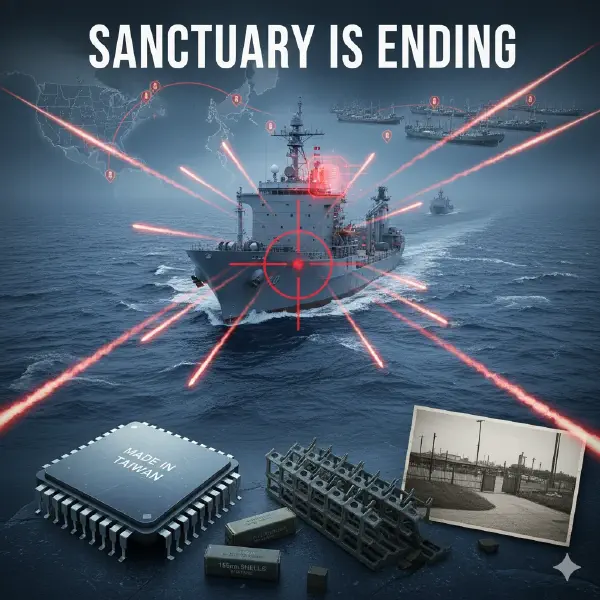
Desert Storm assumed sanctuaries: ports that wouldn't be bombed, ships that wouldn't be sunk, supply lines that wouldn't be cut. Against a peer adversary, those assumptions collapse. Welcome to the era of contested logistics.
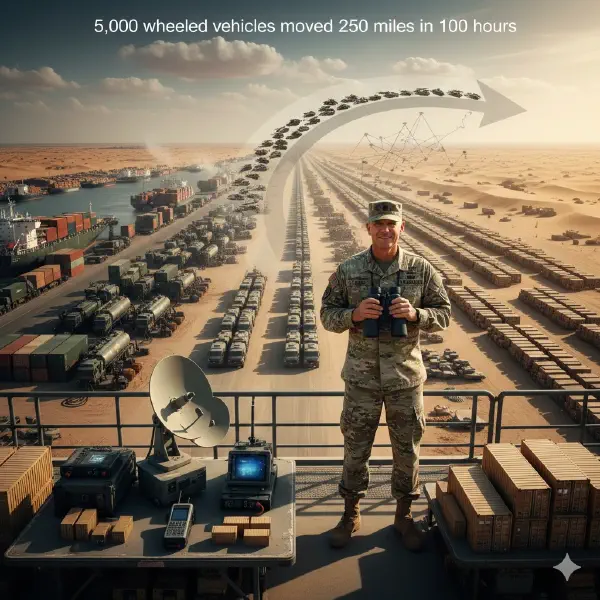
In six months, General Gus Pagonis built a logistics infrastructure that moved 500,000 troops, 7 million tons of supplies, and 100,000 vehicles to the Saudi desert. It was the largest military logistics operation since World War II�and it worked.
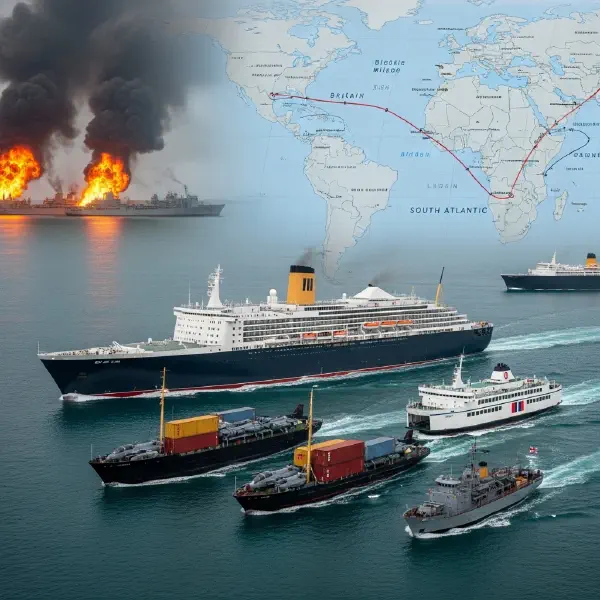
In 1982, Britain deployed a task force 8,000 miles to retake islands most Britons had never heard of. With no forward bases, minimal preparation, and a ticking clock, the Falklands campaign tested expeditionary logistics to destruction.
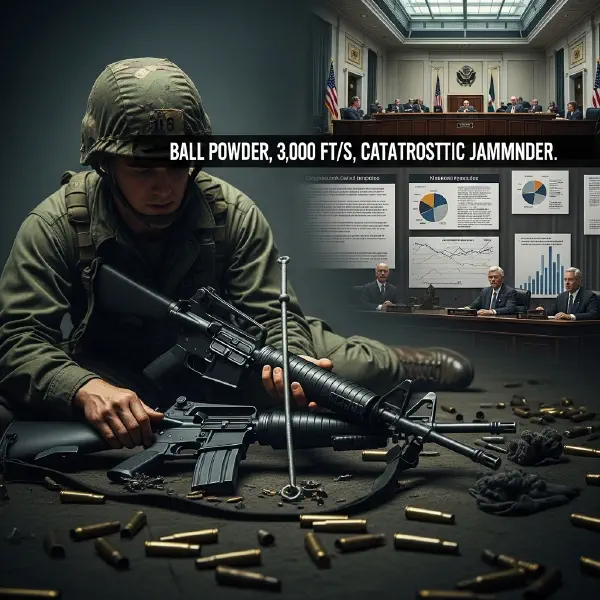
American soldiers died in Vietnam because their rifles jammed. Not from enemy action—from bureaucratic decisions about gunpowder and cleaning kits. The M16 debacle reveals how logistics failures at the Pentagon killed soldiers in the field.
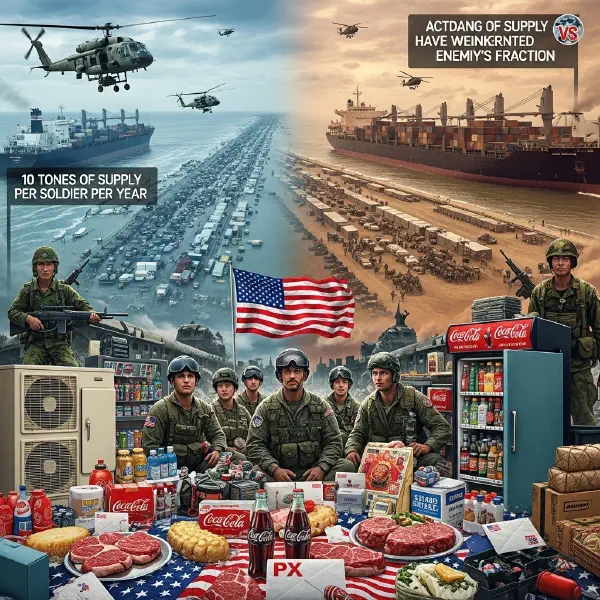
America built ports, roads, and bases across South Vietnam�the most expensive logistics infrastructure in Military and Logistics. It sustained half a million troops in style. And it still wasn't enough.
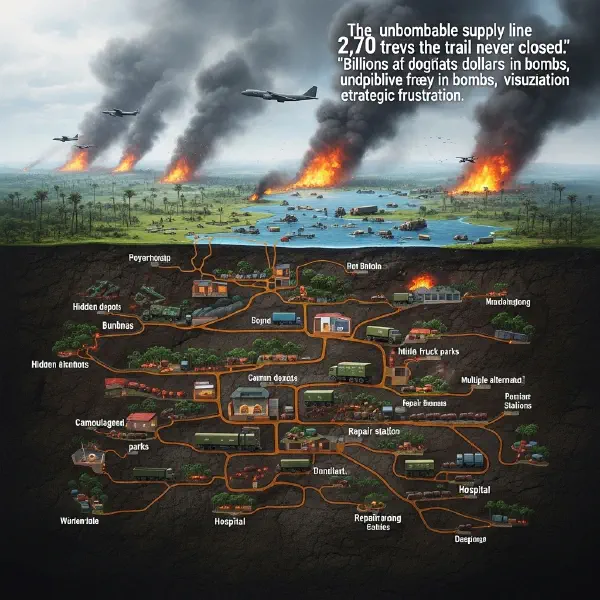
The United States dropped more bombs on the Ho Chi Minh Trail than it dropped in all of World War II—and still couldn't stop the supplies. How a jungle path defeated the world's most powerful air force.
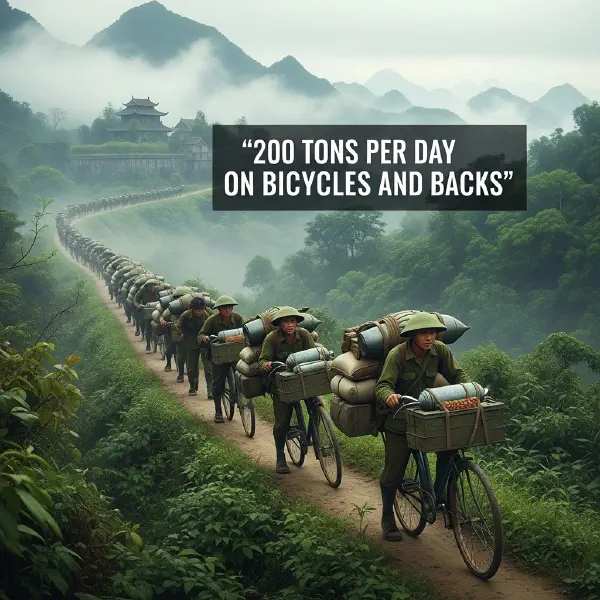
General Vo Nguyen Giap moved 200 artillery pieces and 20,000 tons of supplies through 'impassable' jungle using bicycles and human porters. This logistics miracle at Dien Bien Phu destroyed French power in Asia.
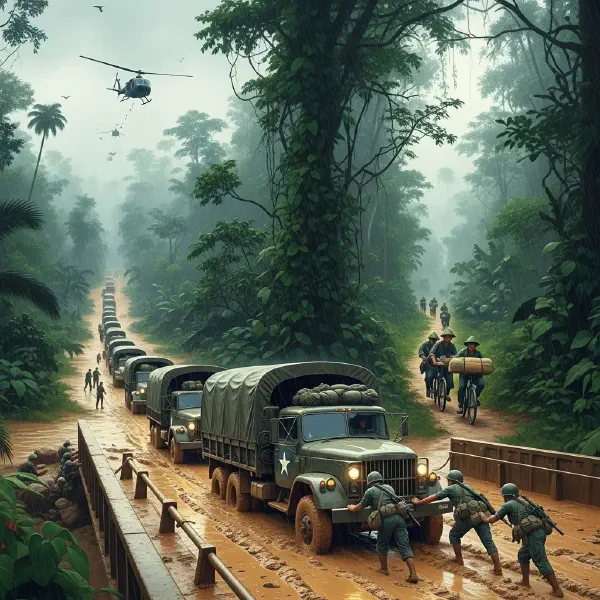
Vietnam's jungles, monsoons, and mountains defeated logistics systems designed for temperate Europe. Both France and America discovered that the rules of industrial warfare didn't apply in Southeast Asia.
After Germany surrendered, the U.S. faced a staggering logistics challenge: redeploy millions of men and megatons of equipment from Europe to the Pacific for the invasion of Japan. It was the largest movement of military force ever planned—and then it all changed overnight.