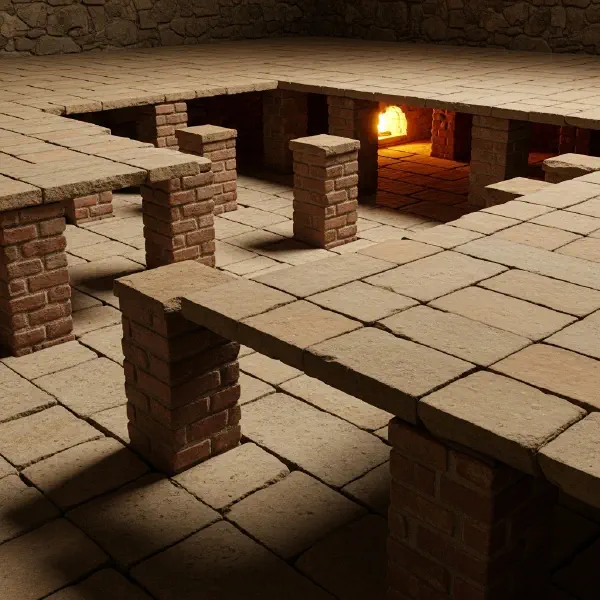
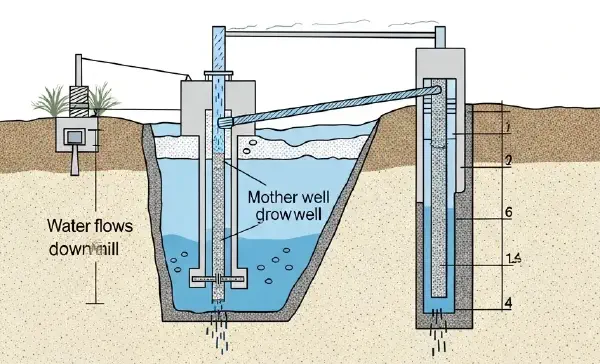
Exploring how ancient civilizations engineered sophisticated water management and climate control systems, from Persian qanats to Roman hypocausts, offering timeless lessons for sustainable technology.
A batch of polyimide-coated wafers undergoes a standard plasma-etching process to improve adhesion for subsequent layers. Post-process inspection reveals a dramatic darkening of the surface, shifting from a light green to a dark green hue.
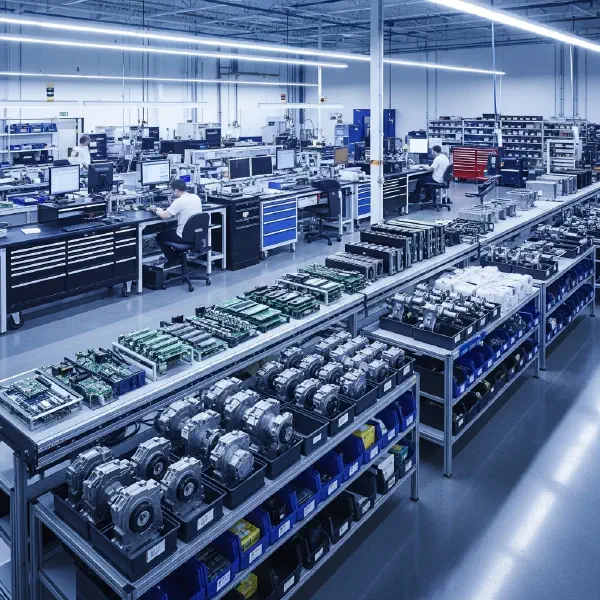
Modern electronic systems often fail in environments where they are physically shielded from external pollutants. Thin-film resistors exhibit high-resistance or open-circuit conditions despite being housed in supposedly clean enclosures.
An aluminum housing arrives at the laboratory exhibiting a complete structural fracture. Initial visual inspection reveals a clean break, but the specified alloy must meet the rigid AMS4218 requirements of 7.0% silicon and 0.35% magnesium.
How physical limits imposed by climate change and resource scarcity are making Bauhaus principles not optional ethical positions, but unavoidable economic necessities.
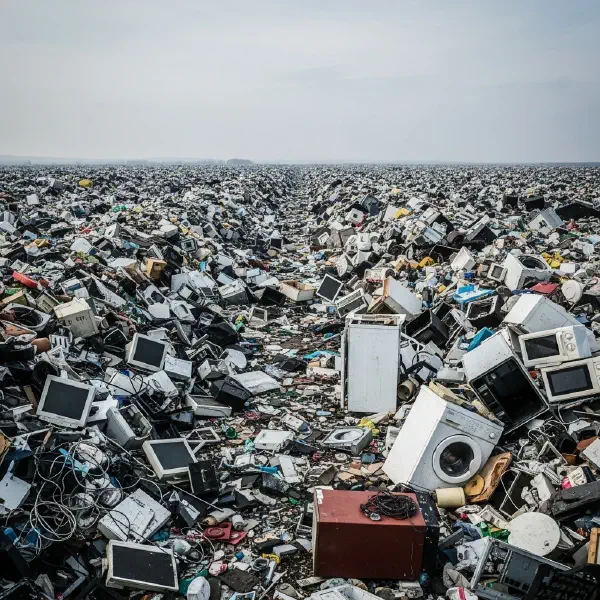
Examining how waste is not an anomaly or failure in growth-dependent economies, but rather a structural necessity designed into production and consumption systems.