Human Systems

The Displacement Economy: What Happens to People Who Survive

A five-part series examining the system-level failure hidden behind displacement statistics: 117 million people forcibly displaced worldwide, a median exile duration exceeding 20 years, and an international framework built around a crisis it was never designed to make permanent.
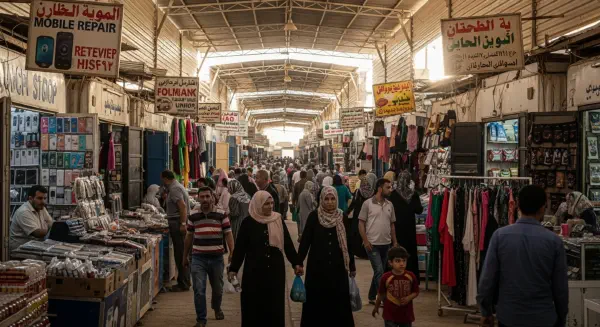
The Displacement Economy – Part 5: What 'Return' Actually Means

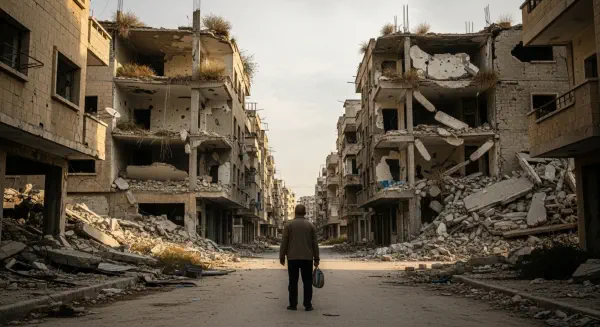
In 2018, Syrian regime officials announced that conditions for refugee return were safe. In the seven years since, fewer than 6% of Syria's 5.4 million registered refugees have gone back. Most of those who tried, re-fled. The gap between 'return' as a policy goal and 'return' as a lived event is the measure of what the displacement economy has actually built.

The Displacement Economy – Part 4: The Economics of the Camps

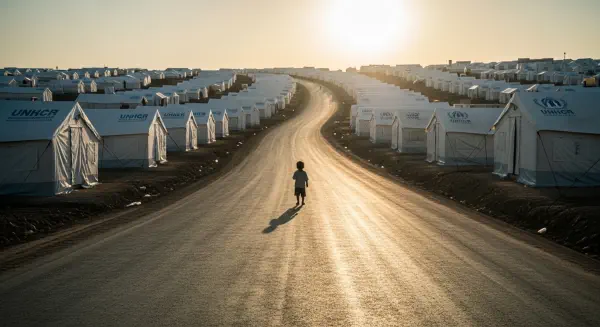
Zaatari camp in Jordan opened in July 2012. By 2026, it has operated for 14 years, making it Jordan's fourth largest city by population. UNHCR has spent approximately $1.8 billion managing it. Every year of that spending was described, in the documents that authorized it, as an emergency response.

The Displacement Economy – Part 3: Statelessness as Inheritance

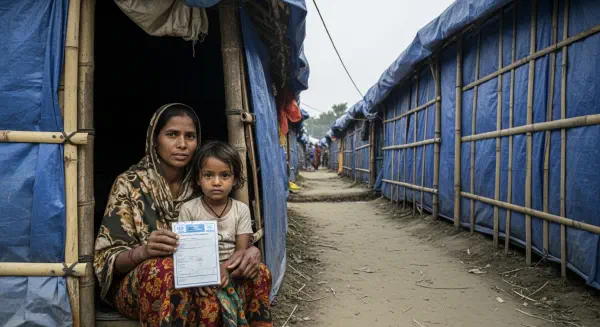
A child born in Cox's Bazar to Rohingya parents in 2018 is eight years old in 2026. She has never been a citizen of any country. She will not become one unless a political decision is made by a government that has already decided she does not exist. This is not an edge case. It is a category with at least ten million members.

The Displacement Economy – Part 2: The Host Country Burden Index

In 2024, Germany received more political credit for hosting Ukrainian refugees than any country in the world. Lebanon, which hosts a refugee population comprising more than 25% of its total population and has done so for over a decade, received a fraction of that attention. A single index reveals why the arithmetic of generosity is almost entirely wrong.

The Displacement Economy – Part 1: The 20-Year Exile

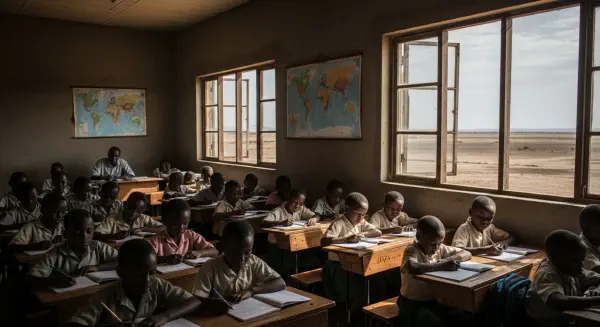
In 1992, UNHCR opened a camp in northern Kenya for Somali refugees fleeing civil war. It was designed as a temporary measure. In March 2026, it is still operating. The data on protracted displacement tells a story that the word 'temporary' was never equipped to describe.