The concluding analysis of how the colonial apparatus manufactures the conditions for its own dissolution through internal contradictions that cannot be resolved without self-destruction.
An examination of how the colonial structure makes both resistance and accommodation impossible, forcing inevitable rupture as the only viable outcome.
An analysis of how dehumanization operates as a functional mechanism to justify exploitation and resolve the colonizer's moral guilt through systematic negation.
An examination of how economic exploitation forms the foundation of colonialism, maintained through systematic deprivation of the colonized and artificial privilege of the colonizer.
A comprehensive five-part examination of how colonialism functions as an objective system that manufactures both colonizer and colonized, transcending individual morality or intent.
An analysis of how the colonial system functions as an objective apparatus that manufactures both colonizer and colonized, determining behavior and identity regardless of individual intention.
The Yasa was Genghis Khan's legal code – a framework for governing nomadic warriors and conquered civilizations alike. How did a law code from the steppes hold together history's largest empire?
The Mongol massacres weren't random violence. They were calculated psychological operations designed to minimize resistance and Mongol casualties. Here's the disturbing logic behind history's most effective terror campaign.
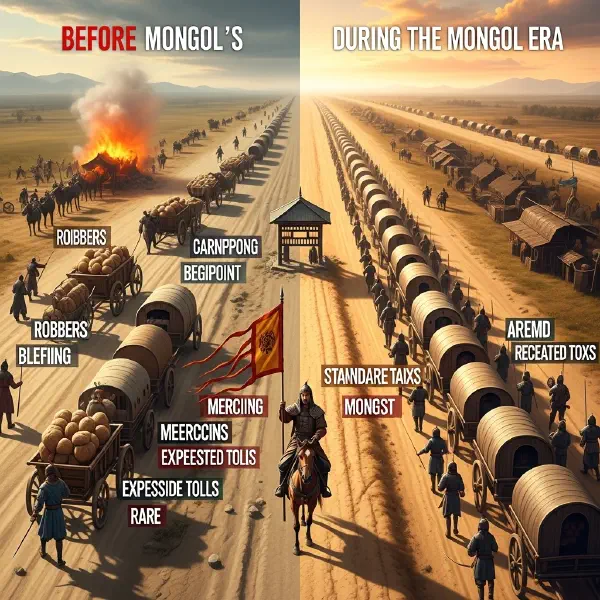
The Silk Road existed for centuries before the Mongols. But under Mongol protection, trade volume multiplied. Here's how security, infrastructure, and policy combined to create history's first commercial superhighway.