Disasters devastate the many but enrich the few. Understanding elite disaster strategies reveals how catastrophe reinforces rather than challenges existing power structures.
Every disaster forces brutal choices about who to save and who to abandon. These decisions—explicit in crisis, implicit in policy—reveal society's true values.
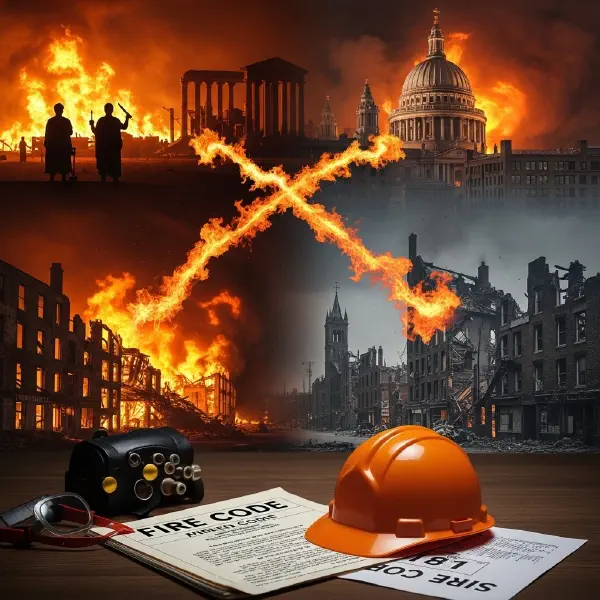
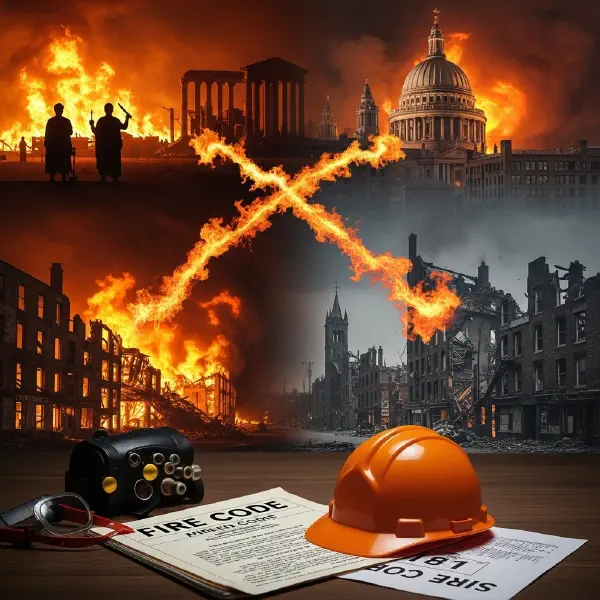
Cities that burn repeatedly do so for political reasons, not just technical ones. Fire policy reveals who matters—and who can be sacrificed to the flames.
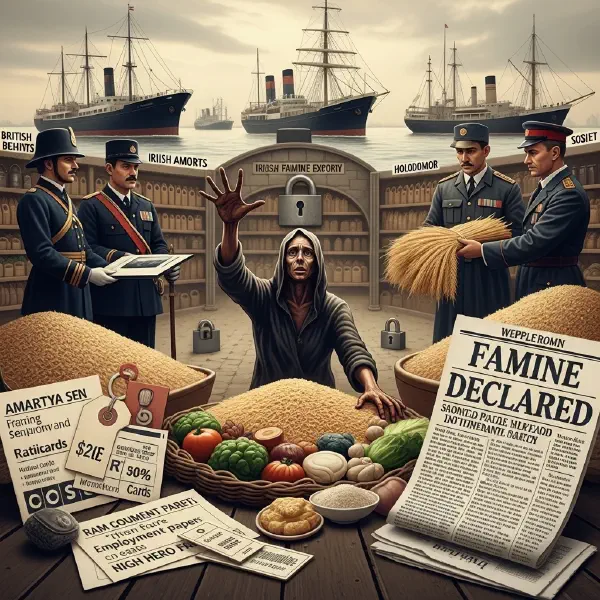
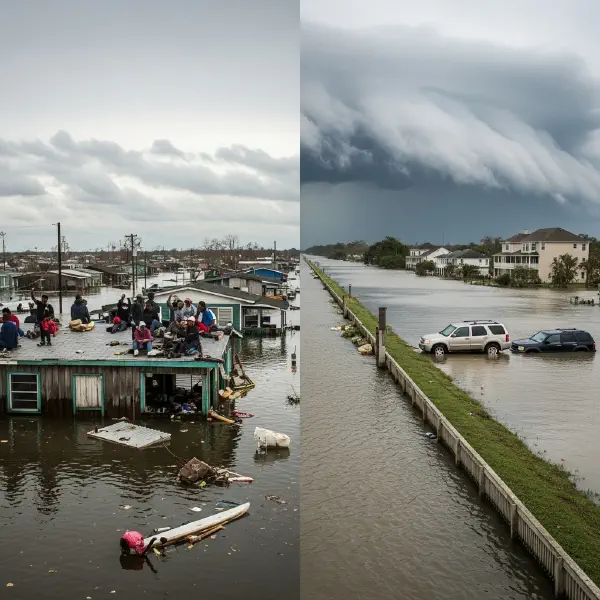
How political systems shape disaster response—and how disasters reshape political systems. From ancient famines to modern hurricanes, who gets saved and who gets sacrificed reveals the true nature of power.
Natural disasters are never purely natural. The earthquake, flood, or famine kills selectively—and the selection criteria reveal the hidden architecture of political and economic power.
A blueprint for breaking the mold of organizational inertia, designing ambidextrous structures, and achieving perpetual corporate renewal to avoid extinction.
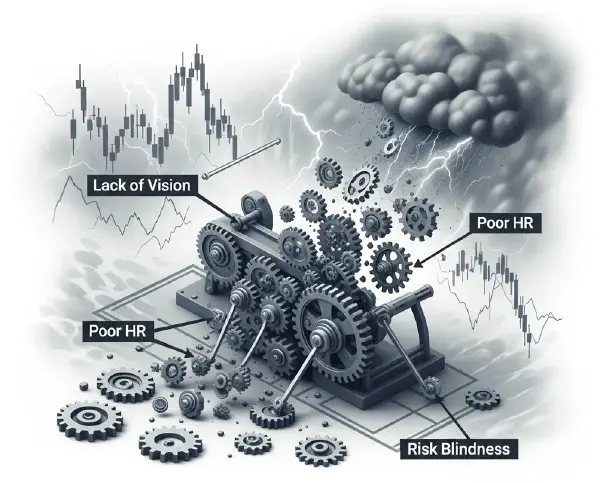
A comprehensive framework of forty specific pitfalls across eight areas that collectively drive organizational extinction, going beyond the paradox to actionable insights.
How Nokia's sophisticated learning process led to catastrophic failure by drawing the wrong lessons from history, illustrating the dangers of flawed analogies.
Why organizations cling to dying business models, prioritizing short-term profits over long-term survival, and how this fatal embrace guarantees extinction.