
Development and Inequality

Do As I Say, Not As We Did: The Secret Economic History of Rich Nations
·1748 words·9 mins
An exploration of how today's rich nations built their wealth using policies they now deny to developing countries, revealing the tale of two histories.


The Debt Architecture – Part 5: The Architecture of Escape
·2031 words·10 mins
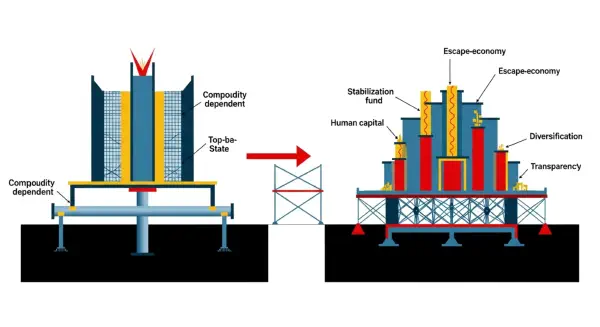
Uganda reduced its debt-to-GDP ratio from 96% to 28% after HIPC completion and has kept it there for twenty years. Botswana has never been in debt distress despite being a resource economy. Ecuador's 2023 Galápagos debt-for-nature swap saved $390 million in interest payments while funding marine conservation. The countries that escaped the debt architecture share five characteristics. None of them is luck.

The Debt Architecture – Part 4: The Default Trap
·1700 words·8 mins
When Zambia defaulted in 2020, it entered a restructuring process that took 46 months. During those 46 months it was locked out of capital markets, its currency fell 44%, and its infrastructure pipeline froze. The haircut it achieved was 18% in NPV terms. Its projected return to markets carries an 800-basis-point spread. The arithmetic of default suggests that the savings from restructuring may be outweighed by the cost of re-entry.