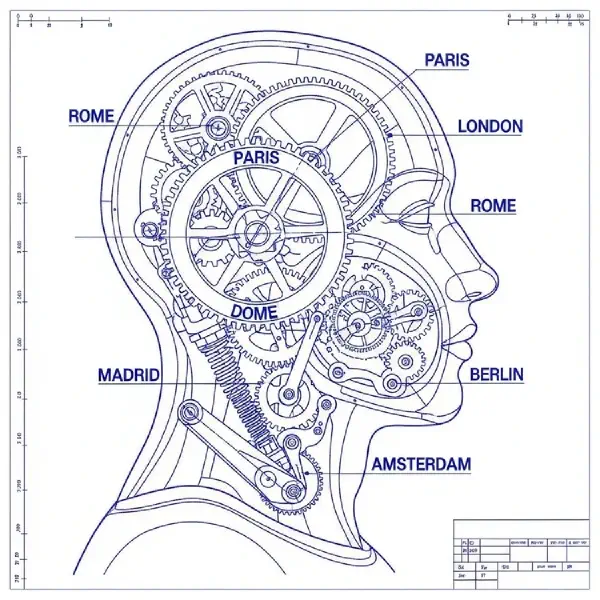
The concluding analysis explores the conditions necessary for cognitive de-colonization: the deliberate dismantling of institutional structures that perpetuate Western dependency, the development of autonomous intellectual frameworks, and the construction of alternative paths to development.
An examination of how post-colonial nations adopt 19th-century European industrial models just as the West has moved into post-industrial phases, creating a permanent structural lag that renders development strategies obsolete before implementation.
This analysis examines how colonial powers deliberately maintained a weak middle class to prevent the emergence of indigenous capitalism, creating a structural dependency where the local bourgeoisie remains trapped as intermediaries rather than becoming true national agents.
This installment explores how colonial powers deliberately trained local elites in Western institutions to serve as permanent structural intermediaries, creating a 'brain colonization' that outlasts military occupation.
A critical examination of how colonialism created permanent psychological and institutional structures that persist long after formal independence, trapping former colonies in cycles of intellectual and economic dependency.