
Development and Inequality
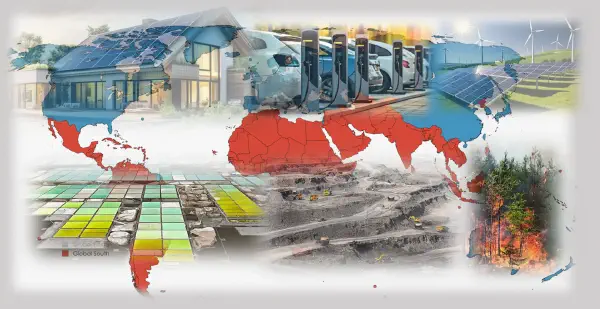
The Green Colonialism: How the Clean Energy Transition is Plundering the Global South
·3757 words·18 mins
The global shift toward a post-carbon economy is functionally a new phase of imperialism, where the ecological costs of renewable energy are externalized onto the Global South. This analysis examines the historical parallels between fossil fuel extraction and the emerging mineral economy, revealing how the 'green transition' reproduces colonial dependencies while exacerbating environmental destruction. We explore the devastating material demands of technologies like electric vehicles and batteries, the weaponization of lithium and rare earth minerals in geopolitical conflicts, and the systematic silencing of indigenous and marginalized communities whose lands are sacrificed for the sake of planetary salvation.

The Big Flat Bill: How IKEA Turned an Energy Crisis into a Competitive Moat
·2549 words·12 mins
IKEA's strategic investment in renewable energy has insulated it from global energy shocks, turning a potential crisis into a competitive advantage. This case study explores the timeline, economics, and strategic implications of IKEA's energy transition.
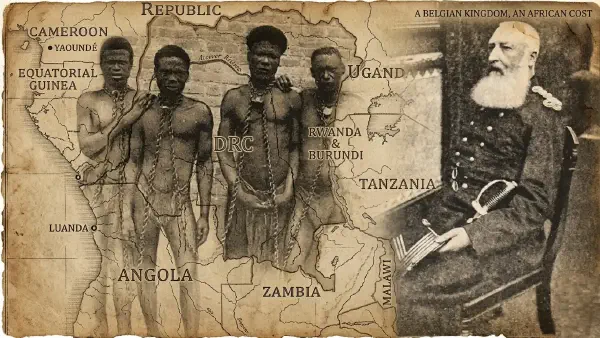
The Butcher King: Greed, Atrocity, and the Making of the Congo Free State
·3746 words·18 mins
An examination of Belgium's colonial venture in the Congo — its origins, its atrocities, and its enduring shadow over Central Africa today
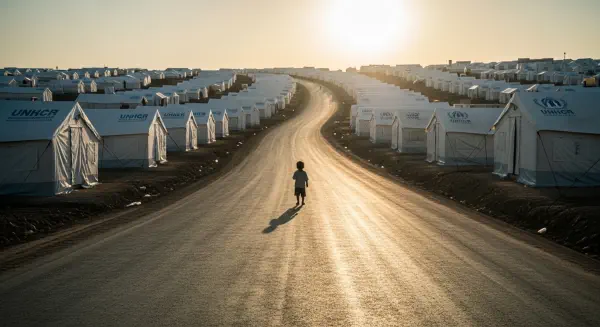
The Displacement Economy: What Happens to People Who Survive
·573 words·3 mins
A five-part series examining the system-level failure hidden behind displacement statistics: 117 million people forcibly displaced worldwide, a median exile duration exceeding 20 years, and an international framework built around a crisis it was never designed to make permanent.
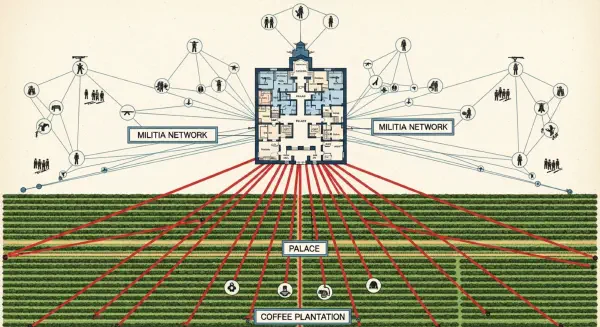
The Dictator's Calculus: How Habyarimana Used Coffee to Buy Power and Genocide to Keep It
·565 words·3 mins
A five-part series using Wintrobe's loyalty-repression model and Verwimp's commune-level data to show that the Rwandan genocide was not the explosion of ancient hatreds but the rational outcome of a budget constraint the dictator could no longer meet.
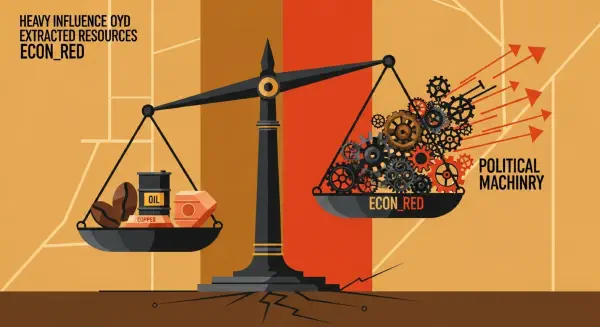
The Commodity Curse: How What You Grow Decides How You're Governed
·622 words·3 mins
A five-part series examining why the countries best endowed with natural resources are so frequently the worst governed, and how the arithmetic of commodity dependence — not culture, not climate, not colonial history alone — explains the pattern.

The Peace That Never Came: Measuring the True Scale of Modern War
·429 words·3 mins
A four-part series tracing the arc from Cold War-era academic optimism about declining conflict, through 25 years of contradicting data, to two new metrics — the Human Cost Index and Casualty Rate — that expose the true human cost and velocity of asymmetric modern war.

The Peace That Never Came – Part 5: The Third Metric: Who Is Being Killed in Gaza
·1773 words·9 mins
7 out of 10 of casualties in Gaza are women and children.

The Peace That Never Came – Part 4: The Speed of Killing — What the Casualty Rate Reveals
·1786 words·9 mins
Rwanda killed 800,000 people in 100 days. Gaza has killed more than 75,000 in 2.5 years. The numbers are not the same — but the Casualty Rate metric reveals that the mechanism is. This post introduces the velocity of killing as the field's most urgent missing variable.