
Design and Innovation

Innovation Ecosystems: Design, History, and Biomimicry - Part 5: Breaking Lock-In: Systemic Lessons for Future Design
·101 words·1 min
Breaking technological path dependency through biomimicry and deliberate ecosystem design, with modular standards, open-source models, and regulatory foresight to enable more resilient innovation.

Innovation Ecosystems: Design, History, and Biomimicry - Part 4: Ecosystems Over Inventions: Toward Resilient Innovation
·132 words·1 min
How innovation ecosystems determine the success of inventions, with biomimicry showing higher survival rates when integrated early into interconnected networks of markets, regulations, and supply chains.

Innovation Ecosystems: Design, History, and Biomimicry - Part 3: Aligning Structures: When Nature Reshapes Machines
·216 words·2 mins
How biomimicry solved Japan's Shinkansen tunnel noise crisis by redesigning train noses after kingfisher beaks, demonstrating how natural constraints can reshape technological evolution.

Innovation Ecosystems: Design, History, and Biomimicry - Part 2: Borrowed Genius: Biomimicry's Hidden Mechanisms
·312 words·2 mins
Exploring biomimicry as a strategy for innovation, using examples like Velcro from burrs to demonstrate how borrowing evolved biological mechanisms can bypass human path dependency.
Innovation Ecosystems: Design, History, and Biomimicry
·317 words·2 mins
A comprehensive exploration of how technological innovation is shaped by path dependency, structural lock-in, and biomimicry as a pathway to more resilient design systems.

Innovation Ecosystems: Design, History, and Biomimicry - Part 1: Locked Paths of Technological Evolution
·391 words·2 mins
Examining how technological innovation is constrained by path dependency and structural lock-in, using QWERTY keyboards and other examples to illustrate why superior technologies often fail to displace incumbents.

The Paper Trap
·386 words·2 mins
A series exploring the hidden dangers and illusions in engineering systems that lead to catastrophic failures.
The Weight Penalty
·535 words·3 mins
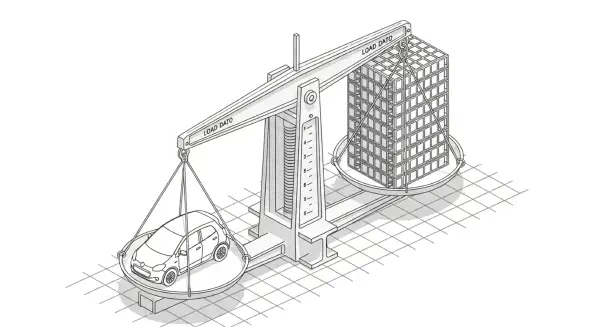
Why mass compounds against itself in every transport system — and what the Mass Amplification Factor reveals about the engineering limits of the electric vehicle.
The Weight Penalty – Part 4: The Mass Budget Discipline
·1335 words·7 mins
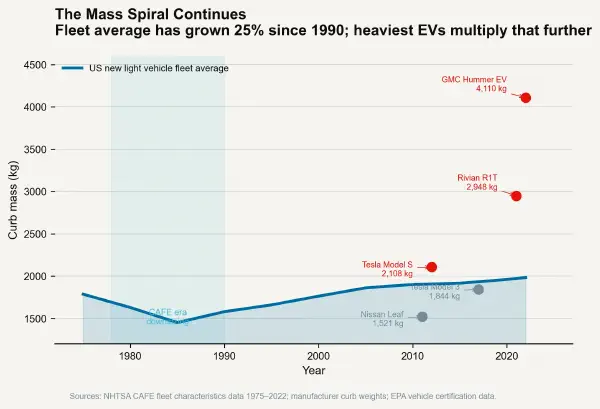
Contrasts aerospace mass budget culture — where mass is the primary design currency — with ground transport engineering, demonstrating what the discipline of mass management achieves when enforced.