The coming age of synthetic persuasion examines how AI and algorithms challenge human free will, blending biotechnology and information technology to potentially render humans irrelevant.
The ethics of nudging explores whether intentional design to improve welfare is acceptable, examining transparency, consent, and the balance between autonomy and beneficial influence.
How do you protect your mind in an age of constant influence? This series explores the latest research in cognitive science, behavioral economics, and social dynamics to help you build stronger mental defenses.
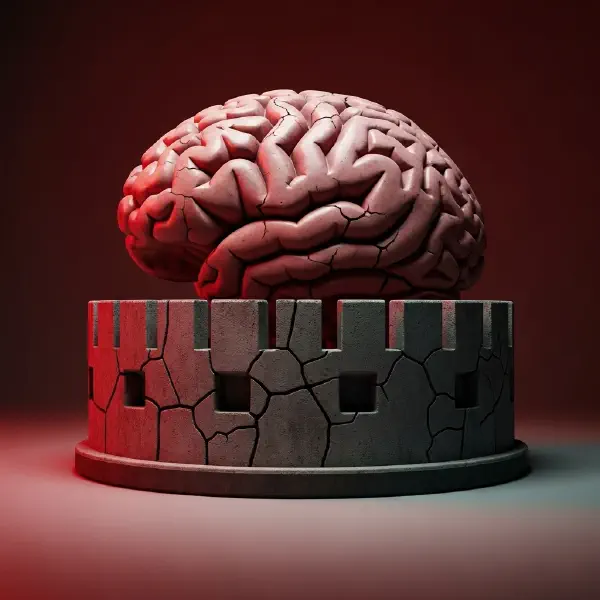
Building cognitive immunity requires moving from passive information absorption to active critical thinking, identifying arguments, assumptions, and fallacies to defend against manipulation.
Investigating the mind's tendency to construct comforting narratives, exploring the conflict between the experiencing self and the narrating self, and the implications for personal growth and societal progress.
Examining how the attention merchant model has colonized private spaces, turning consumers into products sold to advertisers and shaping personal identity through consumption.
A two-part exploration of how human cognition systematically distorts reality through unconscious biases, confabulation, and social pressure—and why this design is actually adaptive.