

Consumer Psychology

The Democratic Machine: When Reliability Becomes Revolution
·160 words·1 min
This series argues that the Beetle and Corolla achieved immortality by mastering the metrics of Reliability and Serviceability, and by cultivating a profound Cultural Transparency rooted in their role as democratic enablers.
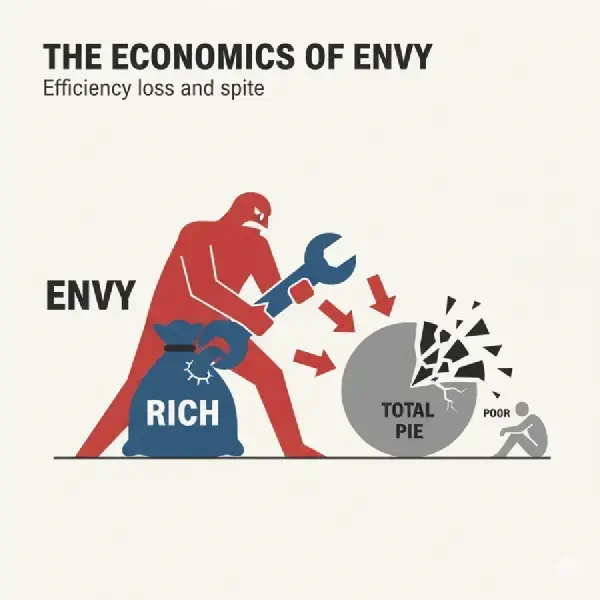
Economics Envy - Part 6: The Spite Premium: Understanding the Wealthy-Harming Preference in Redistributive Policy
·526 words·3 mins
We analyze the Wealthy-Harming Preference (WHP), quantifying how spiteful envy drives support for economically inefficient tax policies.
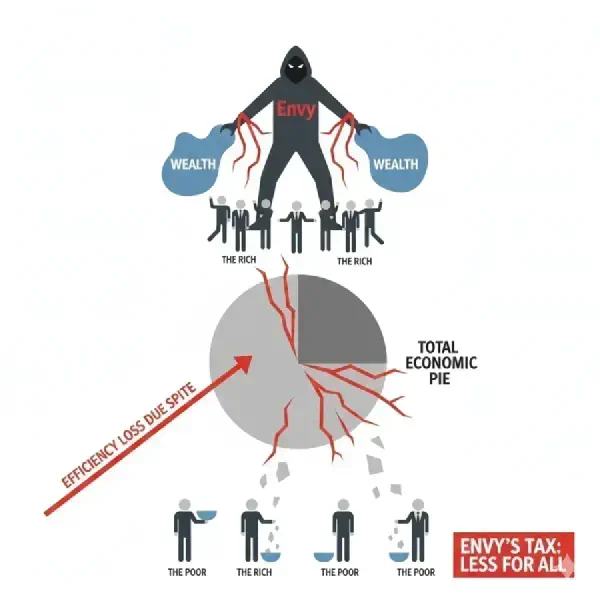
Economics Envy - Part 5: The Silent Partner of Egalitarianism: Why Political Redistribution Rests on Envy
·617 words·3 mins
We analyze the historical proscription of envy and quantify its modern role as a hidden, punitive driver of demand for wealth redistribution.

Economics Envy - Part 4: The 'Top Dog' Dilemma: Mitigating Brand Malicious Envy Through Strategic Redistribution
·661 words·4 mins
Successful brands must proactively manage malicious envy, especially in high-inequality markets, or face boycotts and negative word-of-mouth.
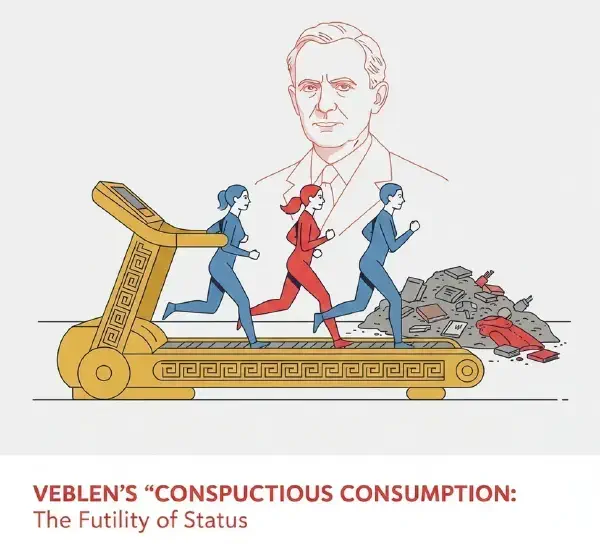
Economics Envy - Part 3: The Positional Treadmill: How Veblen's Invidious Comparison Generates Welfare Losses
·543 words·3 mins
Veblen's concepts explain why competitive status seeking traps individuals in a costly, self-defeating cycle of spending, creating large societal welfare losses.
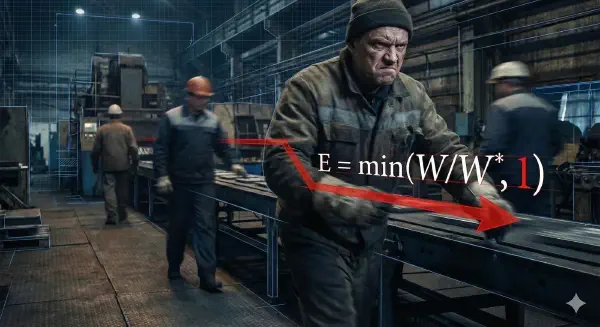
Economics Envy - Part 2: The Fair Wage-Effort Hypothesis: Quantifying the Economic Drag of Relative Status
·677 words·4 mins
Relative standing concerns translate directly into measurable inefficiency, undermining output and challenging competitive labor market theory.
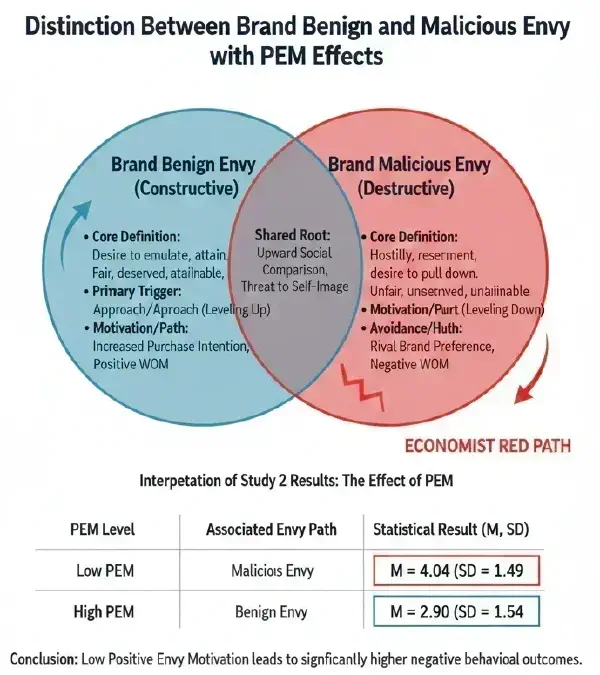
Economics Envy: The Dual Calculus of Human Motivation
·109 words·1 min
A comprehensive exploration of envy in economic systems, from workplace fairness to political redistribution

Economics Envy - Part 1: The Dual Calculus: Why Benign Envy Fuels Excellence, While Malice Undermines the Organization
·832 words·4 mins
Managers and policymakers must differentiate constructive desire from spite-based destruction to maximize organizational output.