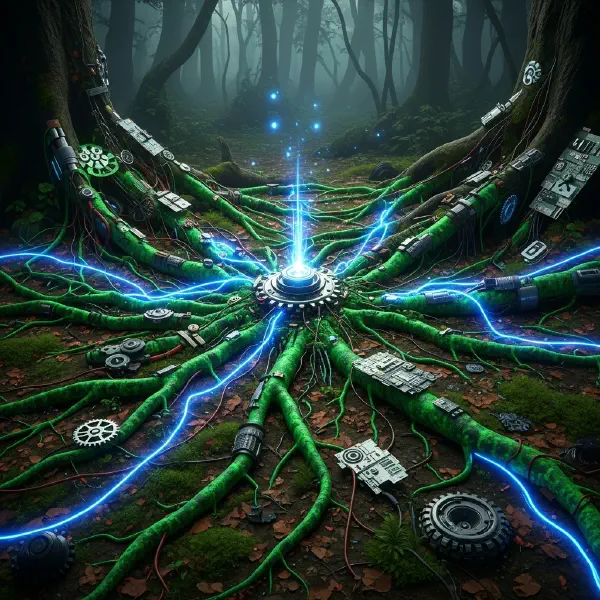
Breaking technological path dependency through biomimicry and deliberate ecosystem design, with modular standards, open-source models, and regulatory foresight to enable more resilient innovation.
How innovation ecosystems determine the success of inventions, with biomimicry showing higher survival rates when integrated early into interconnected networks of markets, regulations, and supply chains.
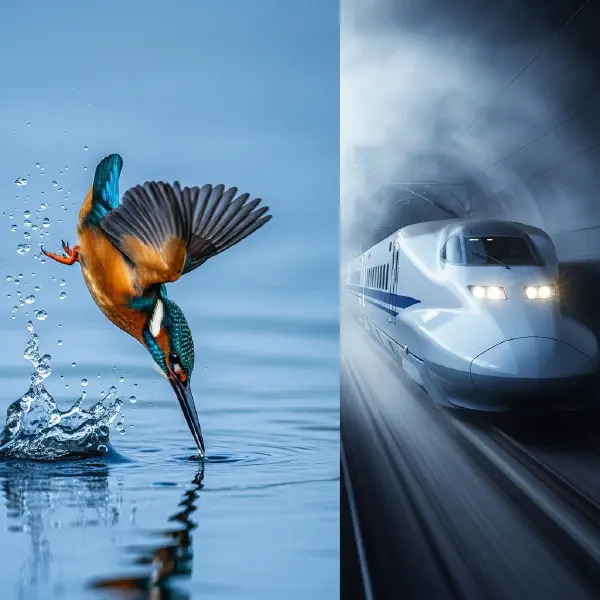
How biomimicry solved Japan's Shinkansen tunnel noise crisis by redesigning train noses after kingfisher beaks, demonstrating how natural constraints can reshape technological evolution.
Exploring biomimicry as a strategy for innovation, using examples like Velcro from burrs to demonstrate how borrowing evolved biological mechanisms can bypass human path dependency.
A comprehensive exploration of how technological innovation is shaped by path dependency, structural lock-in, and biomimicry as a pathway to more resilient design systems.
Examining how technological innovation is constrained by path dependency and structural lock-in, using QWERTY keyboards and other examples to illustrate why superior technologies often fail to displace incumbents.