After Germany surrendered, the U.S. faced a staggering logistics challenge: redeploy millions of men and megatons of equipment from Europe to the Pacific for the invasion of Japan. It was the largest movement of military force ever planned—and then it all changed overnight.
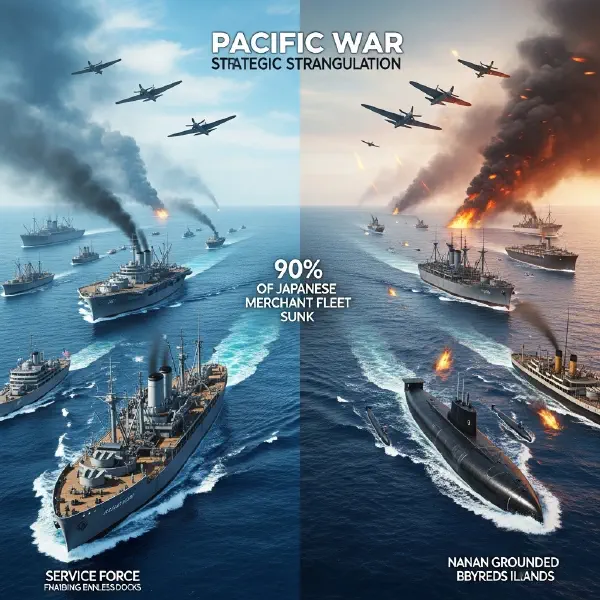
The Pacific War was fought with two competing logistics concepts: the Army's ground-force supply system and the Navy's mobile fleet logistics. Their clash�and eventual integration�revealed fundamental truths about expeditionary warfare.
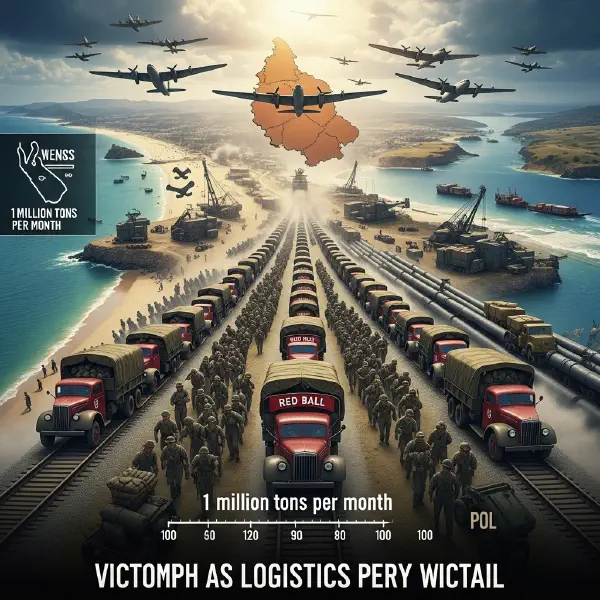
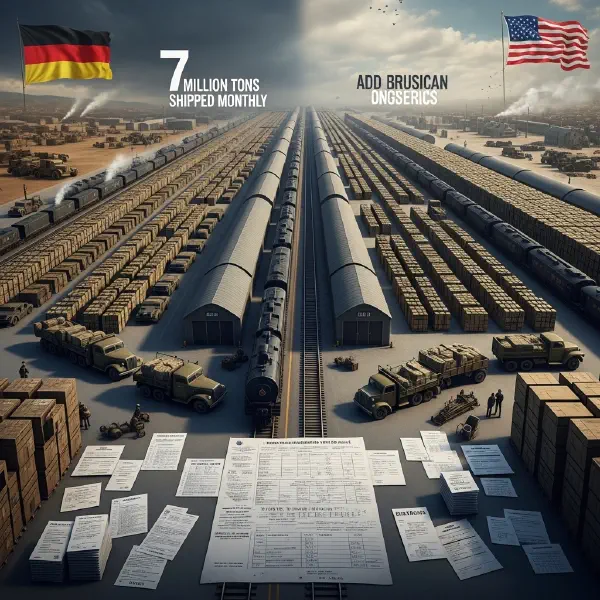
America won World War II not just through firepower but through the most sophisticated logistics system ever built. From factory to foxhole, the U.S. created a 'wholesale distribution' machine that buried the Axis in materiel.
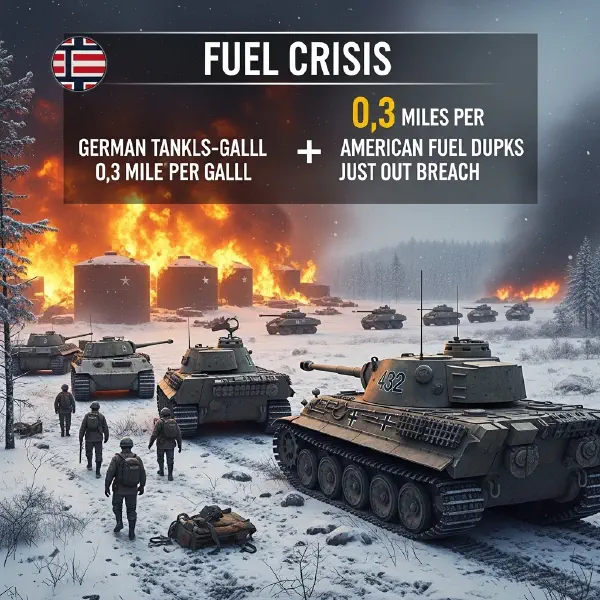
Hitler's final offensive in December 1944 was designed to capture Allied fuel depots. When that failed, Panzer divisions that had terrorized Europe ran out of gas and abandoned their tanks. Fuel—not firepower—decided the battle.
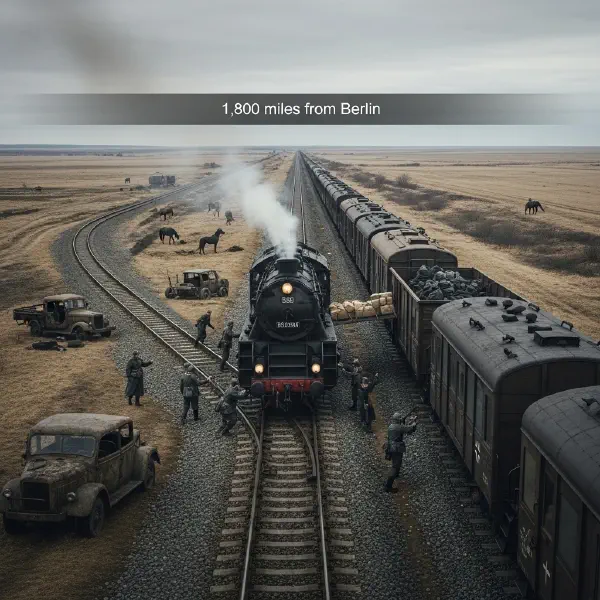
Germany's invasion of the Soviet Union foundered not on Soviet resistance alone, but on an 85mm gap between German and Russian railroad gauges. The logistics of Barbarossa reveal how infrastructure determines strategy.