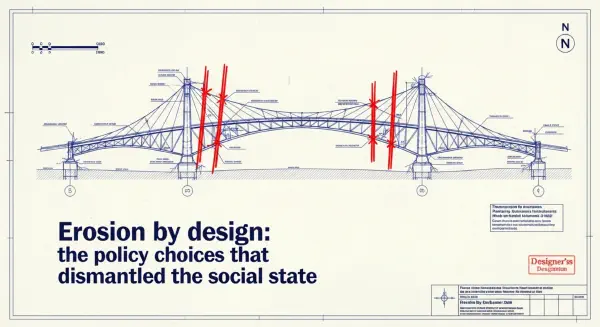
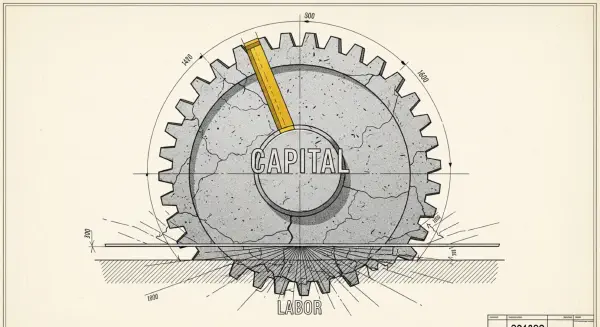
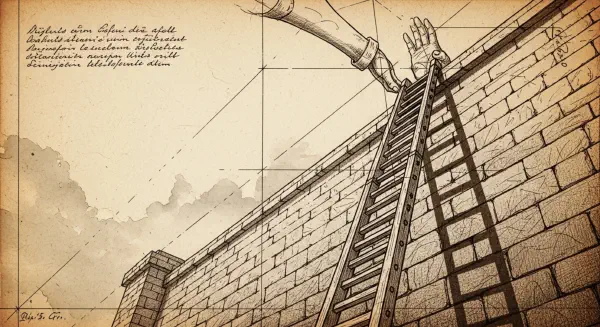
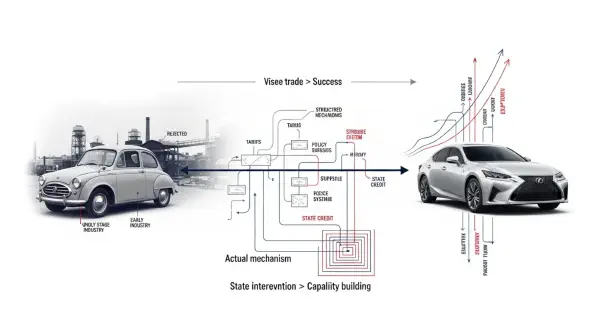
This post examines the development strategies of today's wealthiest nations during the centuries in which they became wealthy, drawing on archival evidence from Britain, the United States, Germany, Japan, and other industrial powers. It places those strategies alongside the policy prescriptions those same countries currently deliver to the developing world. The gap between what rich countries did and what they now recommend is the central subject of the inquiry.
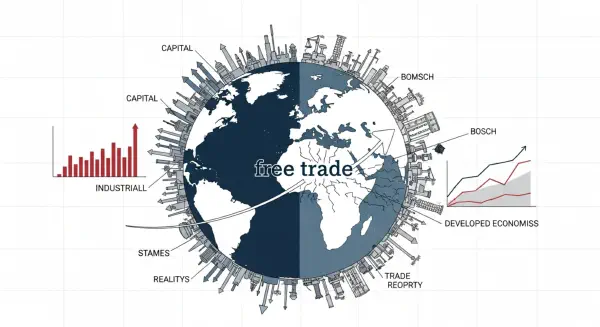
This post examines the dominant narrative about globalization — its origins, its internal logic, and its relationship to the actual historical record. Drawing on comparative development data from the post-war period through the present, it asks whether the policies prescribed to poor countries today bear any resemblance to the policies that made rich countries rich. The stakes are not academic: how a country understands the history of capitalism determines whether it believes it has options.