Virtual Water Trade

The Water Ledger

Freshwater is the binding physical constraint on food production, population geography, and geopolitical stability — yet most of it is priced at zero, measured poorly, and allocated by nineteenth-century law. The Water Productivity Gap quantifies how far below maximum efficiency the world operates, and what the gap means for a planet of 10 billion.
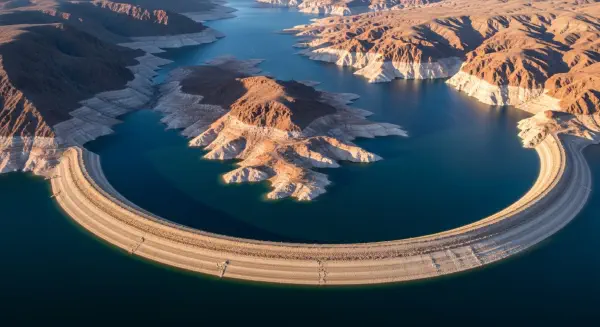
The Water Ledger – Part 4: Pricing the River

Examines the governance architecture of water — nineteenth-century law, political seniority allocation, and sub-economic pricing — against the arithmetic of transboundary conflict, desalination economics, and governed commons.

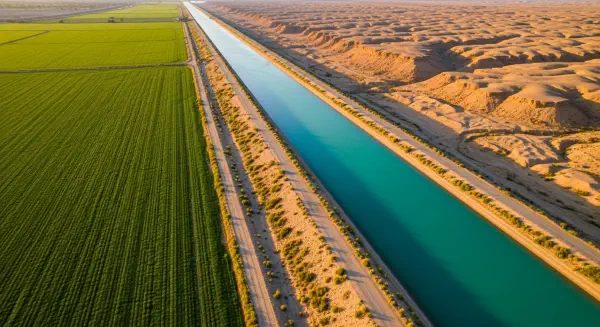
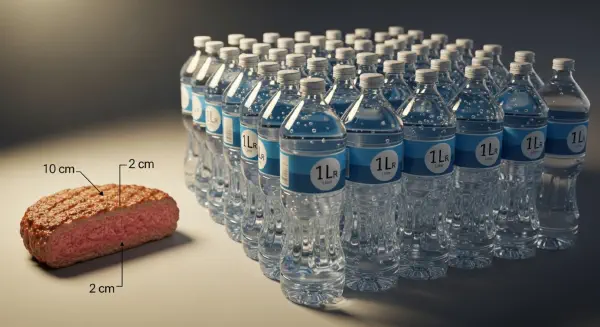
The Water Ledger – Part 3: The Water in Your Hamburger

Applies water productivity data by food type and the Israel irrigation efficiency model to demonstrate that the Water Productivity Gap could be substantially closed through dietary and irrigation change without additional dam construction.

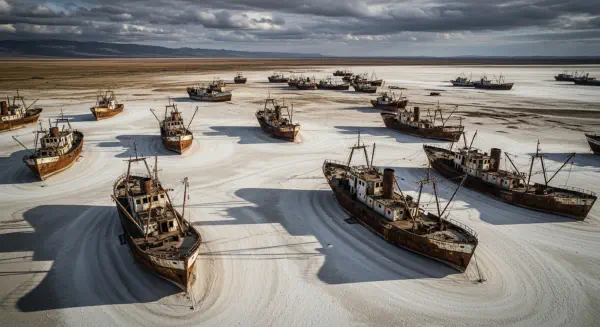
The Water Ledger – Part 2: The Disappearing Sea

Reconstructs the Aral Sea collapse as a Water Productivity Gap failure, and applies the same arithmetic to the Ogallala Aquifer depletion and Saudi Arabia's fossil groundwater draw-down — both proceeding toward the same terminal outcome.

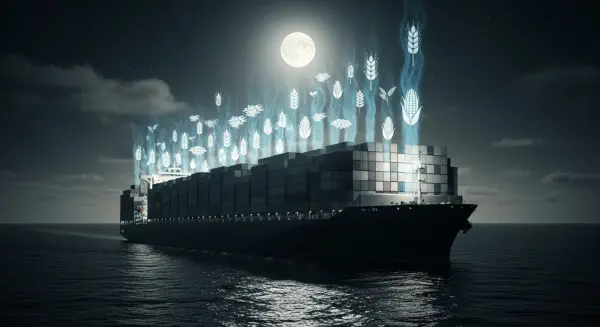
The Water Ledger – Part 1: The Invisible River

Introduces Tony Allan's virtual water concept and applies Water Productivity Gap analysis to show that food trade is a hidden water transfer whose geopolitical implications are rarely captured in trade or food security frameworks.