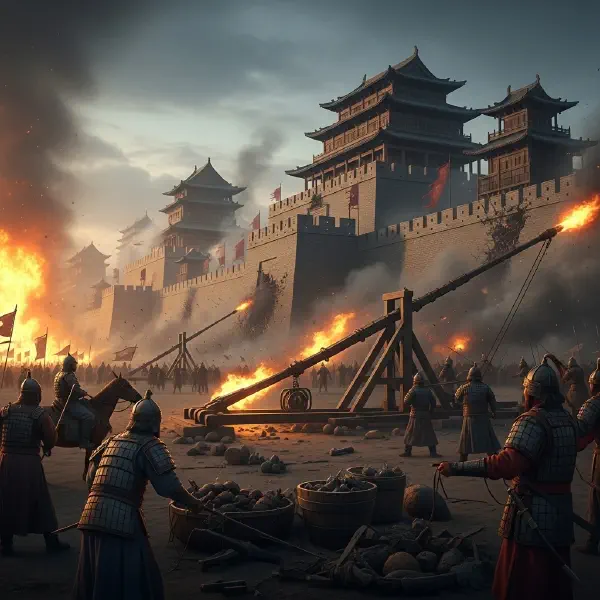
The Mongols were steppe nomads who had never besieged a city. Within decades, they were systematically destroying the greatest fortifications in the world. How did they adapt so quickly – and what does it teach us about organizational learning?
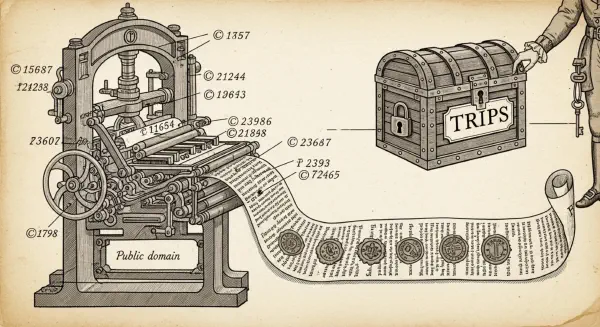
This post examines the history and current architecture of the international intellectual property rights system, tracing its evolution from the first patent law in 15th-century Venice through the 1994 TRIPS agreement. It asks whether the current system reflects a principle of rewarding innovation or a mechanism for managing competition between nations at different stages of technological development.
Key Takeaways # The Consumption Trap: A nation might appear "developed" because its citizens use modern technology, but if it can't produce these tools, it's merely a wealthy consumer. Technology Transfer Illusion: Buying a factory without the underlying knowledge makes it just a "metal box" we don't truly own. Green Industrial Revolution: Shift from heavy, imported industry toward renewable local resources. Rural Industrialization: Build small-scale, high-tech industries in rural areas processing local materials. From Scarcity to Abundance: Stop feeling "poor" for lacking Western machinery; recognize the untapped richness in local resources. In our previous post, we discussed the need to redefine what "development" means philosophically. Now, we move to the hard numbers: The Economy.
When we talk about a country's success, we almost always point to the Gross Domestic Product (GDP). If the number goes up, we celebrate. But Dr. Hamed El-Mously argues that for developing nations, this metric can be a dangerous mask. It often hides a reality of deep dependency rather than true strength.
Key Takeaways # The "Confused Present": Many developing societies are racing toward the future without a clear destination, trapped in consumption rather than production. Technology Transfer Illusion: Buying a factory doesn't mean acquiring technology—technology is the knowledge and capability to design, build, and adapt. Cultural Code: Development cannot be air-dropped onto a society; it must be compatible with its values, history, and social fabric. Endogenous Development: Growth that comes from within, valuing traditional knowledge and local resources. Core Question Shift: Move from "How can we buy what they have?" to "How can we solve our problems using what we have?" In a world obsessed with GDP figures, skyscrapers, and the latest tech trends, it is easy to mistake "modernization" for "development." We often look at developed nations and think the path forward is simply to copy their output—to buy their machines, adopt their lifestyle, and import their systems.