Not all problems are solved equally. This post explores the fundamental difference between fixed analysis and open design, detailing the systematic strategies engineers use—from rigorous testing (robust design) to forensic disassembly (reverse engineering)—to master complexity.
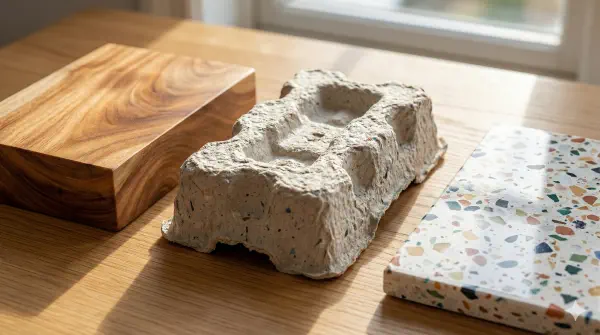
Navigate the sustainability of wood, engineered materials, paper, and ceramics—understanding carbon sequestration, responsible forestry, and end-of-life challenges.
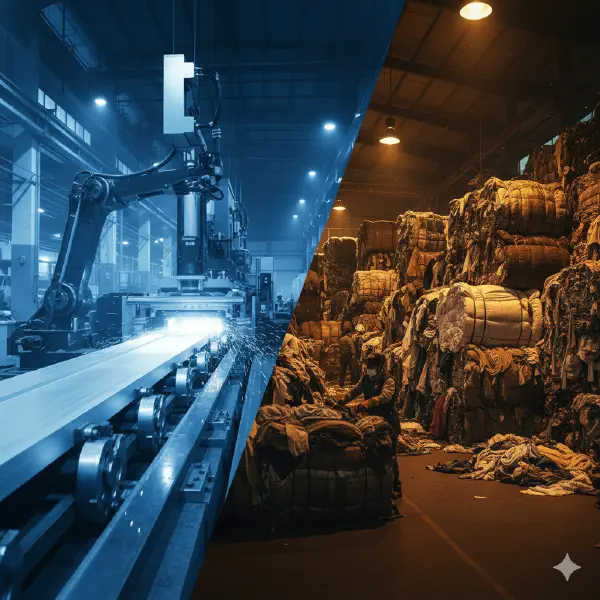
Understand the distinct sustainability challenges of textiles (recycling complexity) and metals (high emissions), and discover innovations in chemical recycling and material blending.
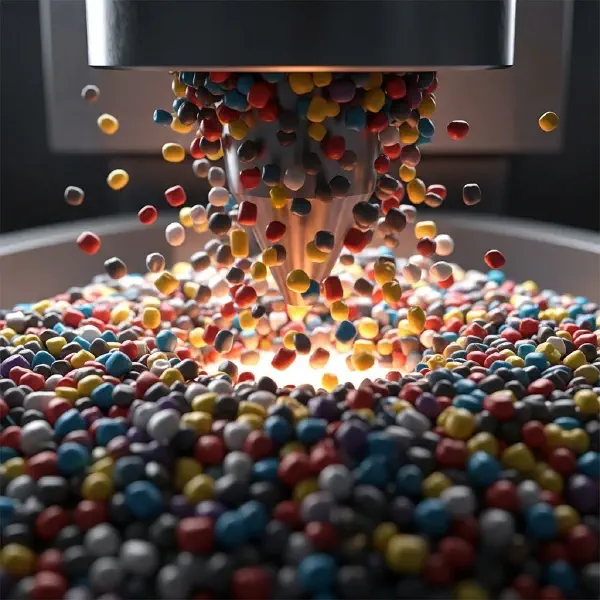
Learn how to decode life-cycle assessment frameworks, understand the carbon cycle, and navigate the plastic waste crisis that defines modern material selection.
Key Takeaways # The Cultural Code: Just as DNA dictates biological growth, culture dictates how a society functions—imported solutions often carry incompatible "codes." Tradition as Resource: Traditional knowledge is a reservoir of wisdom that has survived centuries because it works. Weaving, Not Assembling: Development should intertwine new threads with old ones to create continuous fabric, not replace the old carpet with plastic. Institutional Harmony: Institutions must reflect community values like solidarity, resourcefulness, and respect for nature. The Dual Society Problem: Modern institutions often disconnect from informal street-level reality, creating dysfunction. We have built the philosophy, the economic engine, and the human workforce. But why do so many development projects in the Arab world still fail? Why do "modern" systems often collapse or become corrupt when applied to our reality?
In this fourth step, Dr. Hamed El-Mously points to the missing link: The Cultural Context. He argues that you cannot simply "copy-paste" a Western institution (like a specific management style or a legal framework) into a developing society and expect it to work.
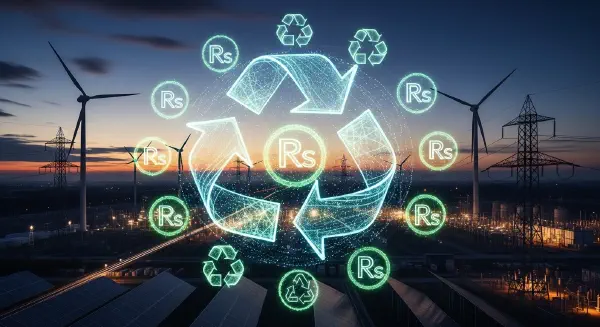
Explore the circular economy revolution in energy systems through the expanded 10 R-framework, from refuse and rethink to re-mine, transforming linear consumption into sustainable resource loops.
Concluding the series with a vision of design's future role in addressing global challenges through sustainable, situated, and socially responsible approaches.