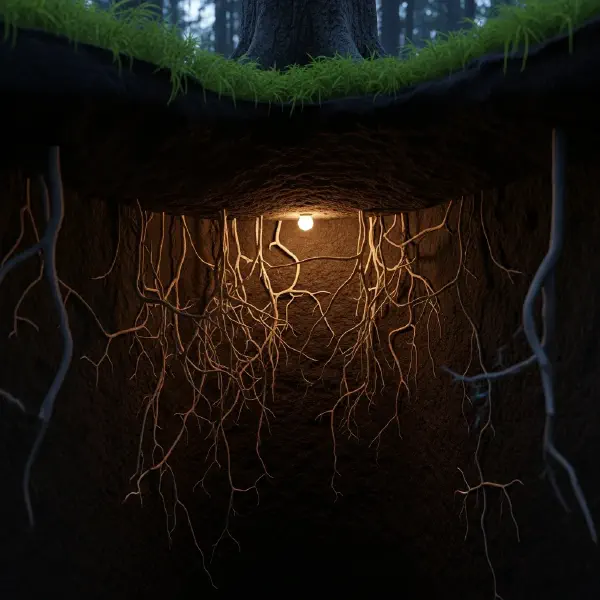
A deep dive into how biological systems achieve remarkable resilience through decentralized design, offering lessons for human engineering and crisis response.
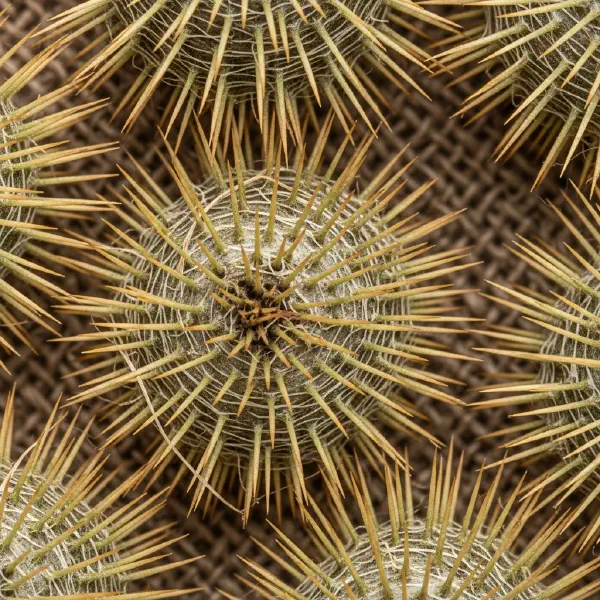
Exploring biomimicry as a strategy for innovation, using examples like Velcro from burrs to demonstrate how borrowing evolved biological mechanisms can bypass human path dependency.
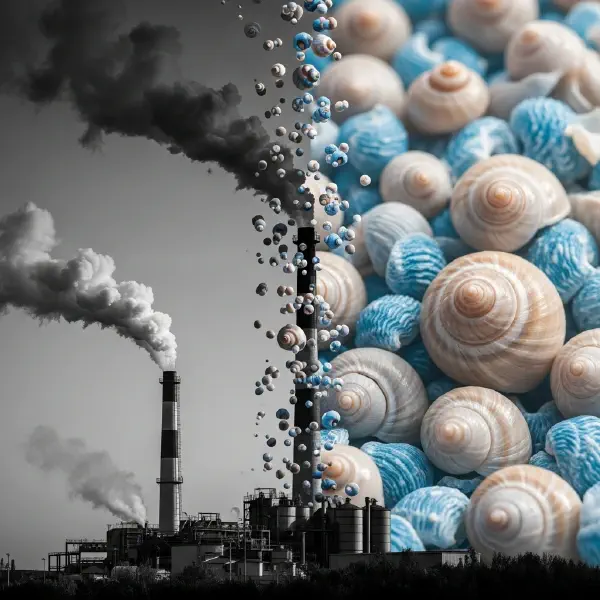
Humanity's industrial paradigm is failing. This series explores how biomimicry—learning from nature's 3.8 billion years of R&D—offers a path to sustainable innovation and economic transformation.
Most young ladies sunning by the pool aren't thinking about a hippopotamus, but its perspiration reveals nature's superior engineering. This post explores why 3.8 billion years of natural R&D matters for human innovation.
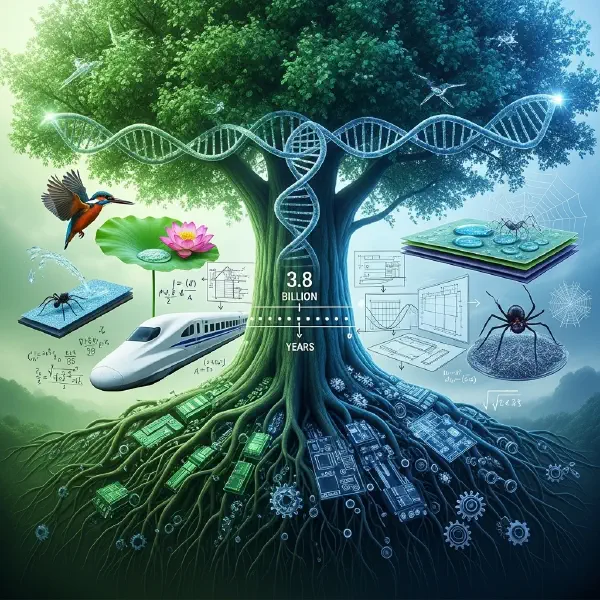
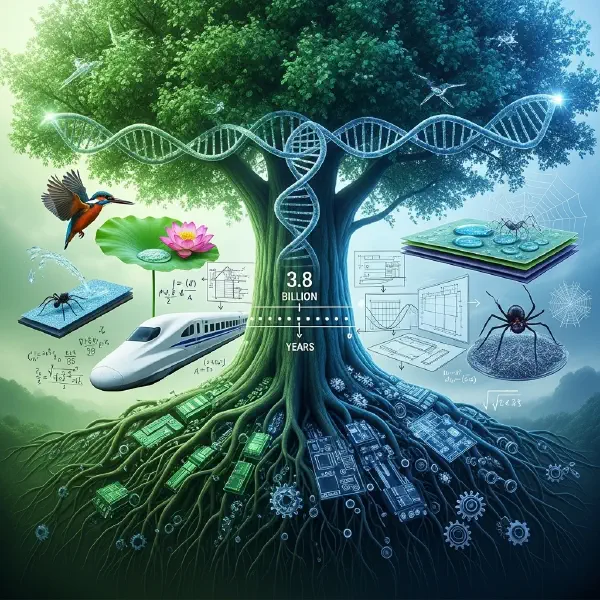
How 3.8 billion years of evolution created solutions that modern engineers are just beginning to copy. From bullet trains inspired by kingfishers to wind turbines modeled on whale fins, discover the extraordinary science of biomimicry.
For millennia, humans built things the hard way. Now we're discovering that nature solved most of our engineering problems billions of years ago. Welcome to the quiet revolution called biomimicry.
A seven-part exploration of biomimicry principles and their implications for human design, from optimization under constraint to the limits of biological analogy.