An accessible introduction to military engineering through history – from Roman castra and medieval siege engines to WWI tanks and WWII submarines. Perfect for students and history enthusiasts.
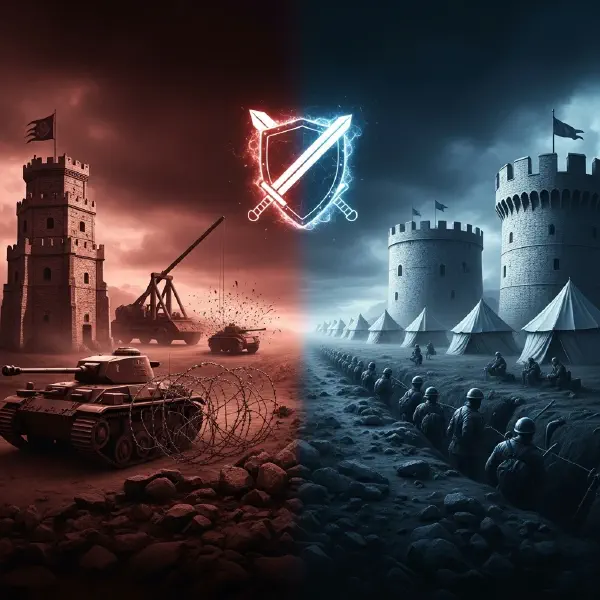
An analytical journey through military engineering history, exploring the perpetual arms race between offensive and defensive technologies—from Archimedes' war machines to the tank that broke the trenches.
Military spending looks like a black hole for taxpayer money. But economic analysis of the Swedish Gripen jet reveals a counter-intuitive truth: the civilian spillovers were so valuable they paid for the entire program – and then some.
Discover how wartime engineers built floating ports, prefabricated bridges, and organized the greatest truck convoy in history to supply millions of troops during the D-Day invasion. The untold story of the engineering marvels that won World War II.
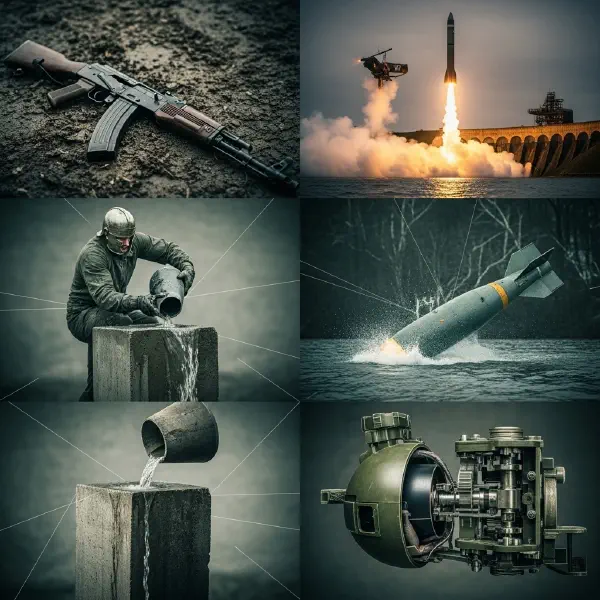
Discover six counter-intuitive engineering secrets that changed warfare forever: why 'good enough' beats perfection, how Roman concrete heals itself, and how a child's game inspired a dam-busting superweapon.
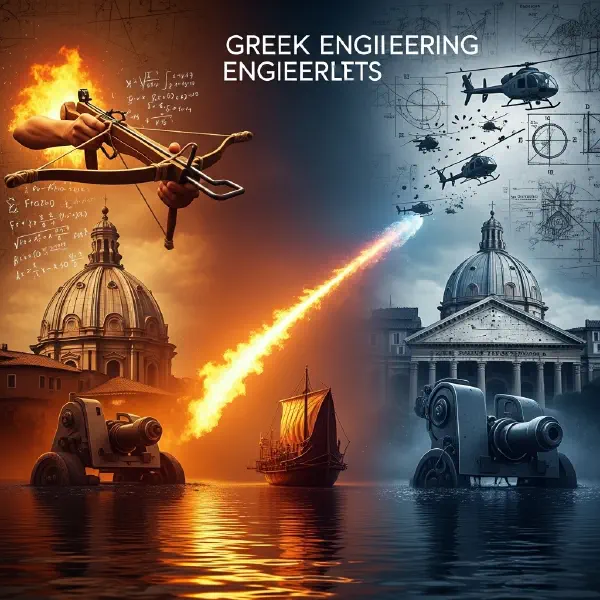
Discover five counter-intuitive secrets of ancient military engineering: Byzantine state secrets protected by angels, artillery built with cubic equations, and organic materials that outperform modern steel.
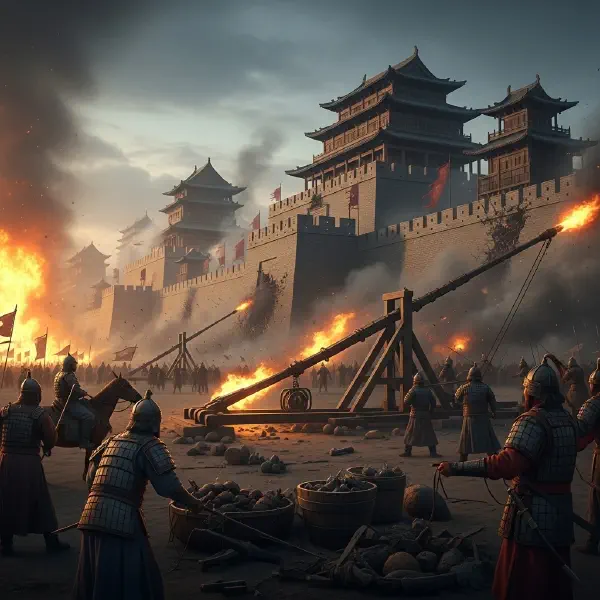
The Mongols were steppe nomads who had never besieged a city. Within decades, they were systematically destroying the greatest fortifications in the world. How did they adapt so quickly – and what does it teach us about organizational learning?
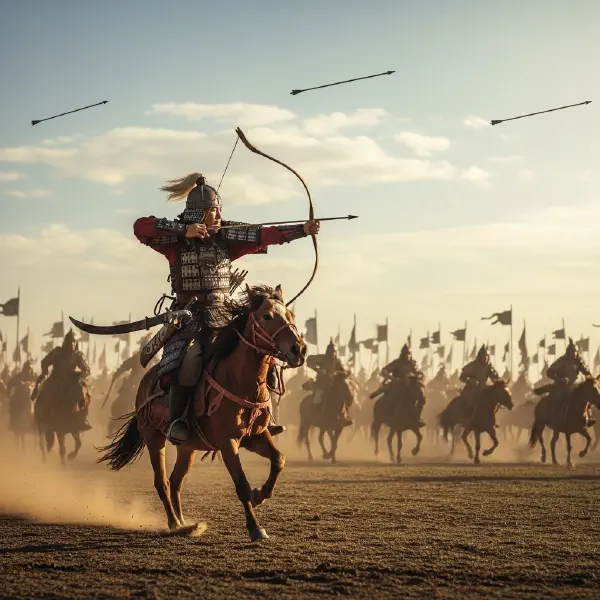
The Mongol army was history's most effective military force relative to its size. These five innovations explain how 100,000 warriors conquered half the known world – and why their organizational principles still matter today.