A critical analysis of how the green energy transition is creating new forms of concentrated power across minerals, technology, capital, geopolitics, and social inequality.
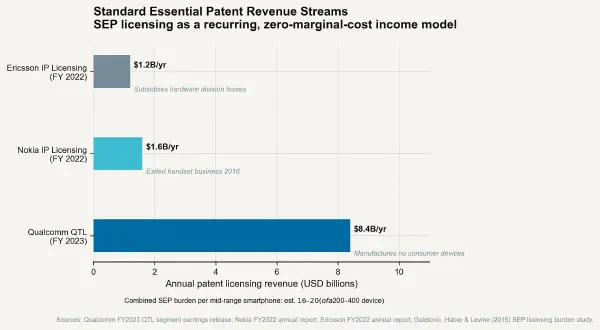
How winning the standards race generates perpetual licensing revenue — and why standard-essential patent dominance is the highest-return engineering investment in technology.
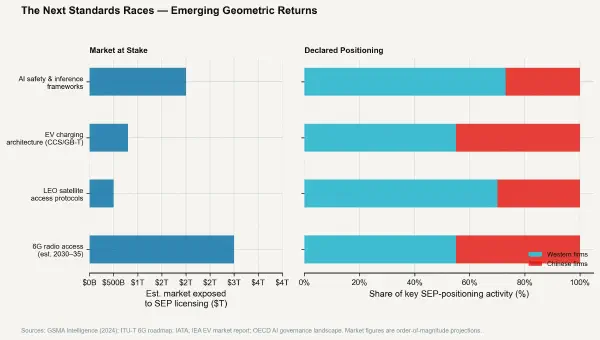
Analyses the AI safety framework, EV charging architecture, and satellite communications standards being written now as the next SCI competition — identifying who is positioned to capture the next generation of licensing revenue.
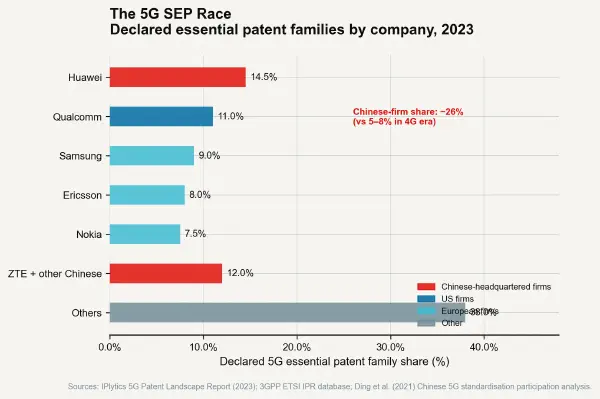
Examines 3GPP standards negotiation as a geopolitical and commercial competition, where Huawei's declared SEP strategy represents an attempt to reverse Western Standard Capture Index dominance.
Documents how standard-essential patents and FRAND licensing created a permanent infrastructure tax on global wireless manufacturing, with Qualcomm's licensing model as the clearest current specimen of SCI capture.
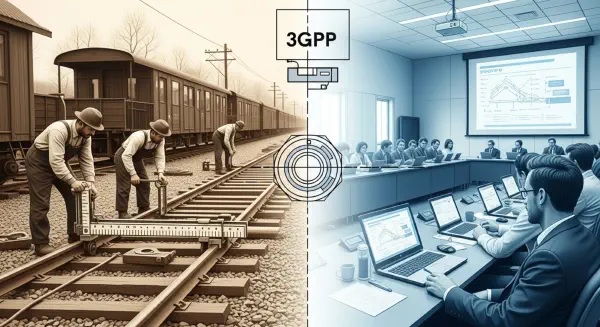
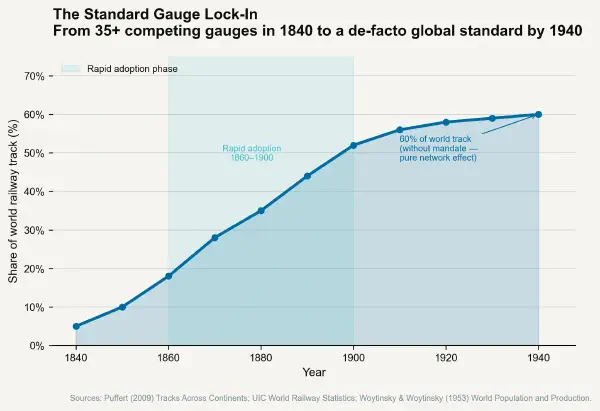
Traces standard lock-in mechanics from 19th-century railroad gauges to USB-C, establishing that the economic structure of standard capture — and its perpetual revenue potential — is architecturally unchanged.
This post examines the history and current architecture of the international intellectual property rights system, tracing its evolution from the first patent law in 15th-century Venice through the 1994 TRIPS agreement. It asks whether the current system reflects a principle of rewarding innovation or a mechanism for managing competition between nations at different stages of technological development.