Reflections on Development - Part 5: The Synthesis - Turning Reflections into Collective Action
·718 words·4 mins
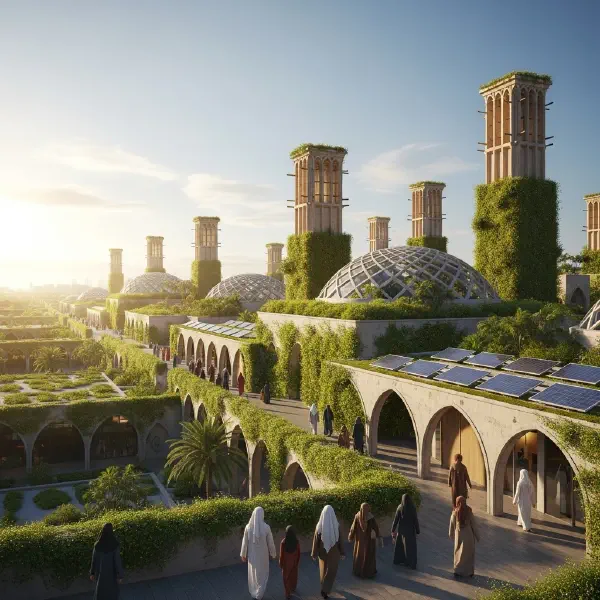
Key Takeaways # Holistic Vision: You cannot fix the economy without fixing culture; you cannot empower the poor without giving them technology—everything is connected. For Individuals: Be a conscious consumer—value local products and recognize the “cultural code” in what you buy. For Professionals: Design for reality—use modern knowledge to upgrade the local reality of farmers and craftsmen. For Policymakers: Invest in “Know-Why,” not just “Know-How”—build a National System of Innovation focused on local challenges. The Green Opportunity: Leapfrog dirty industrialization by utilizing renewable biological resources and solar energy. We have traveled a long road in this series. We started by rethinking the very definition of development (Part 1), challenged the way we measure economic success (Part 2), recognized the untapped potential of the poor (Part 3), and acknowledged the vital role of our cultural code (Part 4).
But as Dr. Hamed El-Mously reminds us, “Reflections” are useless if they remain trapped in a book. The ultimate goal is Synthesis—bringing these disparate ideas together to fuel a movement of change.