Forced Migration

The Displacement Economy: What Happens to People Who Survive

A five-part series examining the system-level failure hidden behind displacement statistics: 117 million people forcibly displaced worldwide, a median exile duration exceeding 20 years, and an international framework built around a crisis it was never designed to make permanent.
The Displacement Economy – Part 5: What 'Return' Actually Means

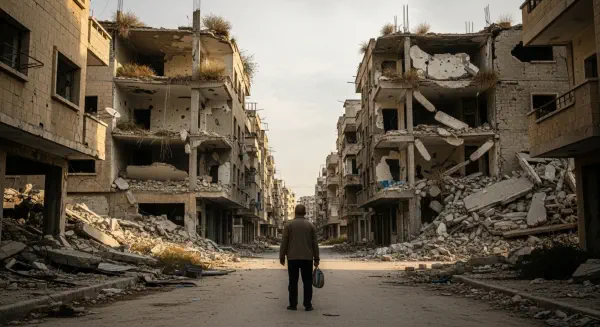
In 2018, Syrian regime officials announced that conditions for refugee return were safe. In the seven years since, fewer than 6% of Syria's 5.4 million registered refugees have gone back. Most of those who tried, re-fled. The gap between 'return' as a policy goal and 'return' as a lived event is the measure of what the displacement economy has actually built.

The Displacement Economy – Part 1: The 20-Year Exile

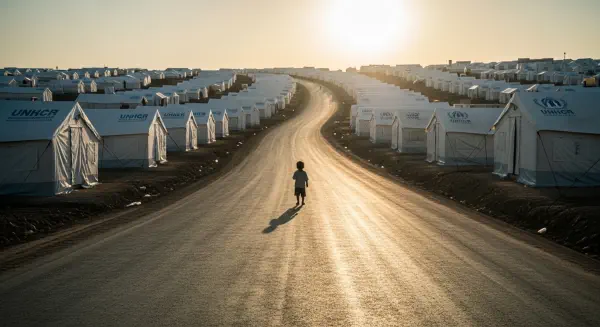
In 1992, UNHCR opened a camp in northern Kenya for Somali refugees fleeing civil war. It was designed as a temporary measure. In March 2026, it is still operating. The data on protracted displacement tells a story that the word 'temporary' was never equipped to describe.