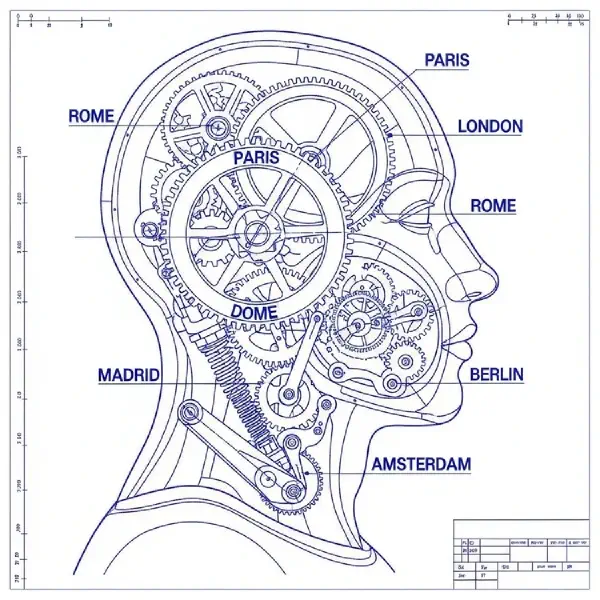
An accessible introduction to military engineering through history – from Roman castra and medieval siege engines to WWI tanks and WWII submarines. Perfect for students and history enthusiasts.
This installment explores how colonial powers deliberately trained local elites in Western institutions to serve as permanent structural intermediaries, creating a 'brain colonization' that outlasts military occupation.
Key Takeaways # The Poor as Solution: Marginalized communities display incredible ingenuity to survive—they are not a burden but an untapped resource. Innovation for the Poor: True human development means empowering natural creativity, not giving handouts. Education Disconnect: Current education often prepares students for jobs that don't exist while devaluing practical, hands-on work. Contextual Education: Teaching should focus on local technology, local resources, and solving local problems. Bridging the Divide: We need engineers and scientists who work alongside craftsmen and farmers, merging modern science with traditional wisdom. We have looked at the philosophy and the economy. Now, we arrive at the most critical asset any nation possesses: Its People.
In many conventional development models, the poor are often viewed as a "burden"—a statistic that needs to be managed, fed, or subsidized. Dr. Hamed El-Mously radically challenges this view in Reflections on Development. He argues that the poor are not the problem; they are the solution.
Examining why the educated class becomes indispensable to harmful systems, not by enforcing violence but by providing explanations that make harm seem inevitable.
The first installment explores how colonialism created lasting intellectual dependency through carefully designed educational systems that groomed local elites to perpetuate Western values long after formal decolonization.