A three-part forensic series exposing how lifecycle assessment is not neutral science but a contested political arena, where methodological choices determine winners, hide impacts, and shape trillion-dollar transitions.
Conducts a post-mortem on the diesel scandal, showing how optimizing for one accounted metric (CO₂) while ignoring unaccounted others (NOₓ) engineered a public health catastrophe.
Deconstructs the controversial economic models behind the Social Cost of Carbon, examining how a single, abstract number justifies inaction or triggers radical policy.
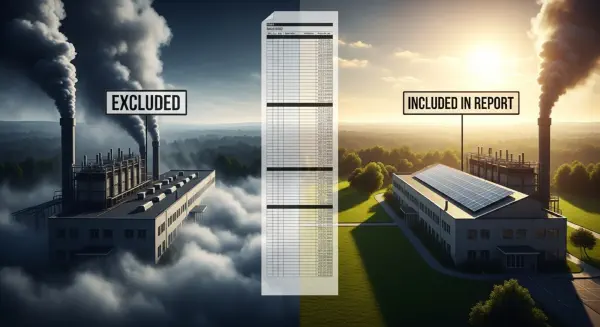
Reveals how the deliberate selection of system boundaries in environmental accounting allows corporations and nations to offshore emissions and claim false progress.
A three-part forensic series examining how EU regulatory design, industry lobbying, and a permanently flawed test cycle produced 250 million stranded assets and an unpaid public health invoice of historic scale.
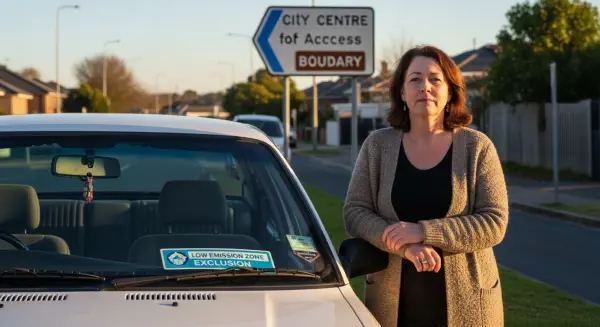
Maps the residual value collapse, urban low-emission zone expansion, and the political economy of cost displacement — identifying precisely who absorbs the RGC that manufacturers, regulators, and member states declined to price.
Introduces the Regulatory Gap Cost (RGC) metric and applies it manufacturer by manufacturer, Euro standard by Euro standard, to produce the aggregate health liability that existing settlements have left largely unaddressed.
Traces the three regulatory instruments — CO₂-only fleet targets, diesel fuel tax differentials, and the NEDC test cycle — that made diesel Europe's dominant powertrain and made Dieselgate structurally inevitable.