
Development Economics

The Debt Architecture – Part 5: The Architecture of Escape
·2031 words·10 mins
Uganda reduced its debt-to-GDP ratio from 96% to 28% after HIPC completion and has kept it there for twenty years. Botswana has never been in debt distress despite being a resource economy. Ecuador's 2023 Galápagos debt-for-nature swap saved $390 million in interest payments while funding marine conservation. The countries that escaped the debt architecture share five characteristics. None of them is luck.

The Debt Architecture – Part 4: The Default Trap
·1700 words·8 mins
When Zambia defaulted in 2020, it entered a restructuring process that took 46 months. During those 46 months it was locked out of capital markets, its currency fell 44%, and its infrastructure pipeline froze. The haircut it achieved was 18% in NPV terms. Its projected return to markets carries an 800-basis-point spread. The arithmetic of default suggests that the savings from restructuring may be outweighed by the cost of re-entry.

The Debt Architecture – Part 3: What Austerity Cuts
·1690 words·8 mins
The IMF's debt-to-GDP framing measures stock. It does not measure what is being cut. The Social Spending Displacement Ratio makes the mechanism visible: Zambia paid creditors $2.28 for every dollar it spent on health and education combined. Six of the fifteen countries in this analysis have SSDRs above 1.0. The cuts are not random. They follow the logic of what is politically easier to reduce.
The Debt Architecture – Part 1: The Double Bind
·1790 words·9 mins
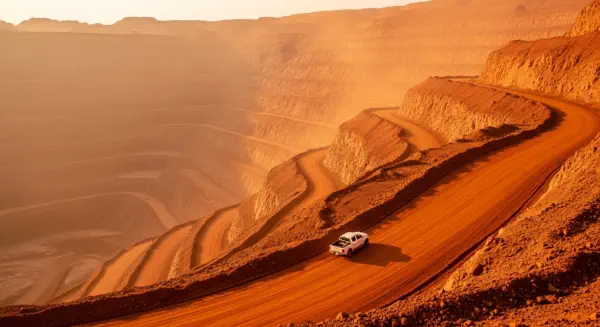
Zambia borrowed at 8.6% in US dollars to build infrastructure in a country whose primary export revenue comes from copper. In 2014, copper prices fell 45%. In 2022, the dollar strengthened 27%. By 2020, Zambia's debt service consumed 2.3 times its combined health and education spending. The trap was not corruption. It was arithmetic.
The Debt Architecture: How Sovereign Borrowing Became a Mechanism of Permanent Extraction
·531 words·3 mins
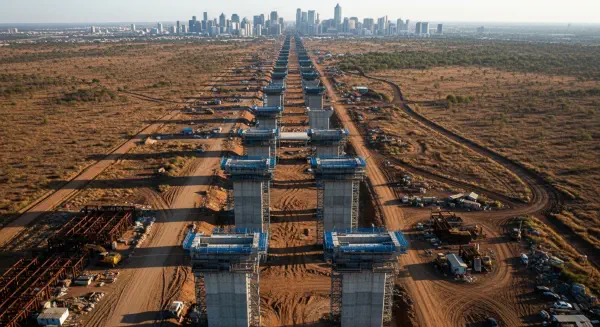
A five-part series examining how the arithmetic of dollar-denominated borrowing, a fragmented creditor landscape, and an international restructuring architecture designed for a different era combine to trap developing economies in a cycle of debt that systematically displaces spending on health and education.

The Resource Curse: Why Oil Wealth Destroys Nations – And How One Country Escaped
·1715 words·9 mins
Most oil-rich nations suffer economic decline, corruption, and political instability. Norway did the opposite. Here's the counterintuitive economics of why natural wealth usually destroys nations – and the specific policies that made Norway the exception.
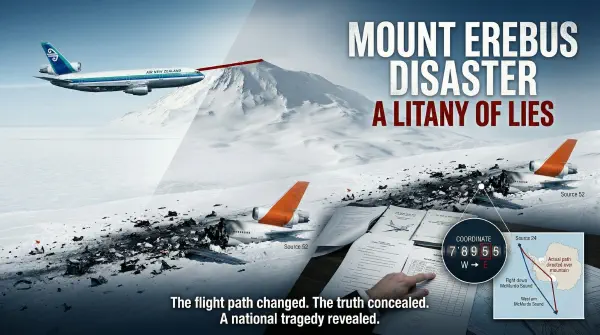
Mount Erebus Disaster: A Litany of Lies
·1795 words·9 mins
History and Critical Analysis
Infant Industry Protection
Development Economics
Trade Protectionism
Industrial-Policy
Comparative Advantage
Free Trade
Economic-History
South Korea
United-States
England
Finland
Nokia
Political Economy
Policy and Critique
Trade and Supply Chains
Development and Inequality

The Monopoly of Progress – Part 5: Reclaiming the Tools of Prosperity
·117 words·1 min
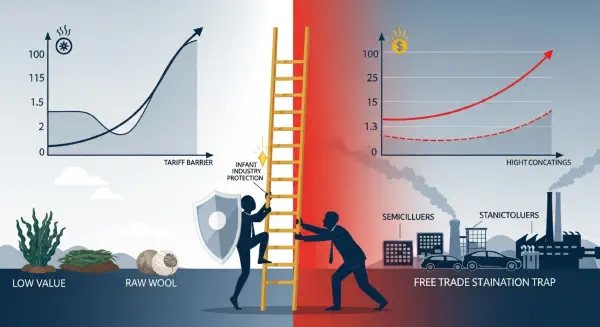
How the future of global prosperity depends on rewriting the rules to allow every nation a fair climb.