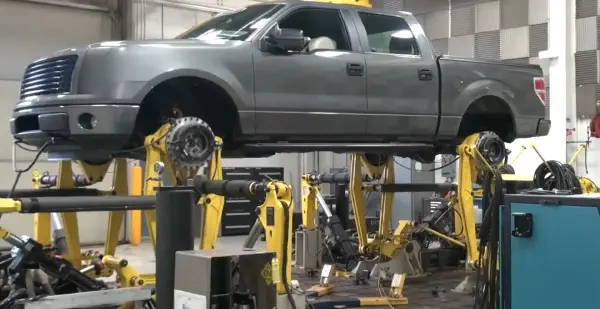
What happens when you run a battery electric vehicle for 400,000 kilometres in four years? The fleet data is just coming in — and it’s rewriting everything the industry thought it knew.
A five-part exploration of how manufacturers deliberately design products to fail, from the Phoebus Cartel to modern software lock-ins and repair prevention.
Breaking technological path dependency through biomimicry and deliberate ecosystem design, with modular standards, open-source models, and regulatory foresight to enable more resilient innovation.
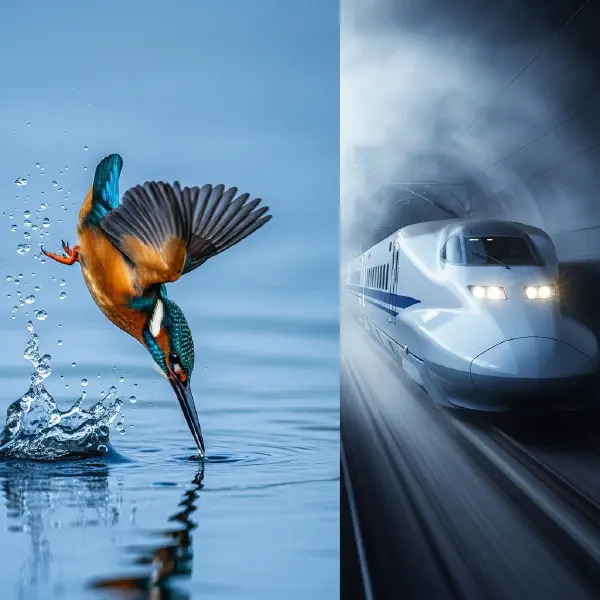
How biomimicry solved Japan's Shinkansen tunnel noise crisis by redesigning train noses after kingfisher beaks, demonstrating how natural constraints can reshape technological evolution.