
Colonialism

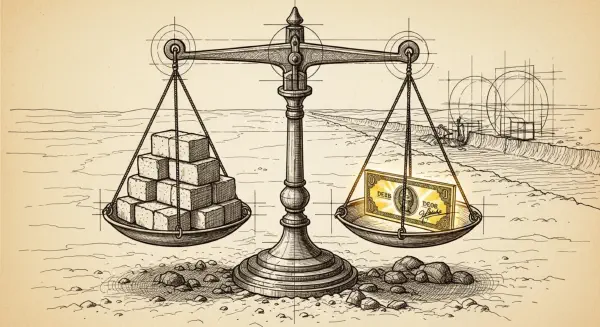

The Canal That Broke Egypt: How a Ditch Became a Debt Trap
·504 words·3 mins
A four-part forensic examination of how the Suez Canal concession of 1854 set in motion a chain of financial, agricultural, and sovereign losses that culminated in British occupation. Anchored in primary sources and economic data.
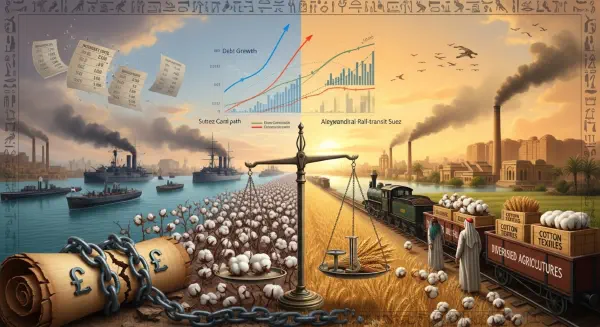
'The Canal That Broke Egypt – Part 5: Egypt's Developmental Divergence, 1820–1920: A Mathematical Model of the Suez Canal's Economic Consequences
·2323 words·11 mins
From the forced sale of canal shares in 1875 to the British occupation of 1882 to the cotton monoculture that turned a food-exporting nation into a food importer — the endpoint of a chain that began with a handshake in 1854.
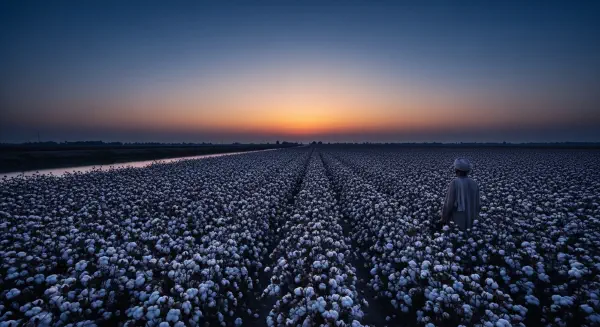
The Canal That Broke Egypt – Part 4: The Harvest of Dependence
·1508 words·8 mins
From the forced sale of canal shares in 1875 to the British occupation of 1882 to the cotton monoculture that turned a food-exporting nation into a food importer — the endpoint of a chain that began with a handshake in 1854.
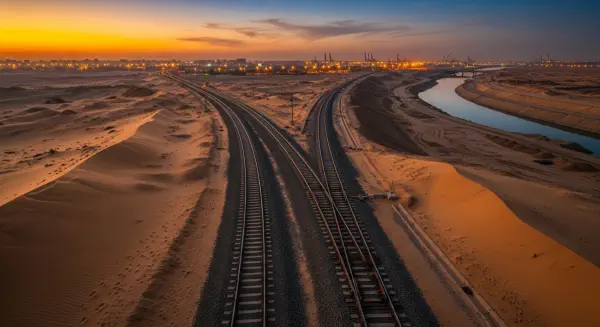
The Canal That Broke Egypt – Part 3: The Road Egypt Never Took
·1266 words·6 mins
Egypt already had a working transit corridor before the canal opened. This post reconstructs what a rail-based developmental state could have produced — and why it was never allowed to exist.
The Canal That Broke Egypt – Part 2: The Arithmetic of Ruin
·1311 words·7 mins
How £6 million in construction debt became £100 million in sovereign liability, and how European bankers ensured that Egypt paid three times over for a canal it did not own.
The Canal That Broke Egypt – Part 1: The Handshake That Cost a Nation
·1191 words·6 mins
How a friendship between a French diplomat and an overweight Egyptian prince produced the most consequential — and lopsided — infrastructure contract of the nineteenth century.
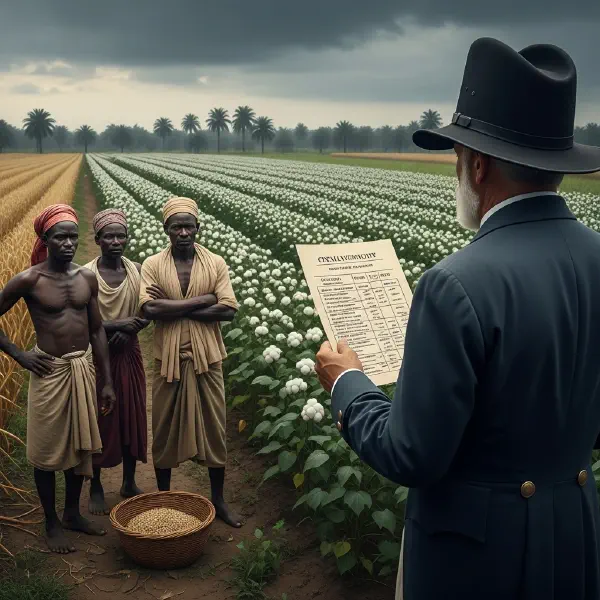
Hunger is Man-Made - Part 2: Engineered Vulnerability: When Famine Becomes an Act of History
·756 words·4 mins
Famines are not inevitable natural disasters—they are engineered by political and economic systems. Explore how colonial cash crops created vulnerability and how societies that prioritize food security avoid famine.