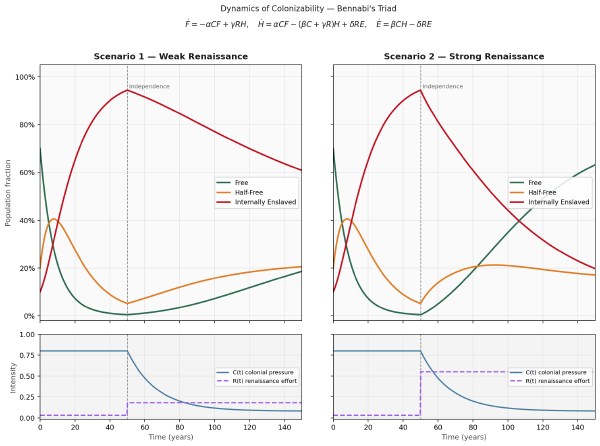
A simple dynamical systems model that captures the core logic of the essay: three psychological types evolving under colonial pressure and an internal renaissance force.
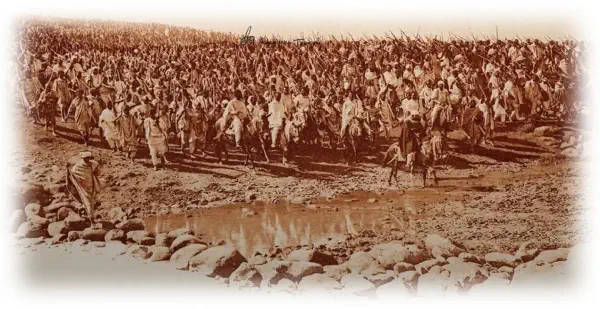
In the spring of 1891, Emperor Menelik II of Ethiopia dispatched a circular letter to the crowned heads of Europe... 'Ethiopia has need of no one; she stretches out her hands unto God.'
The idea had animated the rebellion—that Africans of different languages and chiefdoms could unite against a common oppressor—did not die with its prophet. It seeped into the soil of Tanganyikan politics and lay dormant for a generation, until it re-emerged in the mass nationalism of the 1950s.
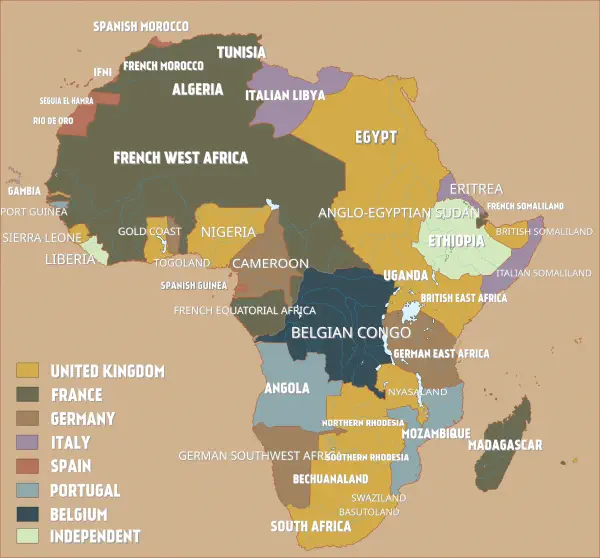
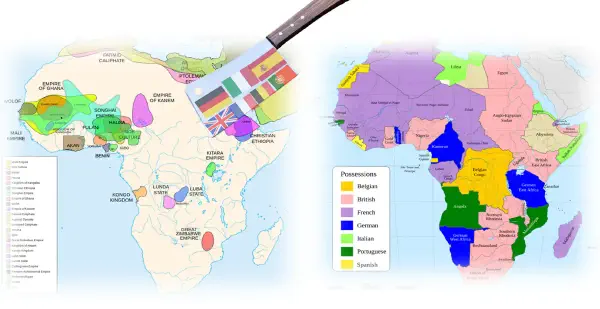
When the Bakongo people first learned that they had been divided, it was not through an official proclamation or a treaty ceremony. A hunter following a familiar trail through the forest might encounter a new flagpole, a wooden post painted in the colours of Portugal, or France, or Leopold’s Congo Free State.
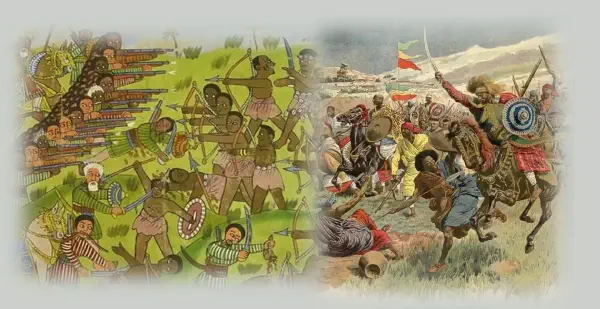
The Ethiopian army had not merely won. It had annihilated a European force in open field, something no other African army had achieved. The victory secured Ethiopian sovereignty for the next four decades and made Menelik a hero across the black world.
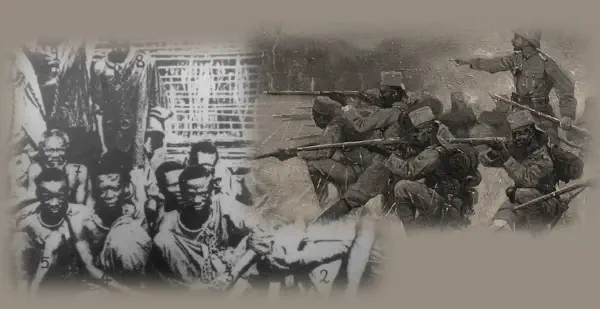
Much of the conquest was outsourced to limited-liability companies whose directors sat in boardrooms in the City of London, the Bourse, and the Brussels Bourse. These companies raised their own armies, signed their own treaties, collected their own taxes, and dispensed their own justice.
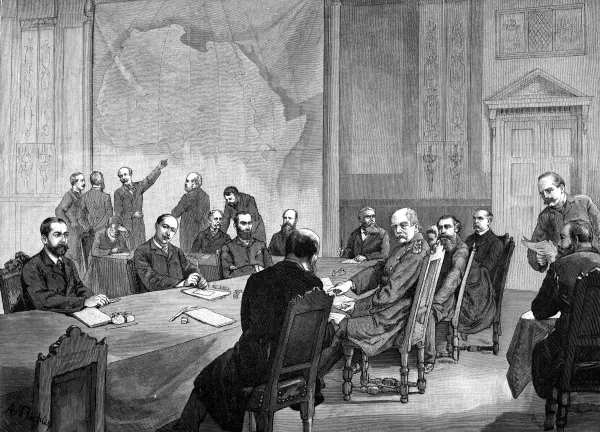
The treaties that made the conquest of Africa possible were, in Lugard's own words, 'utter fraud.' Yet they were accorded full diplomatic recognition by every European chancellery.