

China

The Debt Architecture – Part 2: The Creditor Architecture
·1749 words·9 mins
In 2000, the Paris Club — a group of wealthy bilateral creditors with agreed restructuring norms built over fifty years — held 55% of low-income country debt. By 2024 that share had fallen to 12%. China holds 32%. Private bondholders hold 34%. Neither is bound by Paris Club conventions. The G20's replacement mechanism took 32 months to produce a preliminary deal with Zambia.

The Horsehair Worm Protocol: Engineering Strategic Despair
·451 words·3 mins
A historical exploration of how parasitic mechanisms in biology mirror geopolitical strategies of engineering despair through addiction and economic manipulation.

Why China Is Not Carthage—and Why That Terrifies the Roman System
·1427 words·7 mins
A historical analysis of the resemblance between the US and Rome, and China and Carthage.
The Rare Earth Gambit
·823 words·4 mins
Systemic Risk, Failure & Societal Impact
Critical Minerals
Rare Earth Elements
Lithium
Cobalt
Nickel
Supply-Chain
Processing Concentration
PCI
IRA
China
Resource Nationalism
Battery Supply Chain
Power, Policy & Dependency Structures
Systemic Fragility, Risk & Societal Impact
Externalities & Lifecycle Displacement
Design Trade-Offs & Optimization Limits
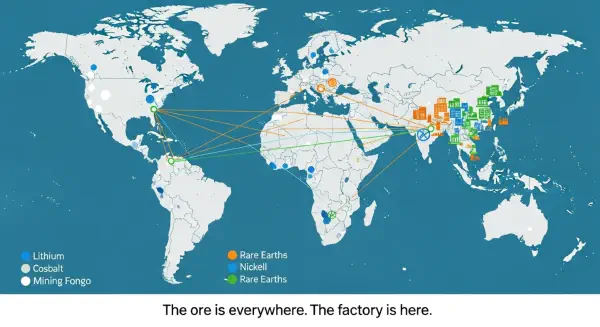
A four-part forensic series introducing the Processing Concentration Index (PCI) to reveal that the critical mineral supply chain's true vulnerability sits in the processing layer — a chokepoint three times more concentrated than mining, and one that current mineral security policy was designed not to measure.
The Rare Earth Gambit – Part 4: The Resource Nationalism Cycle — When Mining Countries Claim the Processing Premium
·1475 words·7 mins
Systemic Risk, Failure & Societal Impact
Critical Minerals
Rare Earth Elements
Lithium
Cobalt
Nickel
Supply-Chain
Processing Concentration
PCI
IRA
China
Resource Nationalism
Battery Supply Chain
Power, Policy & Dependency Structures
Systemic Fragility, Risk & Societal Impact
Externalities & Lifecycle Displacement
Design Trade-Offs & Optimization Limits
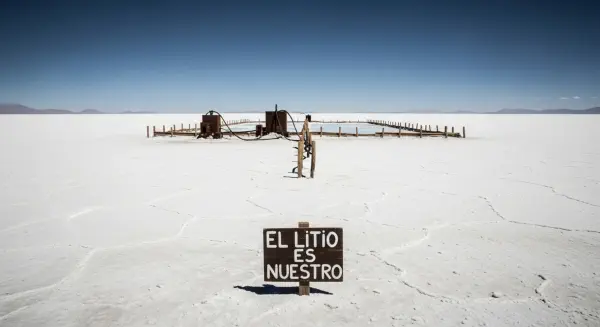
Examines how resource-rich nations are using domestic processing mandates to capture value from refining, and traces the PCI response to this structural shift in the global critical minerals balance.
The Rare Earth Gambit – Part 3: The Policy Response Audit — What Minerals Security Partnerships Actually Secure
·1172 words·6 mins
Systemic Risk, Failure & Societal Impact
Critical Minerals
Rare Earth Elements
Lithium
Cobalt
Nickel
Supply-Chain
Processing Concentration
PCI
IRA
China
Resource Nationalism
Battery Supply Chain
Power, Policy & Dependency Structures
Systemic Fragility, Risk & Societal Impact
Externalities & Lifecycle Displacement
Design Trade-Offs & Optimization Limits
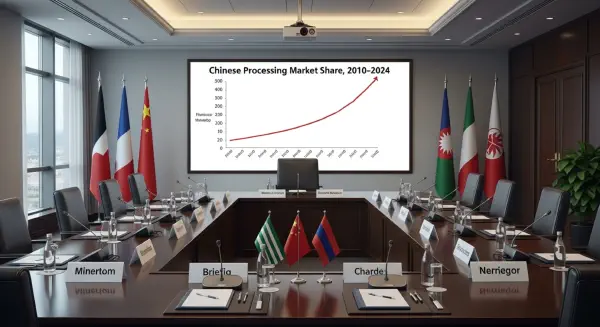
Audits the Minerals Security Partnership and bilateral mineral agreements against the PCI data to evaluate what is actually being secured versus what policy statements claim.
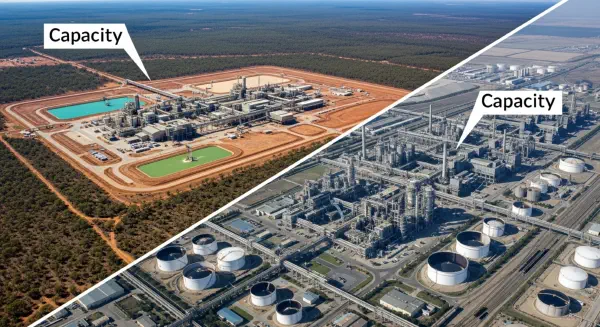
The Rare Earth Gambit – Part 2: The Processing Chokehold — China's Refinery Network and the IRA's Miscalibration
·1274 words·6 mins
Systemic Risk, Failure & Societal Impact
Critical Minerals
Rare Earth Elements
Lithium
Cobalt
Nickel
Supply-Chain
Processing Concentration
PCI
IRA
China
Resource Nationalism
Battery Supply Chain
Power, Policy & Dependency Structures
Systemic Fragility, Risk & Societal Impact
Externalities & Lifecycle Displacement
Design Trade-Offs & Optimization Limits
Applies the Processing Concentration Index to lithium, cobalt, nickel, and manganese to demonstrate that the IRA's critical minerals provisions are calibrated to the wrong chokepoint in the supply chain.
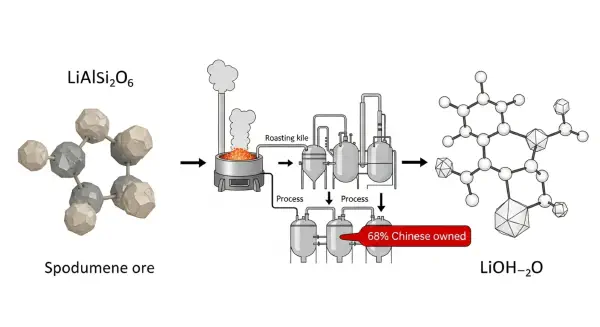
The Rare Earth Gambit – Part 1: The Mineral Map — What the Battery Supply Chain Actually Requires
·1155 words·6 mins
Systemic Risk, Failure & Societal Impact
Critical Minerals
Rare Earth Elements
Lithium
Cobalt
Nickel
Supply-Chain
Processing Concentration
PCI
IRA
China
Resource Nationalism
Battery Supply Chain
Power, Policy & Dependency Structures
Systemic Fragility, Risk & Societal Impact
Externalities & Lifecycle Displacement
Design Trade-Offs & Optimization Limits
Maps the critical mineral requirements of lithium-ion battery manufacture and establishes the supply chain geography that Processing Concentration Index analysis must navigate.