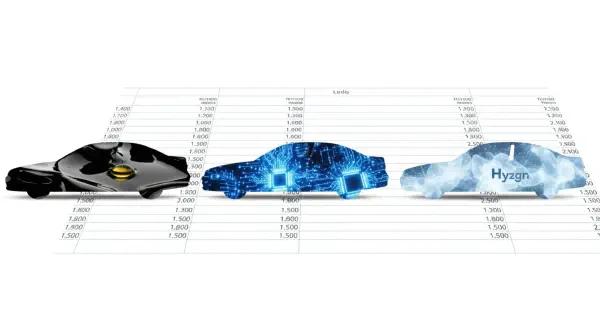
A three-part series conducting rigorous, comparative lifecycle assessments of gasoline, hybrid, battery-electric, and hydrogen fuel cell vehicles, exposing how accounting boundaries shape technological winners and losers.
Applies full lifecycle accounting to hydrogen fuel cell vehicles, exposing the profound efficiency penalties and carbon leakage of different hydrogen production pathways.
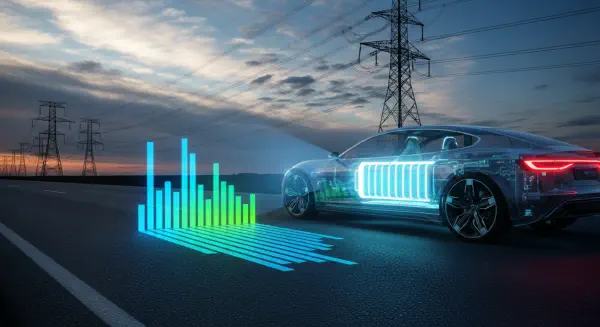
Performs a sensitivity analysis on EV lifecycle emissions, quantifying how variables like grid cleanliness, battery chemistry, and driving patterns dramatically alter the break-even point versus conventional vehicles.
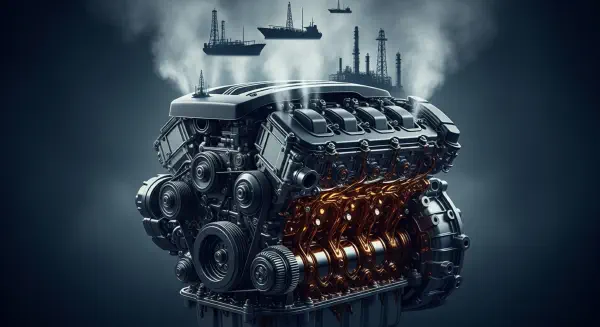
Deconstructs the complete cradle-to-grave carbon and energetic cost of the internal combustion engine, revealing the hidden burdens of refining, distribution, and deferred maintenance emissions.
A three-part forensic series exposing how lifecycle assessment is not neutral science but a contested political arena, where methodological choices determine winners, hide impacts, and shape trillion-dollar transitions.
Conducts a post-mortem on the diesel scandal, showing how optimizing for one accounted metric (CO₂) while ignoring unaccounted others (NOₓ) engineered a public health catastrophe.
Deconstructs the controversial economic models behind the Social Cost of Carbon, examining how a single, abstract number justifies inaction or triggers radical policy.
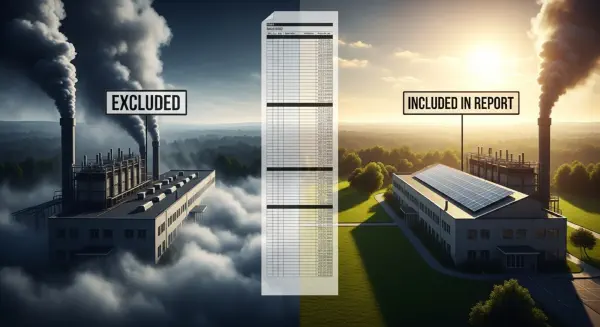
Reveals how the deliberate selection of system boundaries in environmental accounting allows corporations and nations to offshore emissions and claim false progress.