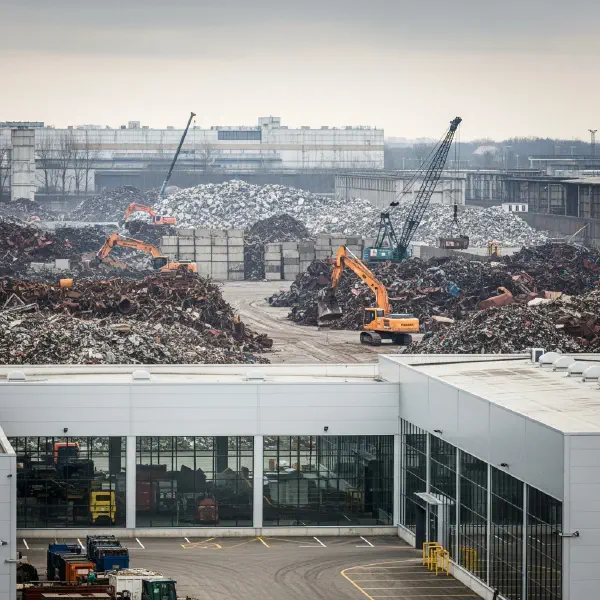
Concluding the series with a vision of design's future role in addressing global challenges through sustainable, situated, and socially responsible approaches.
Tracing how the Bauhaus masters dispersed across the globe after the school's dissolution, spreading the International Style and its modernist principles worldwide.
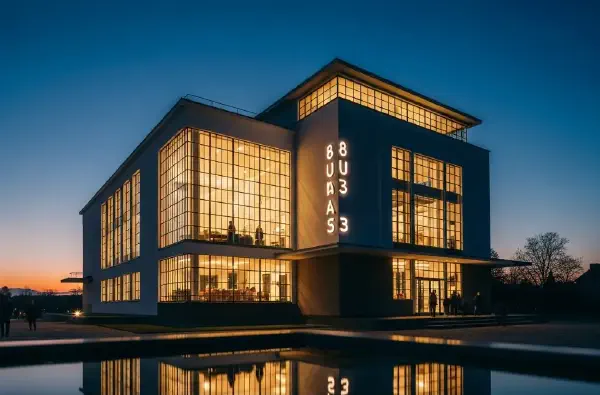
Examining how the Bauhaus transformed into a university of design in Dessau, prioritizing industrial prototypes and mass production while grappling with political pressures.
A comprehensive exploration of how the Bauhaus movement transformed design, from its revolutionary Weimar origins through its global diaspora and lasting influence on digital age interfaces and sustainable futures.
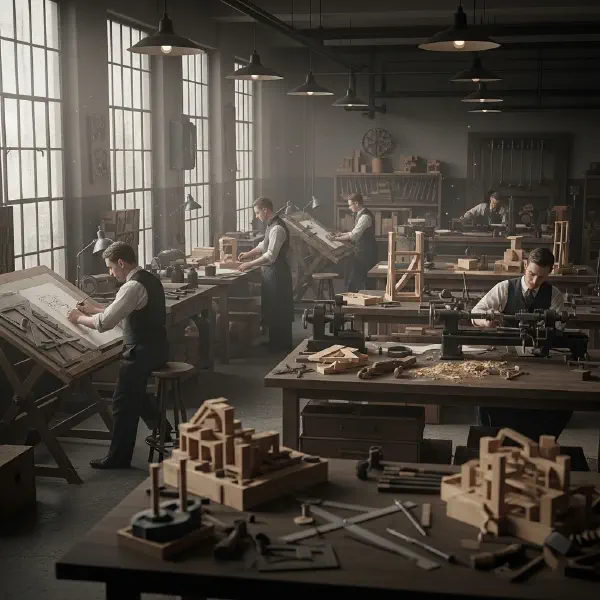
Exploring the revolutionary Weimar Bauhaus where Walter Gropius attempted to heal the divide between art and craft, establishing the foundation for modern design thinking.
A historical and economic exploration of how Bauhaus challenged growth-driven capitalism and why its principles are essential for sustainable design today.
Exploring how Bauhaus principles of durability and sufficiency directly threatened the growth-dependent capitalism that would come to dominate the 20th century.