Rhodes, R. (1986). The Making of the Atomic Bomb. Simon & Schuster.
Buderi, R. (1996). The Invention That Changed the World: How a Small Group of Radar Pioneers Won the Second World War and Launched a Technological Revolution. Simon & Schuster.
Lax, E. (2004). The Mold in Dr. Florey's Coat: The Story of the Penicillin Miracle. Henry Holt and Company.
Jones, R. V. (1978). Most Secret War: British Scientific Intelligence, 1939-1945. Hamish Hamilton.
Gimbel, J. (1990). Science, Technology, and Reparations: Exploitation and Plunder in Postwar Germany. Stanford University Press.
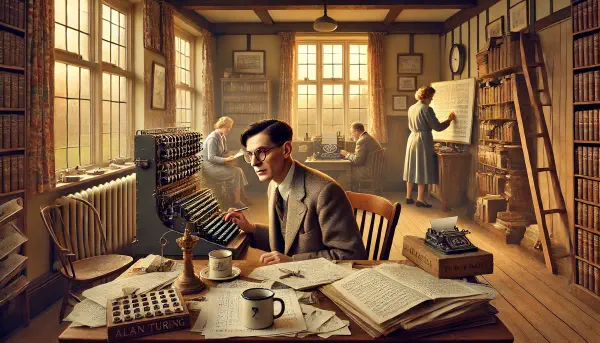
The people who broke Enigma weren't conventional military intelligence officers. They were mathematicians, linguists, and crossword puzzle champions—people too strange for normal work but perfect for impossible problems. Bletchley Park's greatest secret wasn't the codes they broke; it was the unconventional minds they trusted.
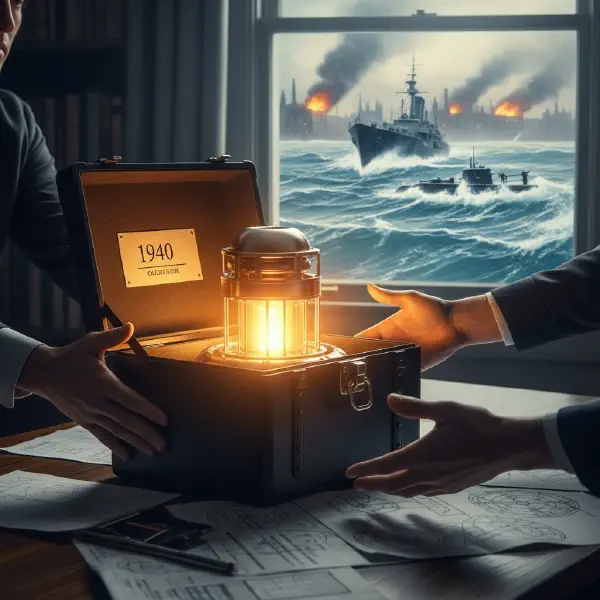
In September 1940, with invasion imminent, Britain gave away its most advanced military secrets to America. It was an act of desperation that changed history—and revealed what trust between nations can accomplish under pressure.
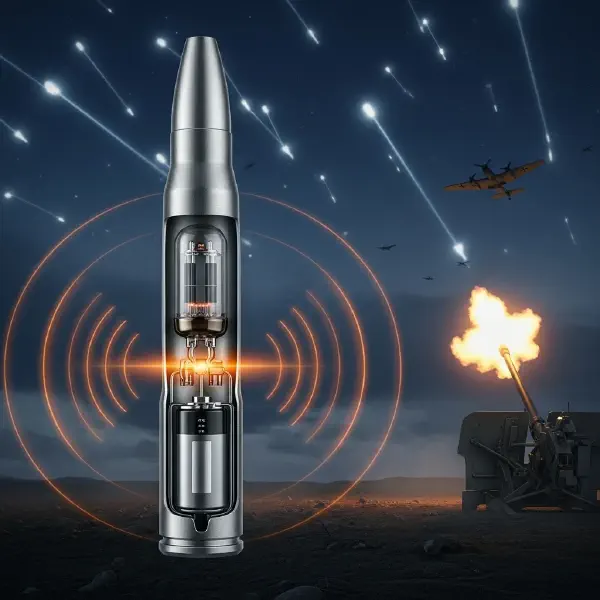
Before the proximity fuze, anti-aircraft shells had to score direct hits on fast-moving planes. After it, they just had to get close. This tiny radio device may have killed more enemy aircraft than any other weapon—and it was kept so secret that soldiers weren't told how it worked.
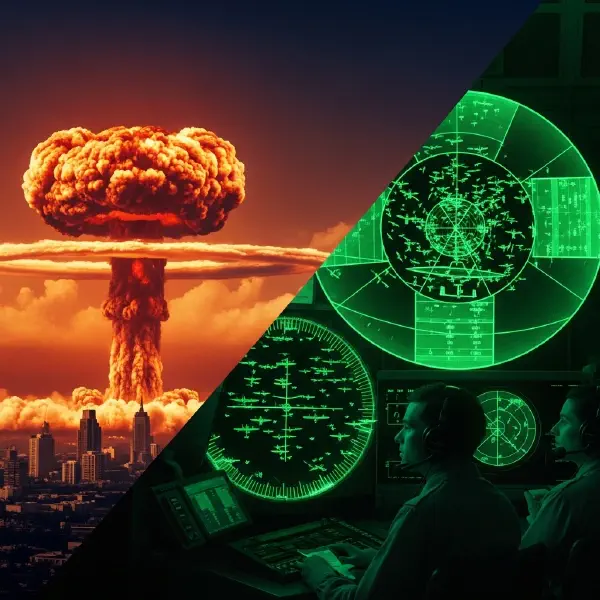
The atomic bomb ended World War II. But radar won it. The invisible technology that changed everything about warfare—from the Battle of Britain to submarine hunting—deserves more credit than history gives it.
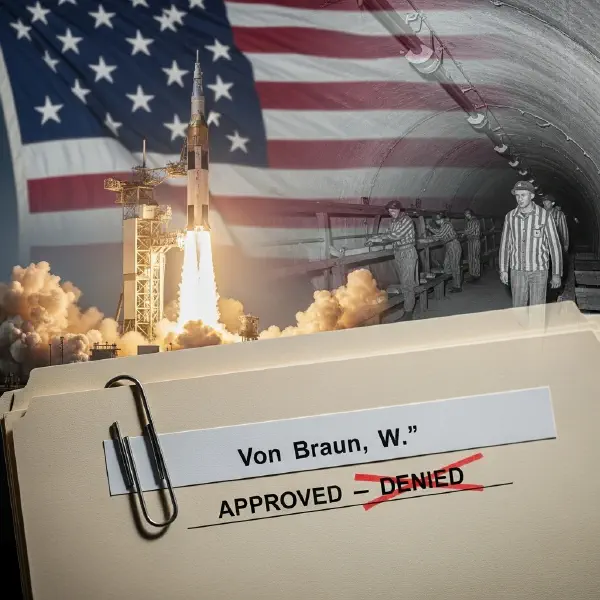
The uncomfortable truth about America's space program: it was built by men who designed weapons for Hitler. Operation Paperclip recruited Nazi scientists to win the Cold War—and buried their pasts. Was it justified? The answer is more disturbing than the question.
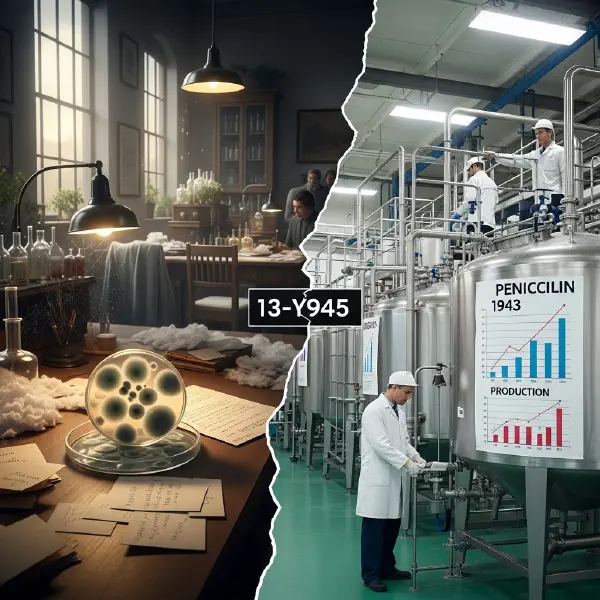
Alexander Fleming discovered penicillin in 1928, but it took a world war and American industrial might to make it matter. The story of how scientific ego, institutional inertia, and peacetime complacency nearly let the greatest medical discovery of the century die in a petri dish.
The untold story of scientists who faced history's most consequential choice: build the ultimate weapon for a genocidal regime, or find ways to fail. Heisenberg's mysterious 'miscalculations' and the scientists who chose conscience over career.
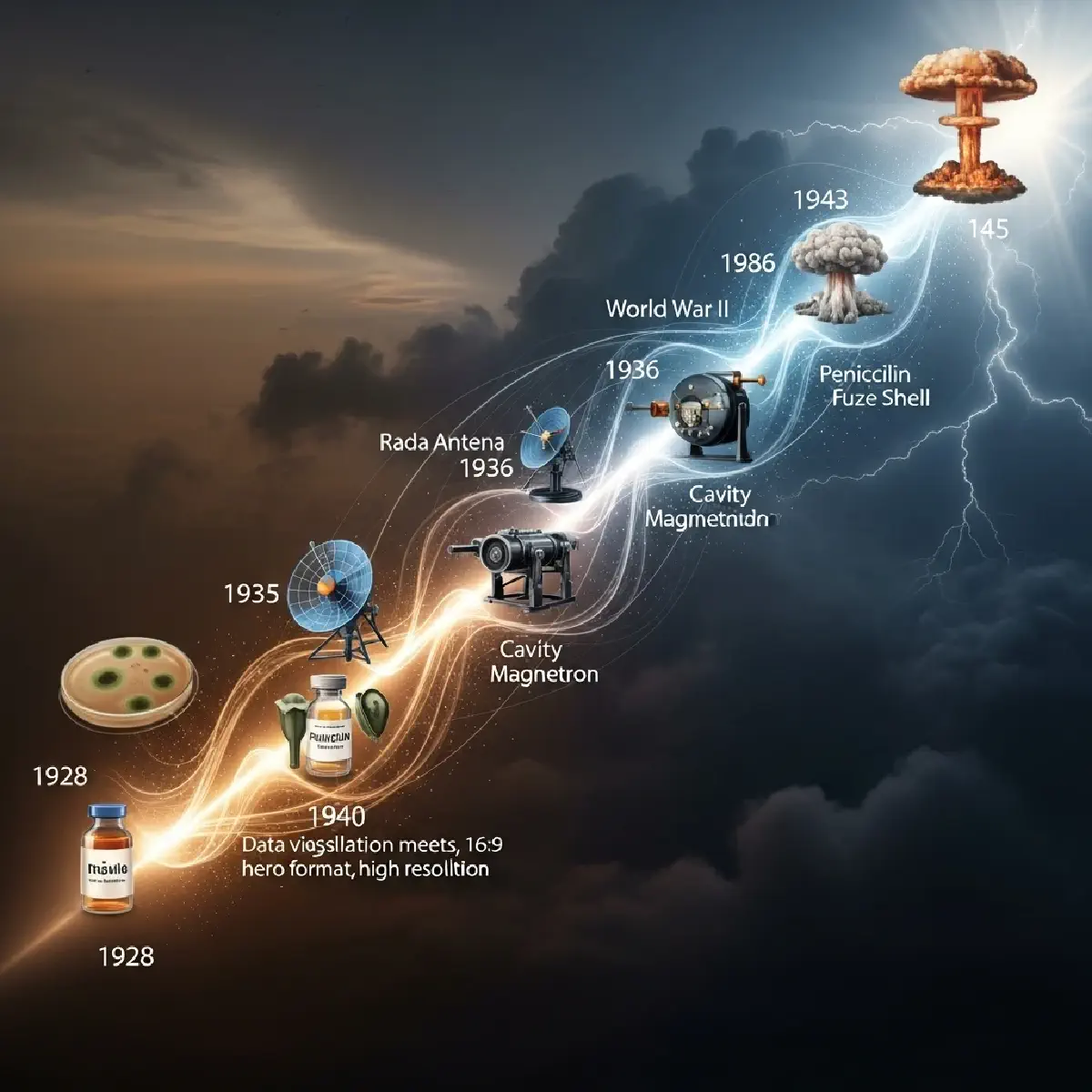
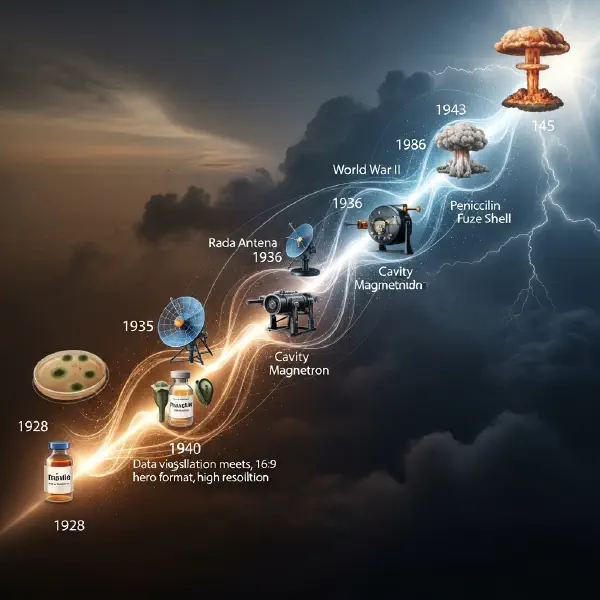
A visual timeline showing how key WWII technologies developed, intersected, and determined the outcome of the war. From penicillin's 13-year delay to the Tizard Mission's desperate gamble.