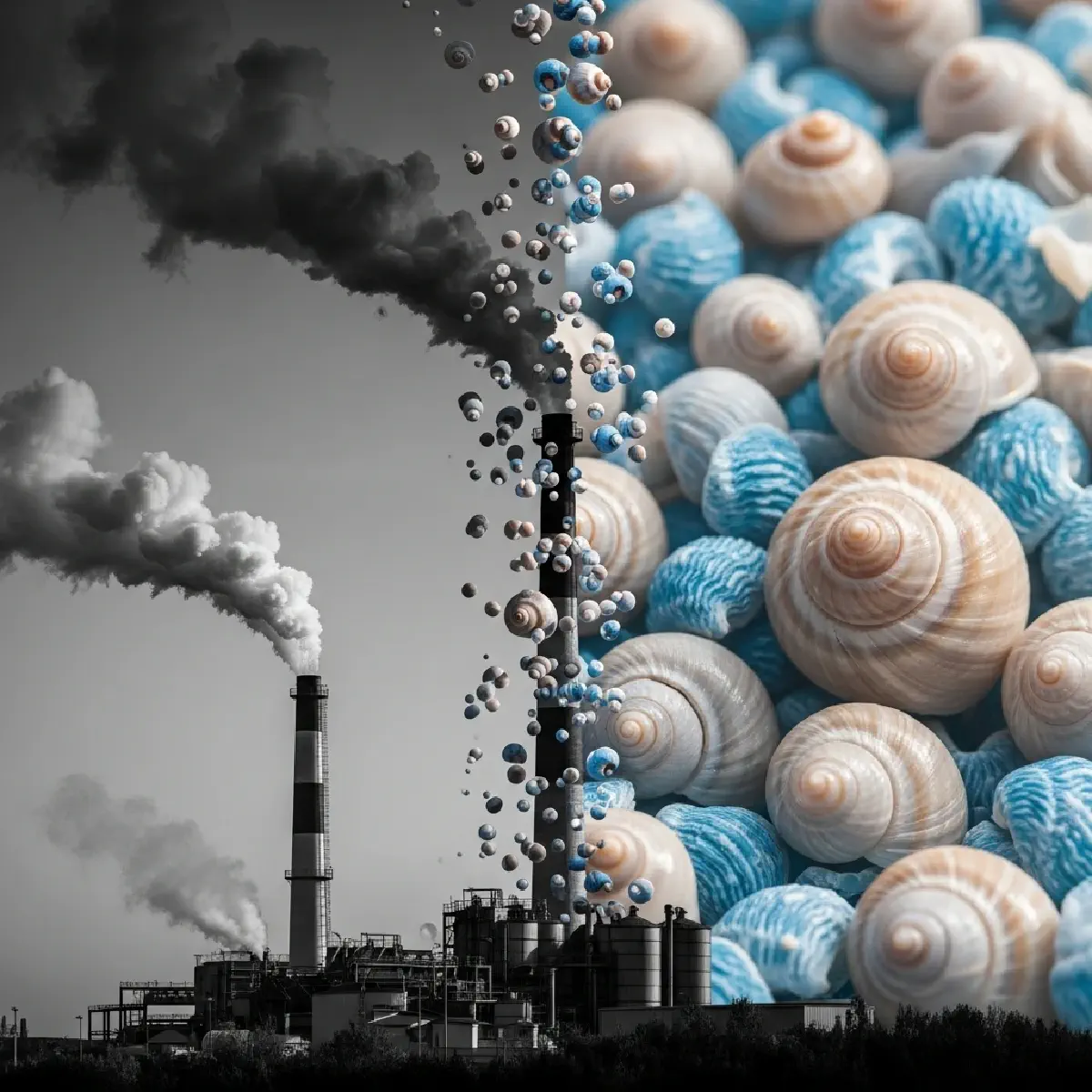
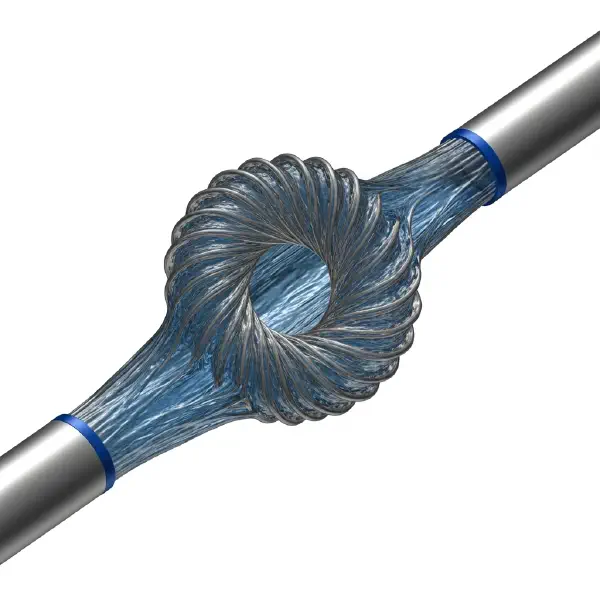
Nature has evolved highly efficient, sustainable systems over billions of years, providing a rich source of inspiration for human innovation through biomimicry.
Biomimicry involves emulating nature’s strategies to solve human challenges in design, engineering, and business, leading to more sustainable and resilient solutions.
Adopting biomimetic principles can help transition the global economy from a linear, extractive model to a circular, regenerative one that aligns with natural ecosystems.
Businesses that integrate biomimicry into their practices can achieve competitive advantages, including reduced resource consumption, enhanced innovation, and improved brand reputation.
Policymakers and educators play a crucial role in promoting biomimicry by fostering interdisciplinary collaboration and integrating nature-inspired design into curricula and regulations.
Ambrose, S. H. (1998). Late Pleistocene human population bottlenecks, volcanic winter, and differentiation of modern humans. Journal of Human Evolution, 34, 623–651. https://doi.org/10.1006/jhev.1998.0219
Anderson, R. C. (2009). Confessions of a radical industrialist: Profits, people, purpose—Doing business by respecting the earth. McClelland & Stewart.
Anderson, R. C. (1998). Mid-course correction: Toward a sustainable enterprise: The Interface model. Peregrinzilla Press.
Benyus, J. M. (1997). Biomimicry: Innovation inspired by nature. William Morrow.
Fermanian Business & Economic Institute. (2011, October). Biomimicry and economics: The DaVinci Index [Conference presentation]. Point Loma Nazarene University, San Diego, CA, United States.
Fermanian Business & Economic Institute. (2010). Economic impact report: The global biomimicry effort. Point Loma Nazarene University.
Fish, F. E. (2006). The myth and reality of Gray’s paradox: Implication of dolphin drag reduction for technology. Bioinspiration & Biomimetics, 1(2), R17–R25. https://doi.org/10.1088/1748-3182/1/2/R01
Harman, J. (2013). The shark’s paintbrush: Biomimicry and how nature is inspiring innovation. White Cloud Press.
Harman, J. (2004, October 15). Designing the next golden age [Plenary address]. Bioneers Conference, San Rafael, CA, United States.
Triantafyllou, M. S., & Triantafyllou, G. S. (1995). An efficient swimming machine. Scientific American, 272(3), 64–70.
Warner, J. C., & Anastas, P. T. (1998). Green chemistry: Theory and practice. Oxford University Press.