Key Insights
# Engineering feats like the Seaway brought commerce but ecological ruin. Invasive species from ballast water devastated native ecosystems. Human interventions, from poisons to exotic introductions, created new problems. Protecting the Great Lakes requires ongoing battles against invasions and diversions. References
# Hodge, A. T. (2000). Roman Aqueducts & Water Supply . Duckworth. Smith, N. (1971). A History of Dams . Peter Davies. Goudie, A. (2005). The Human Impact on the Natural Environment . Blackwell. Scarborough, V. L. (2003). The Flow of Power: Ancient Water Systems and Landscapes . School of American Research Press. Wilkinson, T. J. (2013). Hydraulic Landscapes and Irrigation Systems of Vijayanagara . Orient Blackswan. All Analysis
Series
Single Posts
16 July 2020 · 1738 words · 9 mins
The ongoing threats to the Great Lakes from water diversions, climate change, and emerging genetic technologies.
15 July 2020 · 2283 words · 11 mins
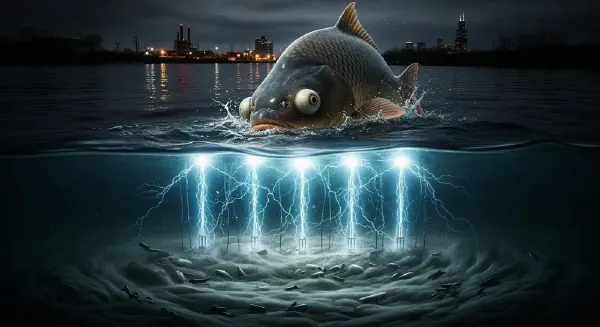
The threat of Asian carp invasion through the Chicago Canal and the billion-dollar efforts to prevent it.
14 July 2020 · 1851 words · 9 mins
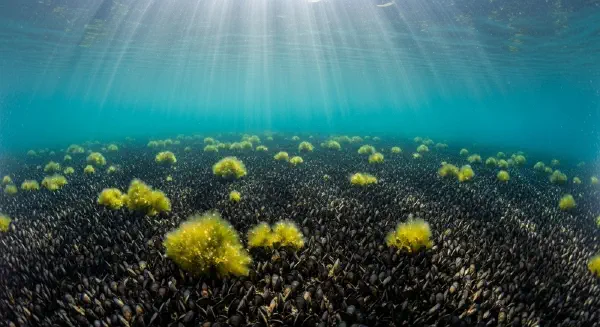
The devastating impact of zebra and quagga mussels on the Great Lakes food web, exacerbated by agricultural runoff.
13 July 2020 · 1988 words · 10 mins
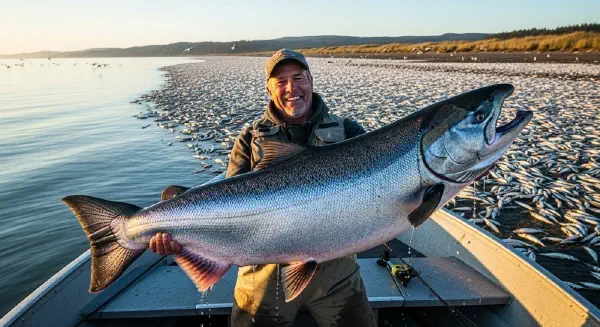
The introduction of Pacific salmon to control alewives, replacing native species and creating a sport fishing boom with unforeseen consequences.
12 July 2020 · 2316 words · 11 mins
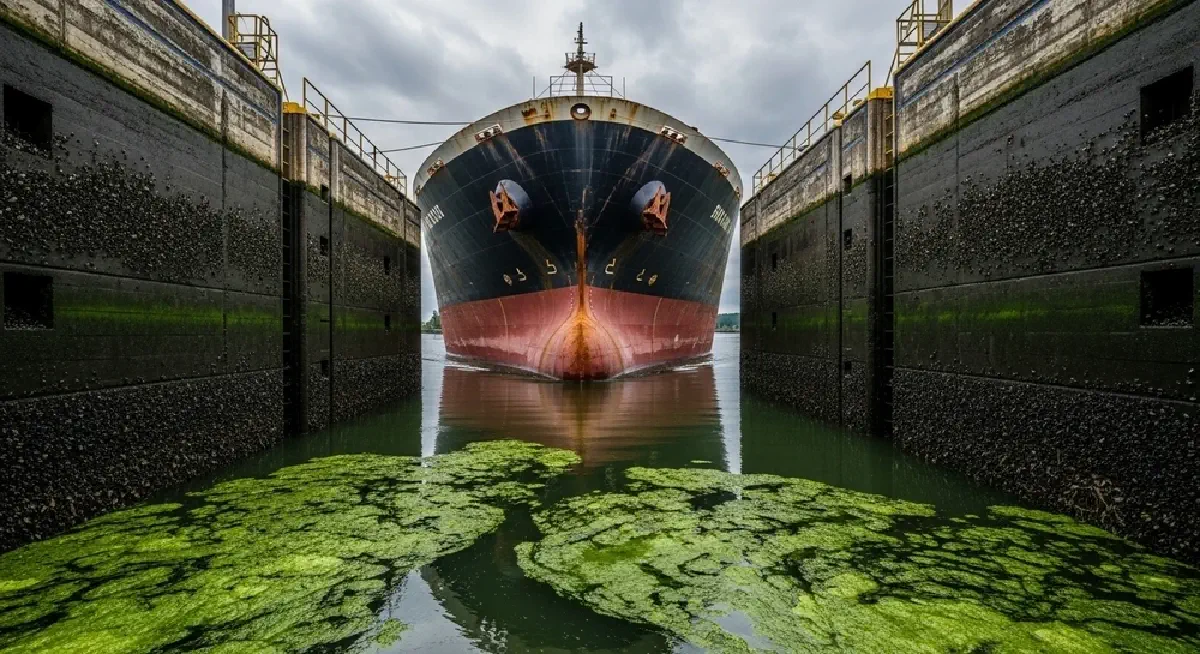
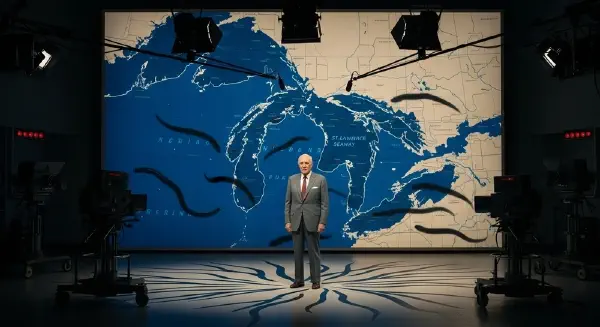
The construction of the St. Lawrence Seaway promised economic prosperity but unleashed ecological disaster through invasive species like sea lampreys and alewives.