The Oil That Sees the Wind#
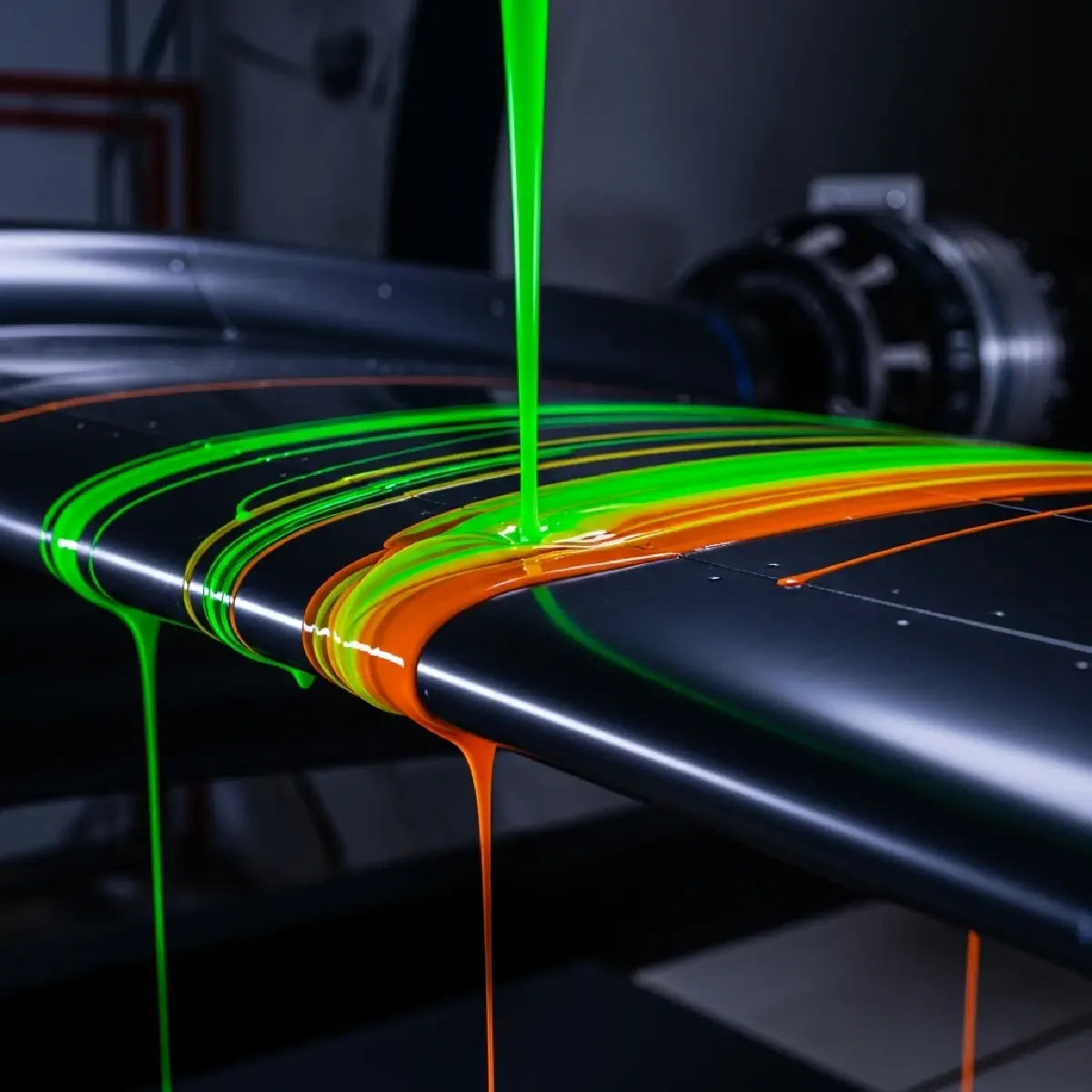
In the 14- by 22-foot (4.27- by 6.71-meter) Subsonic Wind Tunnel at NASA’s Langley Research Center, engineers spray fluorescent oil onto a 5.8% scale model of a futuristic hybrid wing body. As air rushes past, the glowing streaks reveal invisible flow patterns, turning abstract fluid dynamics into tangible data. This visual medium serves as a metaphor for the discipline that governs every launch and landing: Systems Engineering (SE). It is the methodical, multi-disciplinary approach that allows NASA to design, realize, and eventually retire some of the most complex machines in human history. Systems engineering is not merely a technical checklist; it is a way of looking at the “big picture” to ensure that the value added by the system as a whole exceeds the sum of its individual parts.
The Art of Opposing Interests#
At its core, NASA systems engineering is the art and science of developing an operable system capable of meeting requirements within often opposed constraints. It is a holistic discipline that evaluates the contributions of structural, electrical, and human factors engineers to produce a coherent whole. This approach prevents any single discipline from dominating the design at the expense of others, a balance essential for mission success. By looking at the system’s intended use environment over its planned life, the systems engineer ensures that the final product fulfills stakeholder expectations while navigating the relentless friction of cost and schedule.
The Recursive Heart of the Engine#
The foundation of this discipline rests upon the Systems Engineering Engine, a recursive cycle of 17 common technical processes. These processes are grouped into three distinct sets: system design, product realization, and technical management. The engine is not a linear path but a repetitive loop applied to each layer of the system structure. It drives the evolution of a project from a feasible concept in Pre-Phase A to a deployed system in Phase D. Each cycle of the engine increases the resolution of the design, ensuring that as a project moves from blueprints to hardware, it remains anchored to its original mission goals.
The Crucible of Human Integration#
A NASA system is rarely just hardware and software; it includes the facilities, personnel, and procedures needed to meet a specific need. Human Systems Integration (HSI) ensures that the human element is treated with the same engineering rigor as circuit boards or propellant tanks. Lessons from historical failures, such as those documented in the Columbia Accident Investigation Board (CAIB) report, emphasize the danger of neglecting systemic engineering infrastructure. Consequently, systems engineering must address and integrate hardware, software, and human elements equally to achieve true mission effectiveness. This integration begins in the earliest design phases, where the unique roles of humans and autonomous systems are first defined.
The Locked-In Cost of Early Decisions#
The consequences of early technical choices are staggering, as life-cycle costs are often “locked in” long before fabrication begins. Data indicates that while only 15% of total costs are expended during the design phase, that same phase commits 75% of the total life-cycle budget. If factors such as manufacture, test, and sustainment are ignored during the initial concept studies, they pose massive risks later in the project. Redesigning a component during the verification phase can cost 500 to 1,000 times more than if the issue were caught during the preliminary design stage. This creates the “Systems Engineer’s Dilemma,” where performance, cost, and risk are in constant, zero-sum tension.
The Geometry of Success#
Systems engineering provides the logical framework to navigate this dilemma, proving that success is determined by the relationship among the parts rather than the parts themselves. To reduce risk at a constant cost, one must inevitably sacrifice performance; conversely, reducing cost at a constant performance level requires accepting higher risks. This intricate dance of trade-offs ensures that the final product is a realized embodiment of stakeholder expectations. As NASA moves beyond the wind tunnels of Langley toward the stars, the SE Engine remains the primary driver of innovation. The discipline shifts from defining what is possible to proving what is true, ensuring that the legacy of discovery is protected by the rigors of engineering.