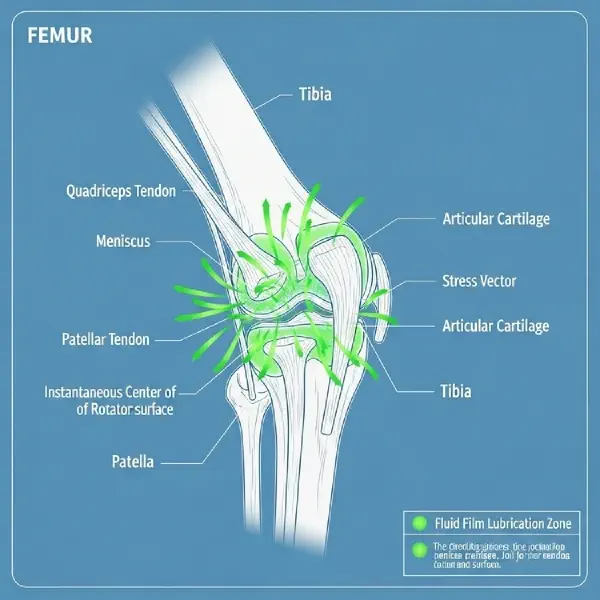
The human body can be viewed as a complex machine, with systems that can be analyzed,
optimized, and enhanced through engineering principles.
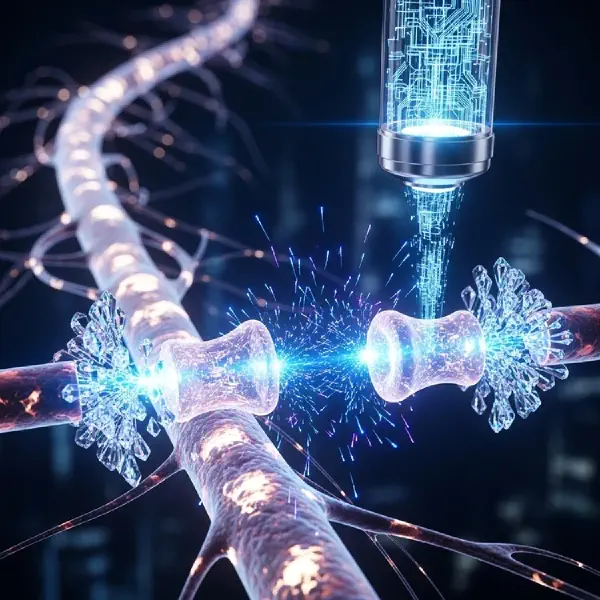
Advances in prosthetics and biomedical engineering are enabling the creation of
devices that integrate seamlessly with the human body, improving functionality and
quality of life.
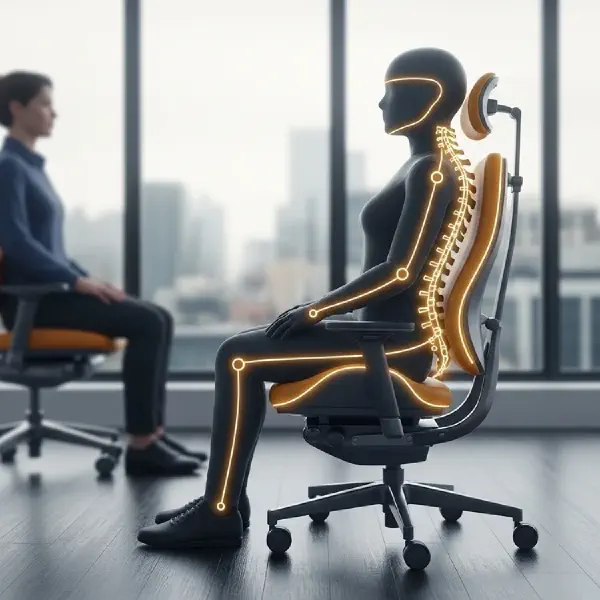
Ergonomic design, inspired by human biomechanics, can lead to improved tools, workspaces,
and technologies that enhance human performance and reduce injury.
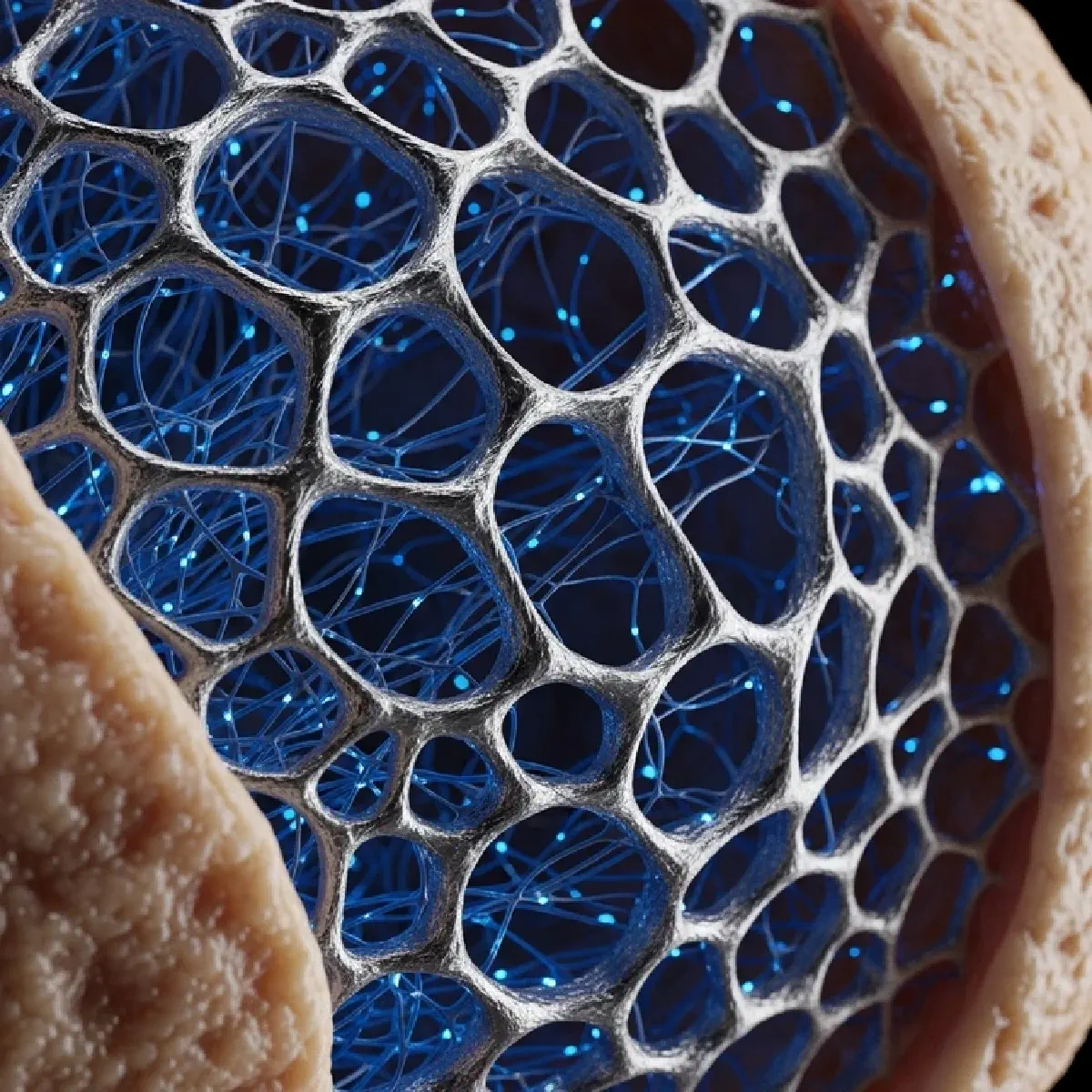
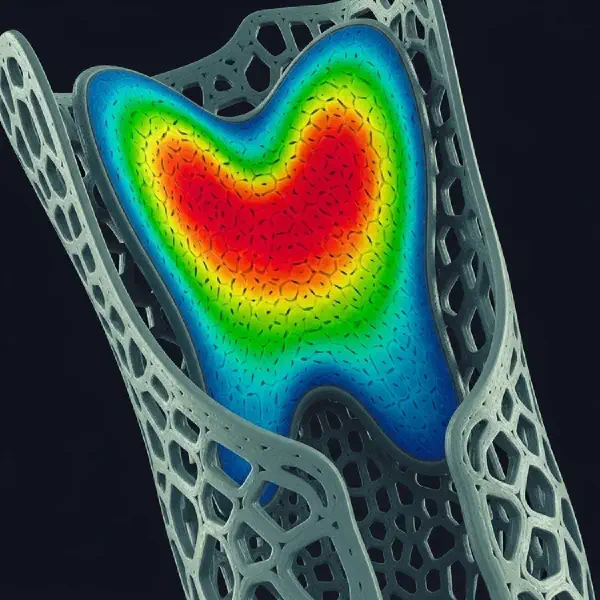
Biomimicry, the practice of drawing inspiration from biological systems, can lead to
innovative engineering solutions that are efficient, sustainable, and effective.
Hisham Ibrahim. (2025). Hisham Insights: Uncovering the Invisible Logic. hishaminsights.github.io.
Hisham Ibrahim. (2025). The Driver’s Mind: Psychology, Technology, and the Future of Human-Vehicle Interaction. Academic Press.
Kuiken, T. A., et al. (2009). Targeted Muscle Reinnervation for Real-time Myoelectric Control of Rapidly Reconfigured Limb Prostheses. The Lancet.
Meadows, D. H. (2008). Thinking in Systems: A Primer. Chelsea Green Publishing.
Ortiz-Catalan, M., et al. (2014). An Osseointegrated Human-Machine Gateway for Long-term Sensory Feedback and Control of Prostheses. Science Translational Medicine.
Smil, V. (2022). How the World Really Works: The Science Behind How We Got Here and Where We’re Going. Viking.
Winter, D. A. (2009). Biomechanics and Motor Control of Human Movement. John Wiley & Sons.
Wolff, J. (1892). Das Gesetz der Transformation der Knochen. Hirschwald.