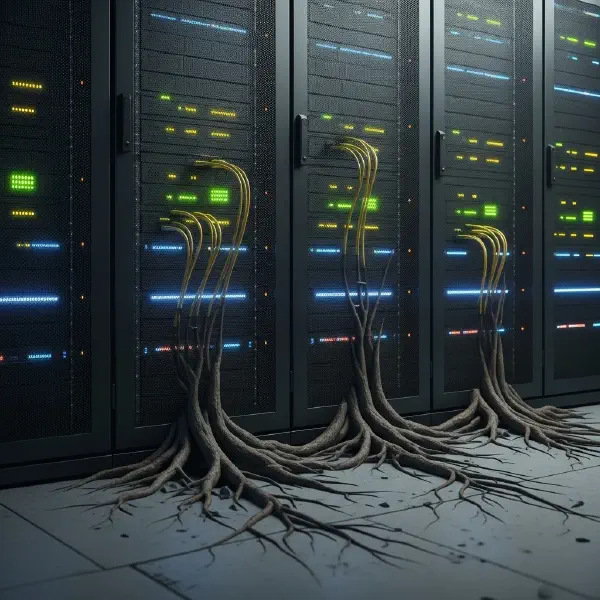
The evolution of global power has been fundamentally shaped by the development and control of networks—be they roads, maritime routes, telegraph lines, or digital infrastructures.
Each major leap in connectivity—from Roman roads to the internet—has redefined the spatial and temporal dimensions of human interaction, enabling unprecedented integration while also introducing new vulnerabilities.
The dual nature of networks is evident: they can both unify and fragment societies, centralize authority while empowering individuals, and create efficiencies while amplifying systemic risks.
Understanding the historical context of these networks provides critical insights into contemporary challenges, such as digital sovereignty, platform power, and the resilience of global supply chains.