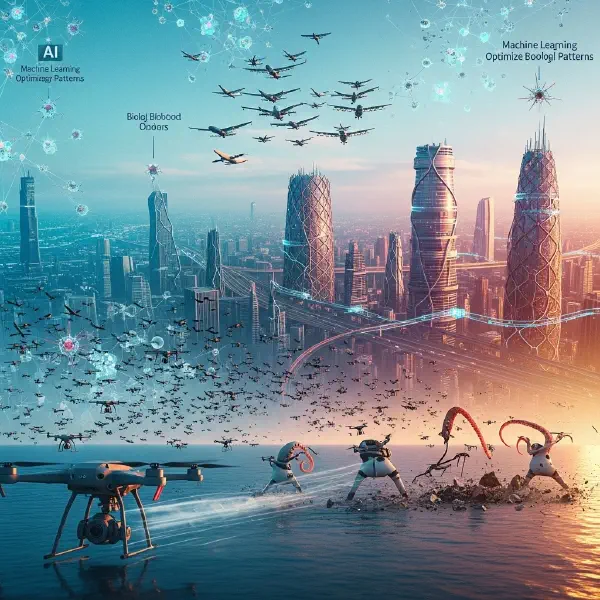
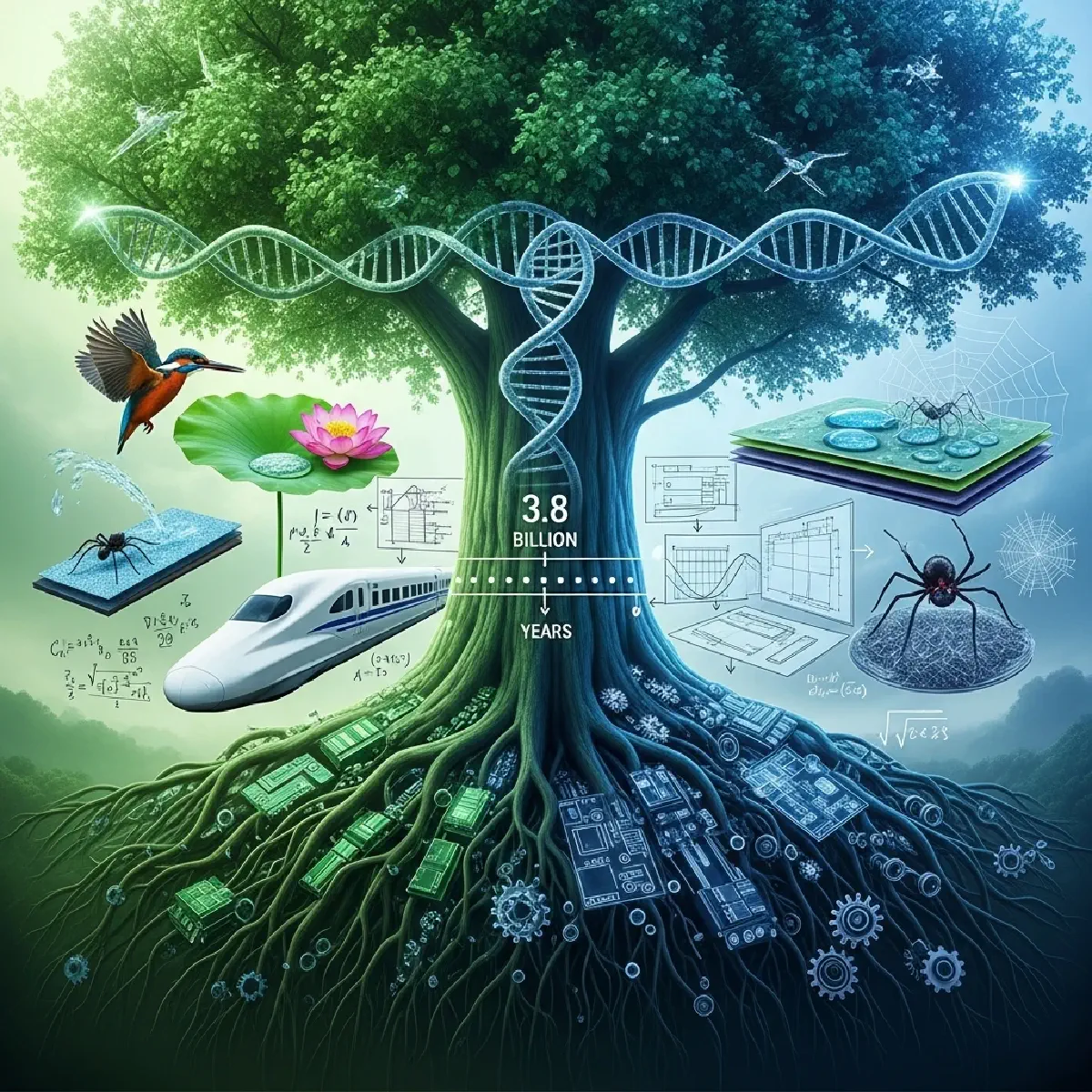
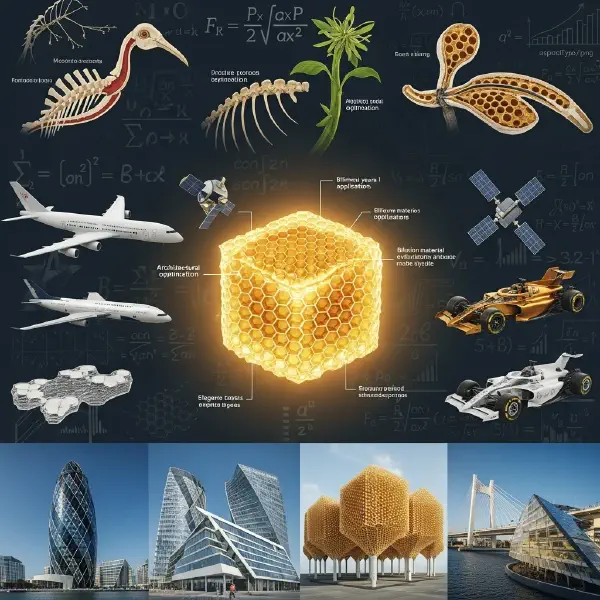
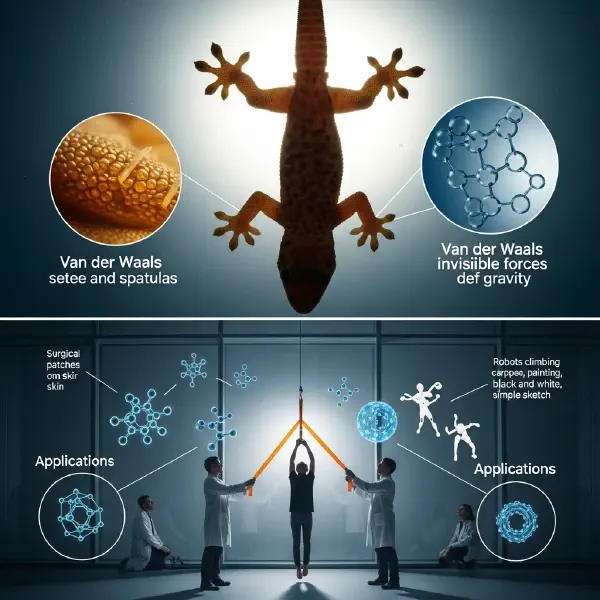
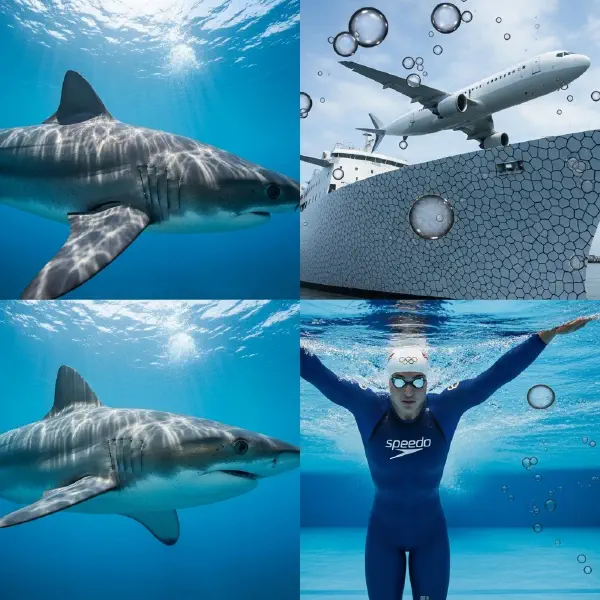
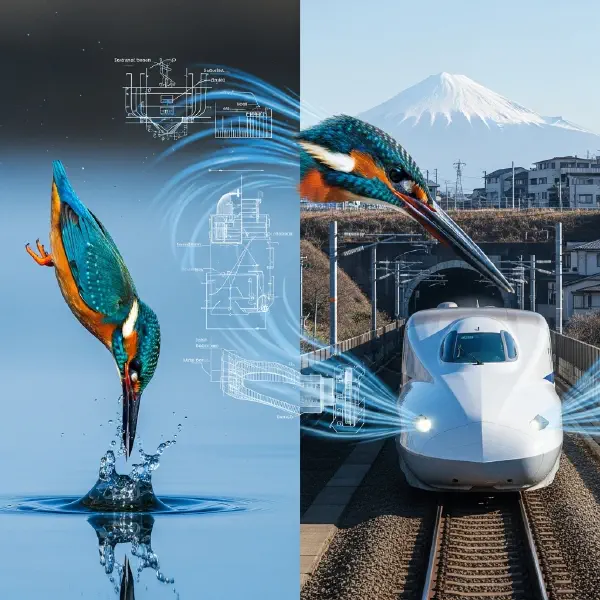
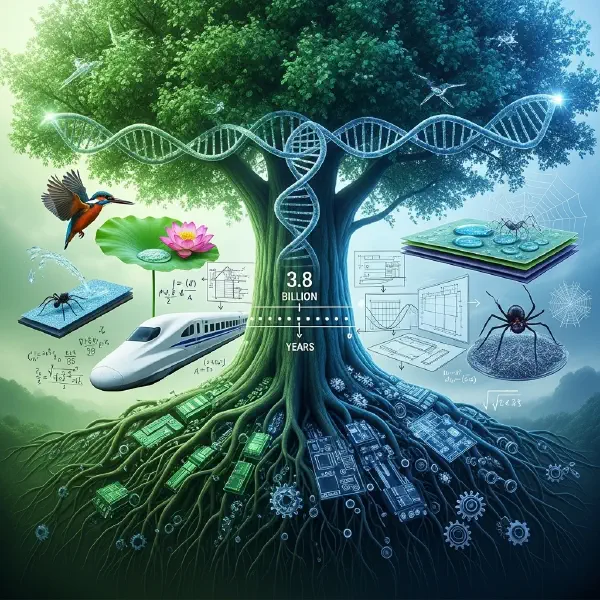
Nature has evolved a vast array of efficient and sustainable solutions over billions of years, which can inspire innovative engineering designs.
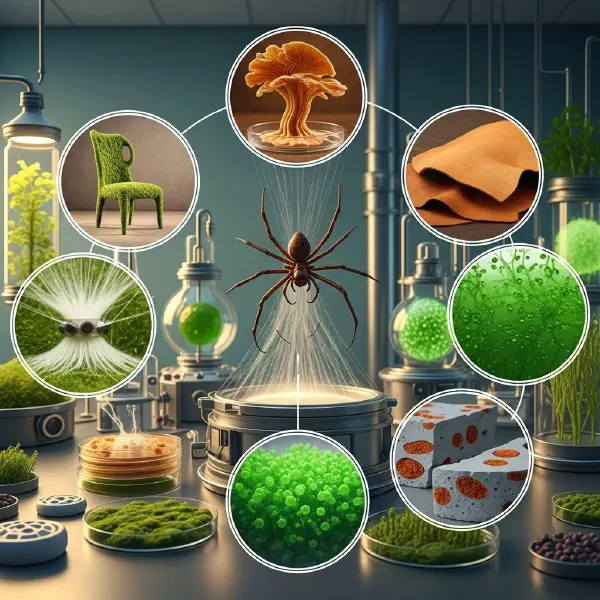
Biomimicry involves studying and emulating nature’s strategies to solve human challenges in fields such as architecture, transportation, and materials science.
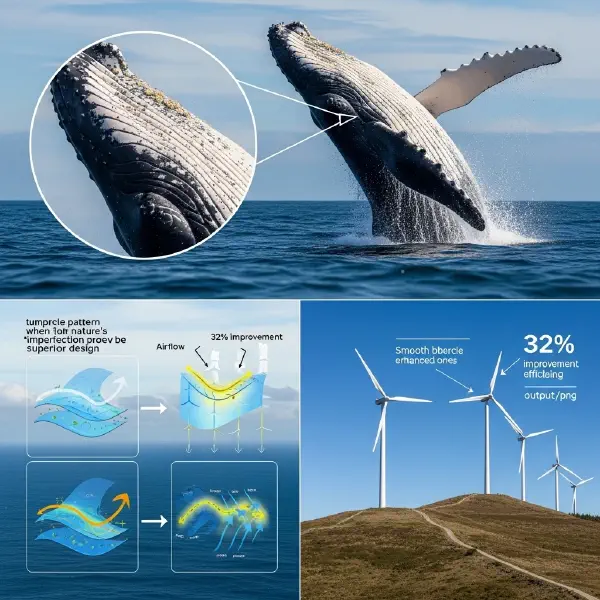
Examples of biomimicry include the design of bullet trains inspired by kingfishers, wind turbines modeled after whale fins, and self-cleaning surfaces based on lotus leaves.
By learning from nature, engineers can create more sustainable and efficient technologies that reduce environmental impact and enhance human well-being.
Benyus, J. M. (2002). Biomimicry: Innovation inspired by nature. Harper Perennial.
Vincent, J. F. V., Bogatyreva, O. A., Bogatyrev, N. R., Bowyer, A., & Pahl, A.-K. (2006). Biomimetics: Its practice and theory. Journal of the Royal Society Interface, 3(9), 471–482.
Bar-Cohen, Y. (Ed.). (2006). Biomimetics: Biologically inspired technologies. CRC Press.
Bhushan, B. (Ed.). (2013). Biomimetics: Biological materials, structures, and processes. Springer.
Kennedy, E. V., Fecheyr-Lippens, D., Tong, R., Turnbull, M. S., & Bhushan, B. (2015). Biomimicry: A review of recent developments in biomimetic materials, structures and processes. Bioinspiration & Biomimetics, 10(1), 011001.