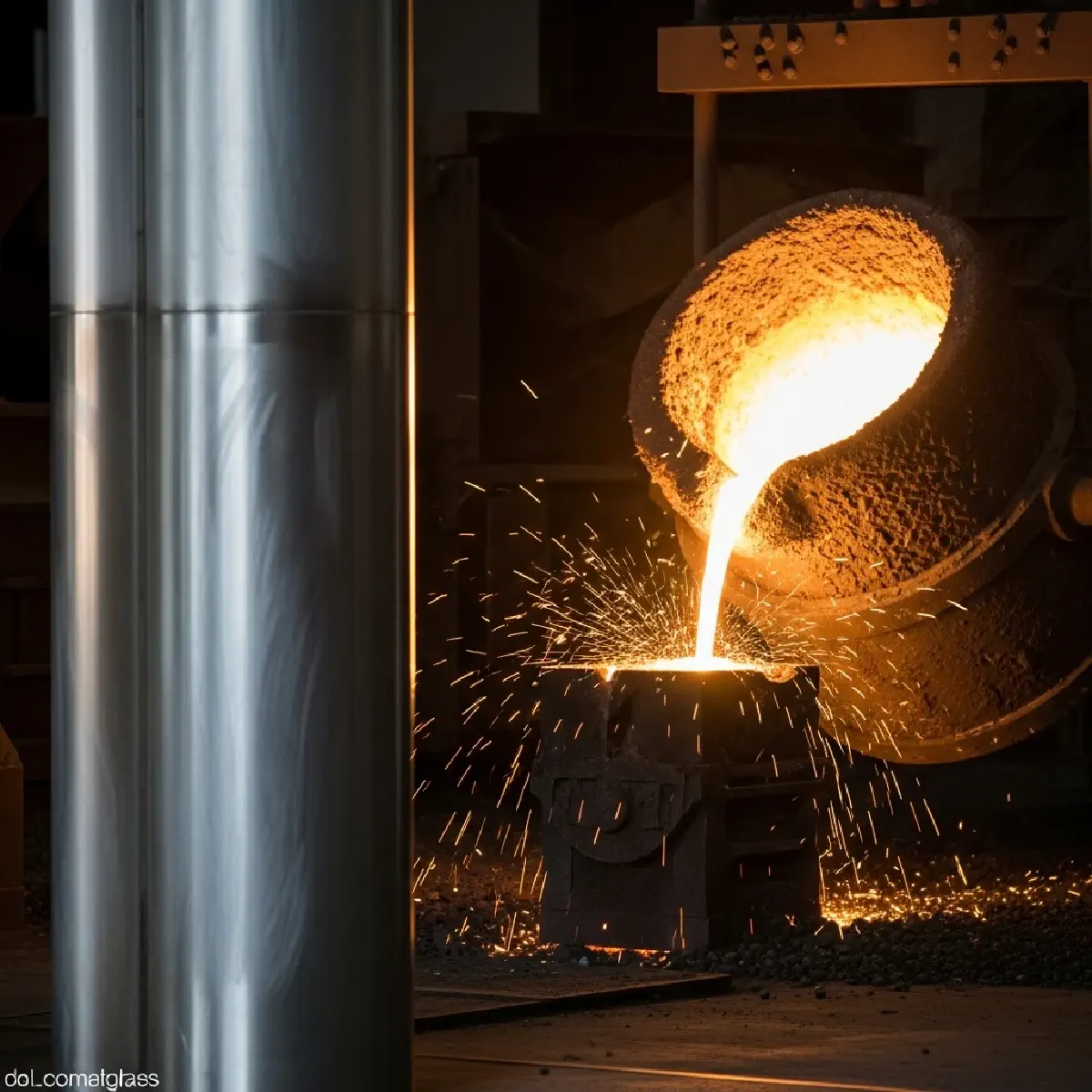
Modern civilization is built on a foundation of key materials—steel, cement, plastic, and silicon—that have enabled technological advancement and economic growth.
Each of these materials has a unique engineering logic that has shaped their development, applications, and performance characteristics.
The production and use of these materials have significant environmental impacts, including resource depletion, energy consumption, and pollution.
Sustainable alternatives and innovations in material science are essential to mitigate the environmental footprint of these materials.
A holistic understanding of the material mind is crucial for designing resilient and sustainable systems for the future.