Key Insights
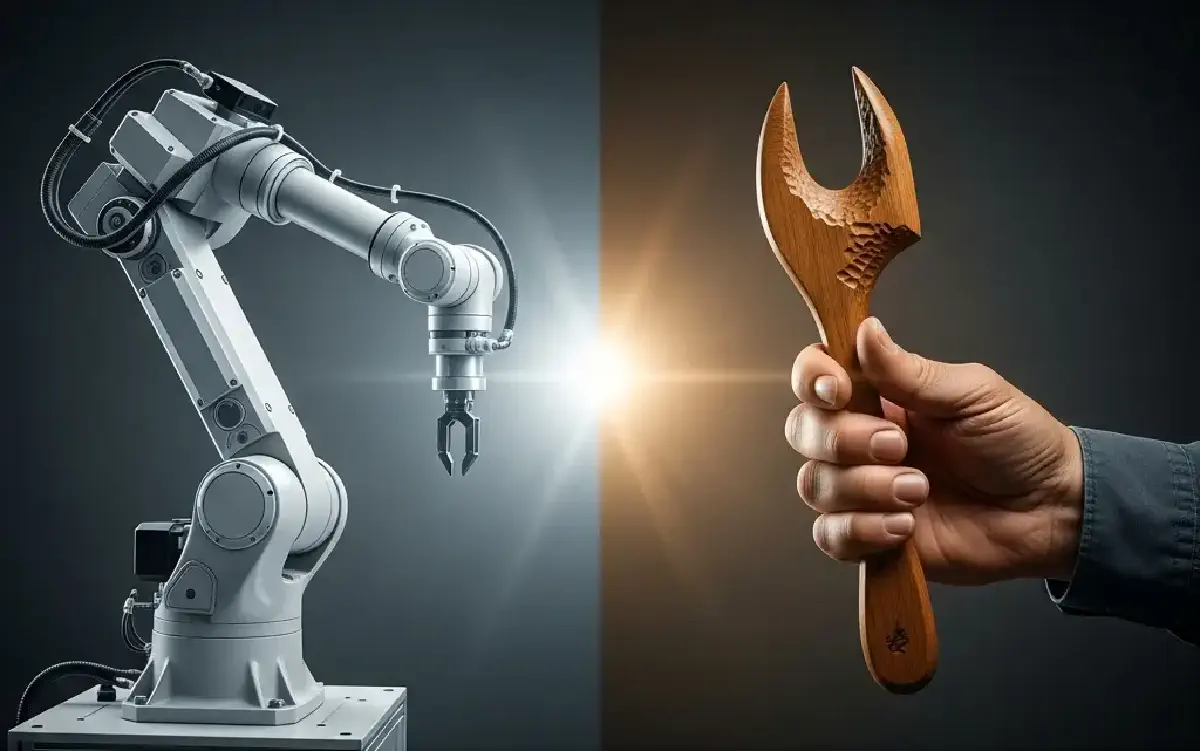
#- Engineering has drifted from its roots in human instinct and adaptability, becoming overly reliant on rigid systems and technologies.
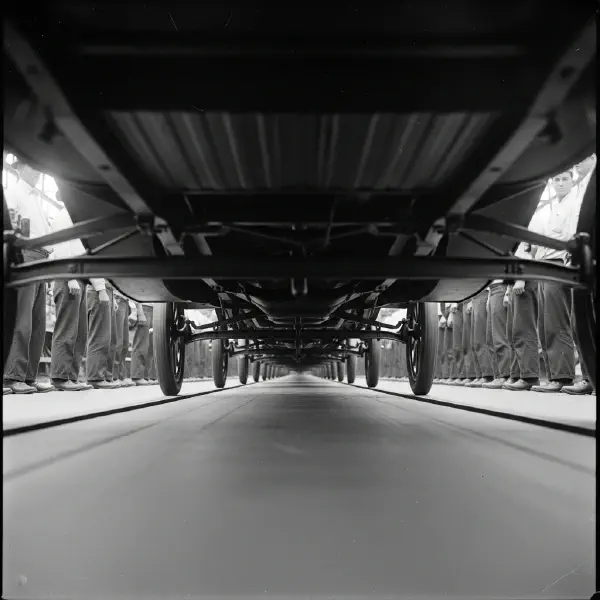
- The Industrial Revolution marked a shift towards mechanization and standardization, often at the expense of human-centric design.
- Modern challenges such as climate change and technological disruption demand a return to instinctive, flexible engineering approaches.
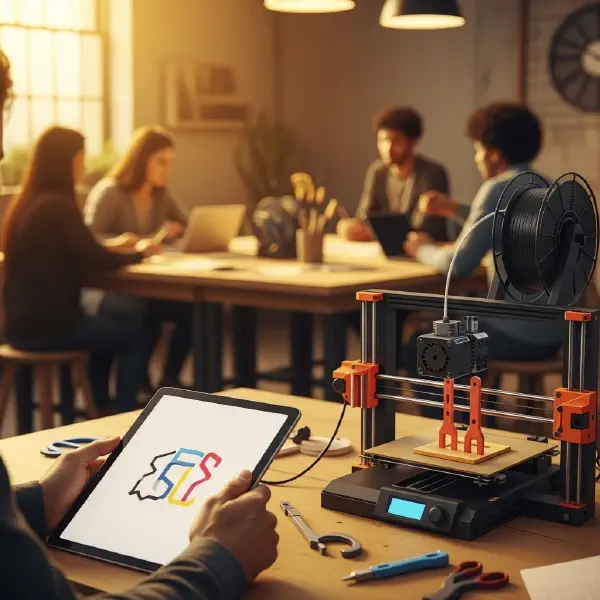
- Biomimicry and systems thinking offer pathways to reintegrate human intuition into engineering practices.
- Embracing uncertainty and adaptability can lead to more resilient and innovative engineering solutions.
References
#- Petroski, H. (1992). The Evolution of Useful Things. Vintage Books.
- Buchanan, R. (2001). Design Research and the New Learning. Design Issues, 17(4), 3-23.
- Norman, D. A. (2013). The Design of Everyday Things: Revised and Expanded Edition. Basic Books.
- Benyus, J. M. (1997). Biomimicry: Innovation Inspired by Nature. Harper Perennial.
- Papanek, V. (1985). Design for the Real World: Human Ecology and Social Change. Academy Chicago Publishers.
·730 words·4 mins
·782 words·4 mins
·742 words·4 mins
·771 words·4 mins
·870 words·5 mins